
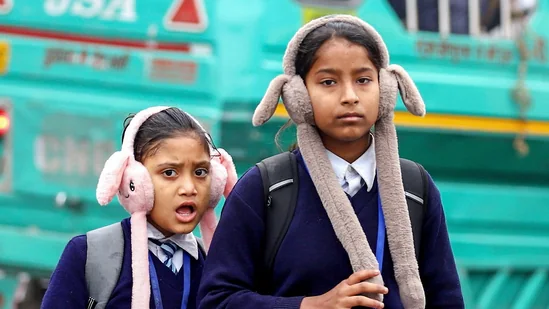

UP schools closed until January 1 has become a major concern for parents, students, and transport operators as a severe cold wave continues across the state. The decision affects government and private schools alike, with implications for academic schedules, daily commuting, and household planning.
This topic is time sensitive news reporting. The focus below is on immediate impact, verified developments, and practical implications for families in Uttar Pradesh.
Why Schools in Uttar Pradesh Have Been Closed
The Uttar Pradesh administration ordered school closures as minimum temperatures dropped sharply across multiple districts. Dense fog, cold winds, and near zero visibility during morning hours raised safety concerns for children commuting to schools.
Primary and upper primary schools are most affected, though in many districts higher classes have also been advised to shift to adjusted timings or online modes if required. The closure is a preventive measure aimed at reducing health risks such as respiratory infections, hypothermia symptoms, and seasonal illnesses common during cold waves.
Weather conditions are being monitored daily, and district magistrates have been given authority to extend closures if temperatures remain low beyond January 1.
Impact on Parents and Household Routines
The closure of schools has placed additional responsibility on parents, especially working families. Many parents now need to arrange daytime supervision for younger children, which disrupts office schedules and daily routines.
In Tier 2 and semi urban areas, where both parents often commute for work, sudden closures create logistical stress. Some families rely on schools not only for education but also for midday meals and structured care.
Parents are also concerned about increased screen time as children remain indoors. Limited outdoor activity due to cold weather further complicates maintaining healthy routines.
Households with board exam students are adjusting study plans to ensure learning continuity without classroom instruction.
Effect on School Transport and Local Commuting
School closures directly impact transport operators, including private vans, buses, and auto services that depend heavily on daily student travel. For many drivers, winter closures reduce income significantly.
Morning traffic congestion has eased slightly in urban centers, but fog related road safety risks remain. Reduced school traffic has not eliminated hazards caused by poor visibility, especially on highways and arterial roads.
Parents who usually drop children to school are also adjusting travel schedules, which affects peak hour commuting patterns in some areas.
Academic Schedule and Examination Concerns
One of the biggest concerns is the impact on academic calendars. December and early January are crucial months for syllabus completion, revision, and pre board assessments.
Schools are expected to revise teaching schedules once classes resume. Some institutions may extend school hours or adjust examination dates to compensate for lost days.
For classes preparing for board examinations, schools are likely to focus on revision rather than introducing new topics after reopening. Online assignments and recorded lectures are being used selectively, though access remains uneven in rural and semi urban areas.
Education officials have indicated that learning loss will be addressed through revised planning rather than exam cancellations.
Health Risks Driving the Decision
Cold wave conditions pose genuine health risks, particularly to children. Exposure to extreme cold during early morning hours can worsen asthma, bronchitis, and seasonal infections.
Fog reduces visibility to dangerous levels, increasing the risk of road accidents involving school buses, cycles, and pedestrians. Younger children are especially vulnerable due to lower immunity and difficulty regulating body temperature.
Medical professionals have consistently advised limiting outdoor exposure during severe cold spells, reinforcing the rationale behind school closures.
What Parents Should Do During the Closure
Parents are advised to keep children indoors during early mornings and late evenings. Warm clothing, adequate nutrition, and hydration are essential during cold weather.
Maintaining a basic study routine at home helps children stay academically engaged without stress. Light revision, reading, and practice work are sufficient during short closures.
Avoid unnecessary travel during foggy hours. If children must step outside, ensure they are properly layered and visible to traffic.
Parents should stay alert for official updates from district authorities regarding reopening dates or further extensions.
Likelihood of Extension Beyond January 1
Whether UP schools closed until January 1 will reopen as scheduled depends entirely on weather conditions. If cold wave intensity reduces and visibility improves, schools may resume operations with modified timings.
However, extended cold spells in previous years have led to further closures, especially for lower classes. Authorities typically announce extensions on short notice based on meteorological inputs.
Parents should prepare for flexibility rather than fixed reopening assumptions.
Takeaways
UP schools closed until January 1 due to severe cold and fog conditions
Parents face childcare and routine management challenges
Transport operators and academic schedules are directly affected
Reopening depends on weather improvement and district level decisions
FAQs
Which classes are affected by the school closure
Primarily primary and upper primary classes, though some districts include higher classes based on conditions.
Will exams be postponed due to the closure
Schools are expected to adjust schedules, but major exams are unlikely to be cancelled.
Are online classes mandatory during this period
Online learning may be used selectively, but it is not uniformly mandatory across the state.
Can schools reopen before January 1
Yes, if weather conditions improve significantly, district authorities may revise the decision.