
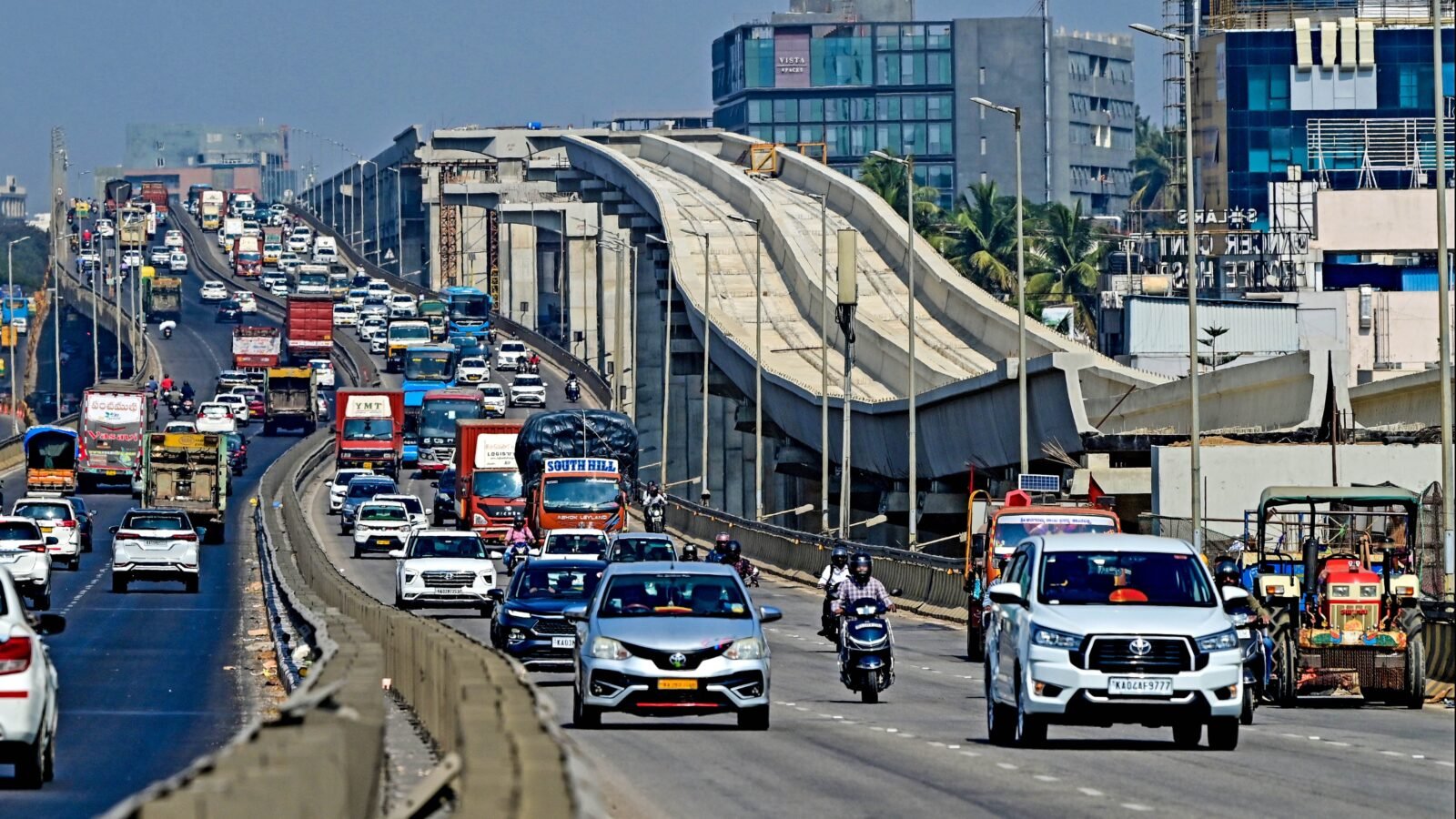

The small city infrastructure push after Union Budget 2026 is set to accelerate development across Tier-2 and Tier-3 regions. With increased allocations for urban transport, housing, and digital connectivity, the budget signals a shift towards more balanced regional growth in India.
What the Union Budget 2026 Focus Means for Smaller Cities
The small city infrastructure push after Union Budget 2026 reflects a policy shift to strengthen non-metro regions. The Ministry of Finance has emphasised inclusive growth by expanding infrastructure funding beyond major metros.
Budget allocations highlight urban development programs, logistics upgrades, and housing initiatives that directly impact smaller cities. This includes improvements in road connectivity, public transport systems, and basic civic infrastructure.
The goal is to reduce regional disparities and create self-sustaining urban centres that can support economic activity without overdependence on metro cities.
Expansion of Transport and Connectivity Networks
Transport infrastructure remains a key focus area in the 2026 budget. Expansion of highways, regional rail networks, and new airport projects are expected to improve connectivity for Tier-2 cities.
Better connectivity reduces travel time, lowers logistics costs, and improves access to markets. This is particularly important for industries such as manufacturing, agriculture, and e-commerce.
Improved transport systems also make smaller cities more attractive for businesses and investors. Enhanced mobility supports both economic growth and quality of life.
These developments are expected to create new economic corridors across regions.
Urban Development and Housing Initiatives
Housing and urban infrastructure are central to the small city infrastructure push. Government schemes continue to focus on affordable housing and planned urban expansion.
Programs linked to Pradhan Mantri Awas Yojana aim to increase housing availability in smaller cities. This helps accommodate growing populations and supports migration from rural areas.
Urban planning initiatives also focus on improving water supply, sanitation, and waste management systems. These upgrades are essential for sustainable city growth.
Better living conditions attract both residents and businesses, strengthening local economies.
Boost to Digital Infrastructure and Smart City Projects
Digital infrastructure is a critical component of the budget’s vision. Expansion of broadband connectivity and digital services is enabling smaller cities to participate in the digital economy.
Smart city projects are being extended to improve governance, public services, and infrastructure management. Technologies such as smart traffic systems and digital public services are being implemented.
Improved digital access supports sectors like education, healthcare, and e-commerce. It also encourages entrepreneurship and remote work opportunities.
Digital transformation is bridging the gap between metro and non-metro regions.
Impact on Local Businesses and Employment Opportunities
Infrastructure development has a direct impact on local businesses. Improved roads, transport, and digital connectivity create a better environment for trade and services.
Small and medium enterprises benefit from easier access to markets and reduced operational costs. This leads to increased business activity and job creation.
The construction and infrastructure sectors themselves generate employment during project implementation. Over time, improved infrastructure supports long-term economic stability.
This growth is expected to strengthen regional economies and reduce migration to metros.
Role of State Governments and Implementation Challenges
While the Union Budget sets the direction, implementation depends heavily on state governments. Coordination between central and state authorities is essential for project execution.
Challenges such as land acquisition, funding allocation, and project delays can affect outcomes. Ensuring transparency and efficiency in implementation is critical.
Capacity building at the local level is also important. Municipal bodies need resources and expertise to manage infrastructure projects effectively.
Addressing these challenges will determine the success of the infrastructure push.
Long-Term Impact on India’s Urban Growth Pattern
The focus on smaller cities is expected to reshape India’s urban growth pattern. Instead of concentrated development in metros, growth will be distributed across multiple regions.
This reduces pressure on large cities while improving opportunities in smaller ones. Balanced development also supports social and economic stability.
Tier-2 cities are likely to become key centres for business, education, and innovation in the coming years.
The infrastructure push is a step towards a more decentralised and sustainable urban future.
Takeaways
• Union Budget 2026 prioritises infrastructure development in small cities
• Improved transport and connectivity will boost regional economies
• Housing and digital infrastructure are key focus areas
• Effective implementation is crucial for long-term impact
FAQs
What is the focus of Union Budget 2026 for small cities?
The budget emphasises infrastructure, housing, connectivity, and digital development in Tier-2 and Tier-3 cities.
How will infrastructure development benefit local businesses?
Better connectivity and services reduce costs and improve access to markets, boosting business growth.
Are there challenges in implementing these projects?
Yes, issues like land acquisition and coordination between authorities can affect execution.
What is the long-term impact of this infrastructure push?
It is expected to create balanced regional growth and reduce dependence on metro cities.