
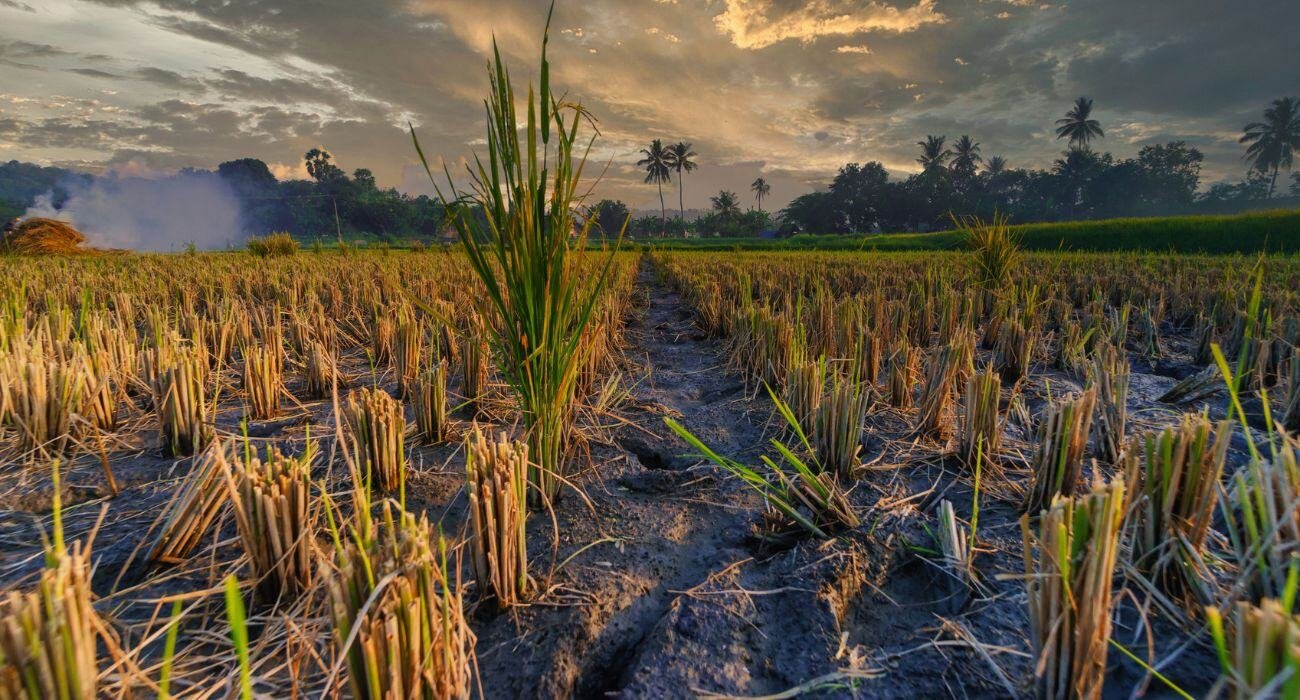

Rising temperatures in central India are significantly affecting agriculture, altering crop patterns, reducing yields, and increasing risks for farmers. With frequent heatwaves and unpredictable weather, the agricultural sector in states like Madhya Pradesh, Maharashtra, and Chhattisgarh is facing growing challenges.
Rising Temperatures and Changing Climate Patterns in Central India
The impact of rising temperatures on agriculture in central India is closely linked to shifting climate patterns. Data and advisories from the India Meteorological Department indicate more frequent heatwaves and delayed monsoon cycles in recent years.
Regions that once experienced stable seasonal cycles are now witnessing irregular rainfall and extended dry periods. This affects sowing and harvesting schedules, making farming less predictable.
Temperature increases of even 1 to 2 degrees Celsius during critical growth stages can reduce crop productivity, especially for heat-sensitive crops.
These changes are forcing farmers to rethink traditional agricultural practices.
Effects on Crop Yield and Productivity
High temperatures directly impact crop yield by affecting plant growth and soil moisture. Crops such as wheat, pulses, and vegetables are particularly vulnerable to heat stress.
During extreme heat, plants lose water rapidly through transpiration, leading to wilting and reduced grain formation. This results in lower yields and poorer crop quality.
In central India, wheat production is often affected when temperatures rise during the grain-filling stage. Even short periods of extreme heat can cause significant losses.
Farmers are increasingly facing uncertainty in production, which affects both income and food supply.
Water Scarcity and Irrigation Challenges
Rising temperatures increase evaporation rates, reducing water availability for irrigation. Reservoirs, rivers, and groundwater sources are under pressure during prolonged dry spells.
Many farmers in central India rely on rain-fed agriculture, making them more vulnerable to temperature changes. Delayed or weak monsoons further worsen water scarcity.
Irrigation systems such as canals and borewells are also affected by declining water levels. This increases the cost of farming as farmers invest more in water management.
Efficient water use and alternative irrigation methods are becoming essential for sustainability.
Impact on Soil Health and Fertility
Heat stress does not only affect crops but also soil health. High temperatures can reduce soil moisture and disrupt microbial activity, which is essential for nutrient cycling.
Dry and cracked soil loses its ability to retain water and nutrients. This affects long-term fertility and productivity.
In some regions, repeated exposure to high temperatures leads to land degradation, making it difficult to maintain consistent yields.
Improving soil management practices is necessary to counter these effects.
Changing Crop Patterns and Farmer Adaptation
Farmers in central India are gradually shifting crop patterns in response to rising temperatures. Heat-resistant and short-duration crops are being adopted to reduce risk.
Millets and pulses are gaining importance as they require less water and can withstand higher temperatures. Crop diversification is helping farmers reduce dependency on a single crop.
Agricultural experts and government agencies are promoting climate-resilient farming techniques. These include improved seed varieties, better irrigation methods, and weather-based advisories.
Adaptation is becoming a key strategy for survival in changing climate conditions.
Economic Impact on Farmers and Rural Communities
The economic impact of rising temperatures on agriculture is significant. Lower yields and increased input costs reduce farmer income.
Unpredictable weather also increases financial risk, making it harder for farmers to plan investments. In some cases, crop failures lead to debt and financial stress.
Rural communities that depend on agriculture are affected by reduced employment and income opportunities.
This creates a broader economic challenge beyond the agricultural sector.
Role of Government Policies and Support Systems
Government policies play a crucial role in addressing the impact of rising temperatures. Schemes related to crop insurance, irrigation, and climate-resilient agriculture are being implemented.
Institutions such as Indian Council of Agricultural Research are working on developing heat-tolerant crop varieties and sustainable farming practices.
Weather forecasting and advisory services help farmers make informed decisions about sowing and irrigation.
Continued investment in research and infrastructure is necessary to support farmers in adapting to climate change.
Long-Term Outlook for Agriculture in Central India
The long-term outlook depends on how effectively adaptation measures are implemented. Without intervention, rising temperatures could reduce agricultural productivity and affect food security.
However, with the right strategies, such as efficient water use, improved crop varieties, and better planning, the sector can remain resilient.
Collaboration between government, researchers, and farmers is essential to address these challenges.
Sustainable practices will play a key role in ensuring the future of agriculture in central India.
Takeaways
• Rising temperatures are reducing crop yields and increasing farming risks
• Water scarcity and soil degradation are major challenges
• Farmers are shifting to heat-resistant crops and adaptive practices
• Government support and research are crucial for long-term sustainability
FAQs
How do rising temperatures affect crop production?
High temperatures reduce plant growth, increase water loss, and lower overall yield.
Which crops are most affected by heat in central India?
Wheat, pulses, and vegetables are particularly vulnerable to heat stress.
What can farmers do to adapt to rising temperatures?
Adopt heat-resistant crops, improve irrigation, and use weather-based planning.
Is government support available for affected farmers?
Yes, schemes related to insurance, irrigation, and research support farmers in managing climate risks.