

WhatsApp-based home businesses are rapidly growing across Tier-2 and Tier-3 Indian cities as more people use smartphones, UPI payments, and local delivery services. From homemade food and clothing to reselling and digital services, many small entrepreneurs are starting low-investment businesses directly through WhatsApp.
Why WhatsApp Businesses Are Growing in Smaller Indian Cities
The rise of affordable internet, cheap smartphones, and digital payments has changed how small businesses operate in India. WhatsApp now has over 500 million users in India, making it one of the country’s largest communication platforms. In cities like Nagpur, Indore, Jaipur, Surat, Ranchi, and Lucknow, many home entrepreneurs are using WhatsApp as their primary sales channel.
Unlike traditional businesses, a WhatsApp-based business does not require a physical shop, expensive website, or high marketing budget. People can directly connect with customers through groups, catalogs, status updates, and personal chats.
The biggest advantage is trust. In smaller cities, customers often prefer buying from known contacts, local communities, or referral-based sellers. WhatsApp naturally supports this behavior.
Choose a Business Model With Local Demand
Before starting, identify products or services that already have demand in your city or neighborhood. Successful WhatsApp businesses usually focus on categories people frequently buy.
Popular low-investment WhatsApp business ideas include:
- Homemade snacks and tiffin services
- Sarees, kurtis, and fashion reselling
- Artificial jewellery
- Beauty products
- Grocery delivery
- Tuition classes
- Digital services like poster design or social media handling
- Handmade gifts and crafts
For Tier-2 markets, affordable pricing matters more than premium branding. Many successful sellers start by targeting nearby housing societies, college students, office workers, or women’s groups.
Instead of launching with many products, start with 5 to 10 items. This reduces inventory risk and helps understand customer preferences faster.
Set Up WhatsApp Business Properly
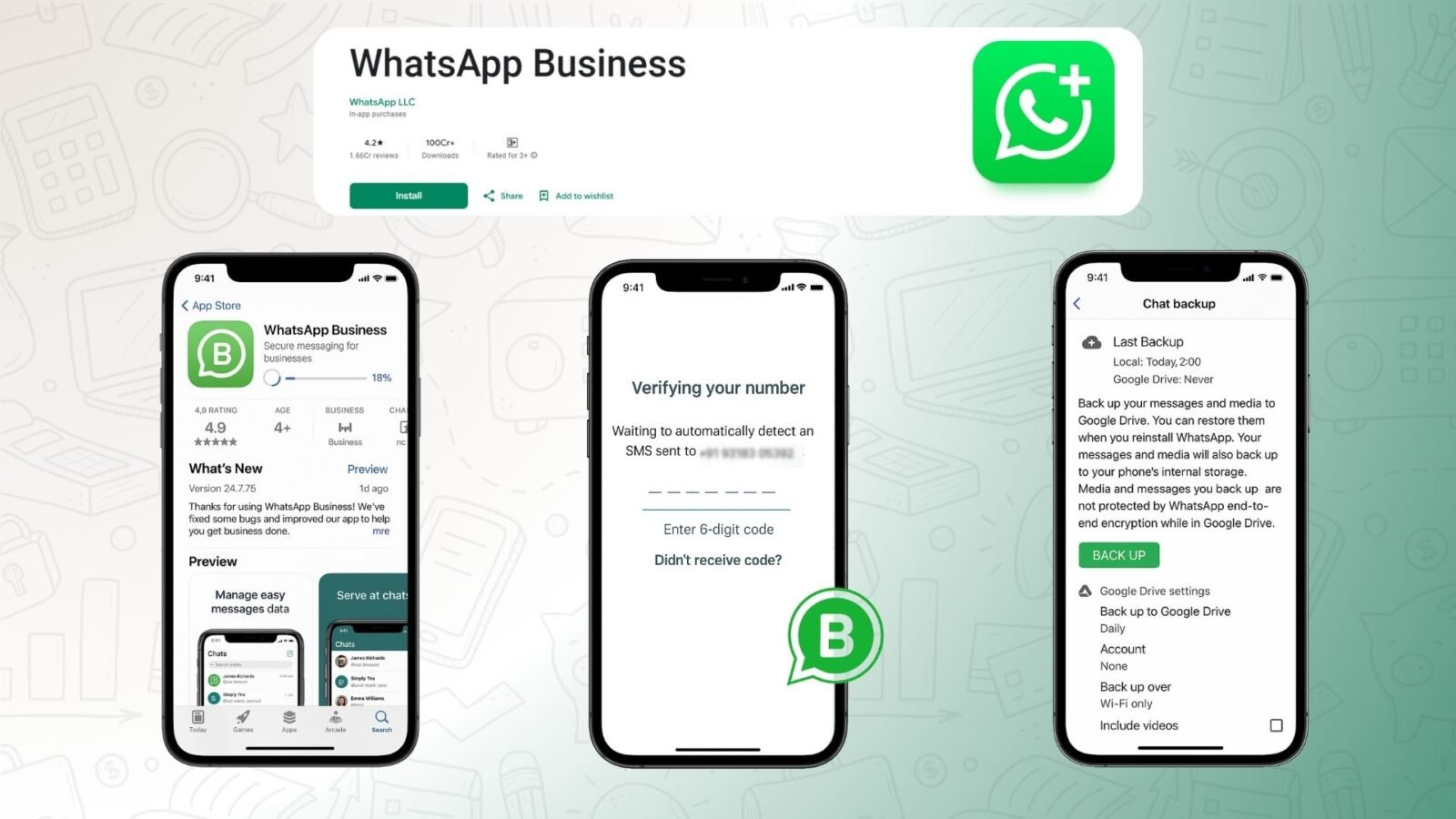
Using the regular WhatsApp app for business can create confusion. It is better to use the official WhatsApp Business app because it includes tools specifically designed for sellers.
Important features to set up:
Business Profile
Add your business name, category, address, timings, and payment details. A clear profile improves credibility.
Product Catalog
Upload product photos with prices and short descriptions. Customers can browse items directly inside WhatsApp without asking repeatedly.
Quick Replies
Save common responses for delivery charges, payment methods, and product details. This saves time when handling multiple inquiries.
Labels and Customer Segmentation
Organize customers into categories like “New Orders,” “Pending Payments,” or “Repeat Buyers.”
A clean setup creates a professional impression even for a home-based business.
Use WhatsApp Status as Your Daily Marketing Tool
Many small business owners underestimate WhatsApp Status. In reality, it works like a free social media feed for local customers.
Posting regularly helps people remember your business. Daily status updates can include:
- Product arrivals
- Customer reviews
- Limited-time offers
- Behind-the-scenes preparation
- Delivery updates
- Festival discounts
Video content usually performs better than static photos. Even simple smartphone videos showing packaging or product use can increase trust.
Consistency matters more than expensive production quality.
Focus on Hyperlocal Delivery and Fast Response
One major reason customers buy through WhatsApp is convenience. Fast replies and nearby delivery create an advantage over large ecommerce platforms.
In smaller cities, many businesses partner with local delivery boys, bike riders, or auto drivers for same-day delivery. Some even use services like Dunzo, Porter, Swiggy Genie, or local courier networks where available.
Customers also expect quick responses. Delayed replies often lead to lost orders because buyers simply move to another seller.
Try following these basic practices:
- Reply within 15 to 30 minutes
- Confirm payment screenshots quickly
- Share delivery timelines clearly
- Avoid fake stock promises
Trust is the biggest currency in WhatsApp selling.
Use UPI Payments and Referral Marketing
Digital payments have made small businesses easier to run. Most WhatsApp sellers now accept:
- Google Pay
- PhonePe
- Paytm
- BHIM UPI
Always send payment confirmation and maintain simple order records using Excel or Google Sheets.
Referral marketing works especially well in Tier-2 India. Happy customers often share products inside family groups, office groups, or residential communities.
Simple referral offers can help growth:
- ₹50 off on next purchase
- Free delivery for referrals
- Small free gifts on repeat orders
Word-of-mouth remains one of the strongest marketing channels outside metro cities.
Avoid Common Mistakes While Starting
Many WhatsApp businesses fail because owners try to scale too quickly without systems.
Common mistakes include:
- Posting too many promotional messages
- Ignoring customer complaints
- Using poor-quality product photos
- Mixing personal and business chats
- Taking orders without inventory planning
Another mistake is copying large ecommerce businesses. Small WhatsApp sellers succeed through personal relationships, local understanding, and faster communication.
Focus first on repeat customers instead of viral growth.
Takeaways
- WhatsApp Business allows people to start low-investment businesses directly from home
- Tier-2 and Tier-3 cities offer strong opportunities because of local trust-based buying behavior
- Consistent WhatsApp Status updates and fast replies help attract repeat customers
- UPI payments and referral marketing are essential growth tools for small sellers
FAQ
Is WhatsApp Business free to use?
Yes. The WhatsApp Business app is free and available for Android and iPhone users.
Which products sell best on WhatsApp in smaller cities?
Affordable fashion items, homemade food, beauty products, jewellery, and daily-use products usually perform well.
Do I need GST to start a WhatsApp business?
For small home businesses with limited turnover, GST may not be immediately required. However, rules depend on product category and annual revenue.
Can students or homemakers start WhatsApp businesses?
Yes. Many students, homemakers, and part-time entrepreneurs run successful WhatsApp businesses with minimal investment.