
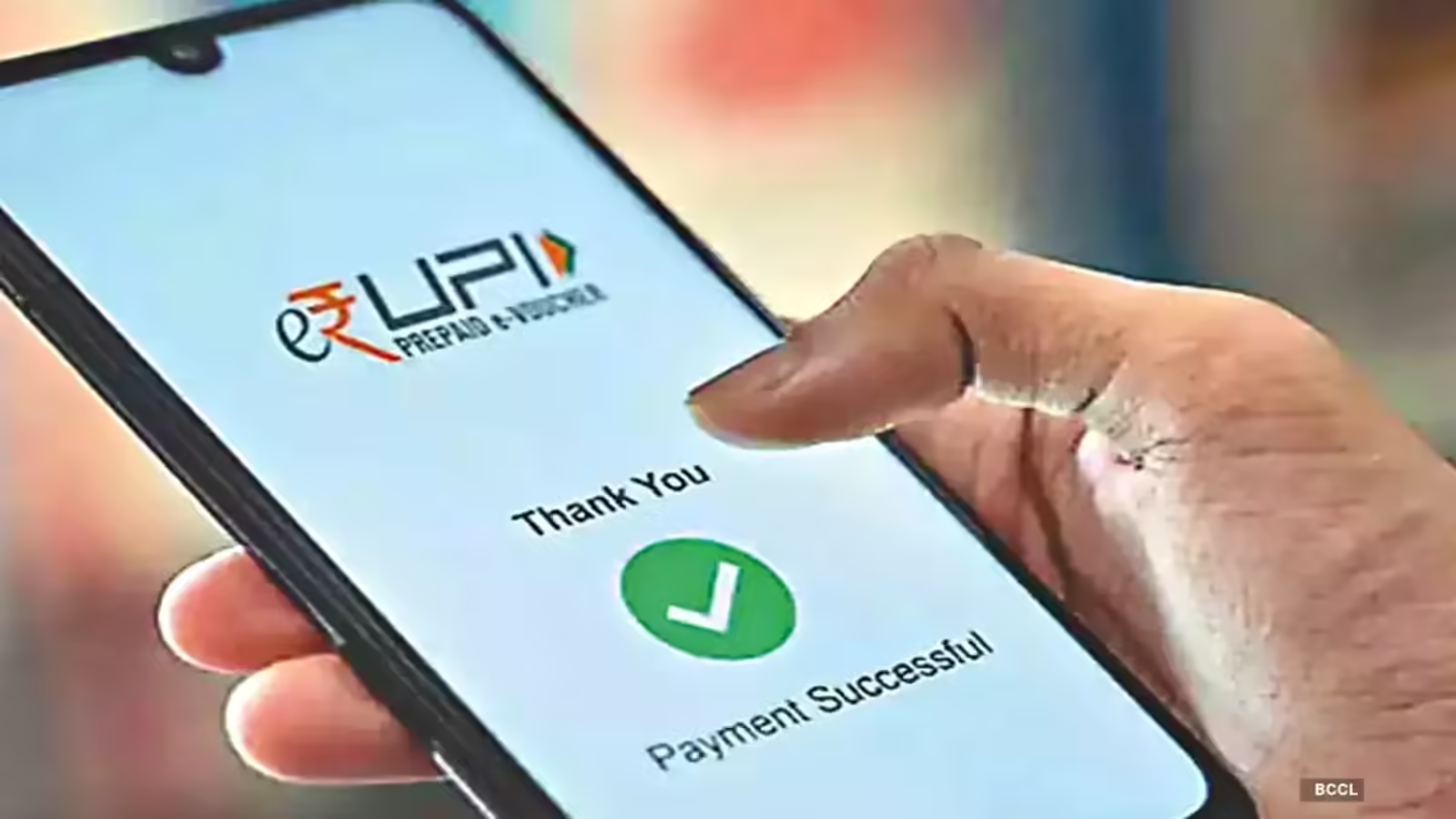

Digital payments in India are expanding far beyond metro cities as UPI usage grows rapidly in smaller towns and semi-urban regions. From local tea stalls and kirana shops to vegetable vendors and small businesses, digital transactions are becoming part of daily life across Tier-2 and Tier-3 India.
How UPI Became India’s Most Popular Payment System
Unified Payments Interface, commonly known as UPI, was introduced by the National Payments Corporation of India to simplify bank-to-bank digital transfers. Over the last few years, UPI has evolved from a mobile payment option into one of the world’s largest real-time digital payment systems.
Apps such as PhonePe, Google Pay, and Paytm helped popularize QR-code payments by making transactions simple for smartphone users.
Initially, digital payments were more common in larger cities where internet access and banking awareness were higher. However, affordable smartphones, low-cost internet plans, and government-backed digital initiatives have expanded usage into smaller cities and rural regions.
Consumers now use UPI for grocery shopping, utility bill payments, transportation, online purchases, food delivery, and even small roadside transactions. The convenience of instant payments without carrying cash has significantly changed consumer behavior.
Why Small Cities Are Adopting Digital Payments Faster
One major reason behind rising UPI usage in smaller cities is increased smartphone penetration. Affordable Android devices and cheaper mobile data plans have made internet access widely available across India.
The rapid expansion of QR-code infrastructure has also played a major role. Today, even small roadside vendors display UPI payment stickers because setup costs are minimal and transactions happen instantly.
Government campaigns promoting Digital India and cashless transactions have increased public awareness around online payments. During the pandemic years, contactless payment preferences accelerated digital adoption even further.
Young consumers in Tier-2 and Tier-3 cities are especially comfortable using digital wallets and banking apps. Social media familiarity and ecommerce growth have made digital payments part of everyday smartphone usage.
Another factor is convenience. Customers no longer need exact cash or ATM visits for routine purchases. Merchants also benefit because digital payments reduce cash handling risks and simplify transaction tracking.
How Small Businesses and Kirana Stores Benefit
Small businesses and kirana stores are among the biggest beneficiaries of UPI adoption. Earlier, digital payment machines required installation charges and transaction fees that discouraged smaller merchants.
UPI changed this by allowing shopkeepers to accept payments through simple QR codes linked directly to bank accounts. Even businesses with limited infrastructure can now receive cashless payments instantly.
Digital transactions also help maintain sales records and improve payment transparency. Some small businesses use transaction histories to apply for loans and financial products from banks or fintech companies.
For local stores, accepting UPI payments increases customer convenience and reduces dependency on cash availability. Delivery services, tuition classes, pharmacies, and food stalls now commonly accept digital payments.
In smaller cities, many family-run businesses have adopted hybrid systems where customers can pay through cash, UPI, or wallet apps depending on preference.
Retail analysts note that digital payments are also helping local businesses integrate with ecommerce and online ordering systems.
Role of Fintech and Government Support
India’s fintech ecosystem has contributed significantly to digital payment expansion. Fintech companies continue introducing reward programs, cashback offers, and easy payment interfaces to attract users.
Banks have also improved mobile banking systems to support faster digital transactions. Many regional-language interfaces now help users who are not comfortable with English-based applications.
Government services increasingly support digital payments for taxes, utility bills, transport bookings, and welfare-related transactions. This broader digital ecosystem encourages citizens to become more comfortable with cashless systems.
UPI Lite, voice-based payments, and feature-phone payment systems are also helping users in areas with lower internet connectivity or limited smartphone experience.
The Reserve Bank of India and NPCI continue working on security improvements and transaction scalability as payment volumes increase across the country.
Challenges and Risks of Rapid UPI Growth
Despite its success, rapid digital payment adoption also brings challenges. Cyber fraud, phishing scams, fake payment screenshots, and OTP-related fraud cases have increased in many regions.
Many first-time digital users in smaller cities are still learning about online safety practices. Fraudsters often target users through fake customer care calls and suspicious links.
Internet connectivity issues can also affect transaction reliability in certain semi-urban and rural areas. Payment failures sometimes create confusion between customers and merchants.
Another concern is overdependence on smartphones and digital infrastructure. During server outages or network disruptions, businesses relying entirely on digital payments may face temporary disruptions.
Experts recommend verifying payment confirmations carefully and avoiding sharing banking details or OTPs with unknown individuals.
Future of Digital Payments in Non-Metro India
Digital payments are expected to continue growing strongly across smaller Indian cities over the next decade. Rising smartphone usage, fintech innovation, and increasing ecommerce activity are likely to accelerate cashless adoption further.
Voice-based UPI systems and regional-language interfaces may make digital payments even more accessible for older users and rural populations.
Retail experts believe India’s future economy will become increasingly digital-first, with UPI remaining a central part of daily financial transactions.
As businesses and consumers become more comfortable with digital systems, cash usage in smaller cities may continue declining gradually, though it is unlikely to disappear completely in the near future.
Takeaways
- UPI usage is growing rapidly across Tier-2 and Tier-3 Indian cities.
- Small businesses benefit from low-cost QR-code payment systems.
- Smartphone penetration and affordable internet are driving digital payments.
- Cybersecurity awareness is becoming increasingly important for users.
FAQ
Why is UPI popular in small Indian cities?
UPI is simple, fast, low-cost, and accessible through smartphones, making it convenient for both merchants and customers.
Can small shops use UPI without payment machines?
Yes, most merchants only need a QR code linked to their bank account to accept payments.
Are digital payments safe in India?
Digital payments are generally secure, but users should avoid sharing OTPs and verify transactions carefully to prevent fraud.
Which apps are most commonly used for UPI payments?
PhonePe, Google Pay, Paytm, and bank-based UPI apps are among the most widely used platforms in India.