
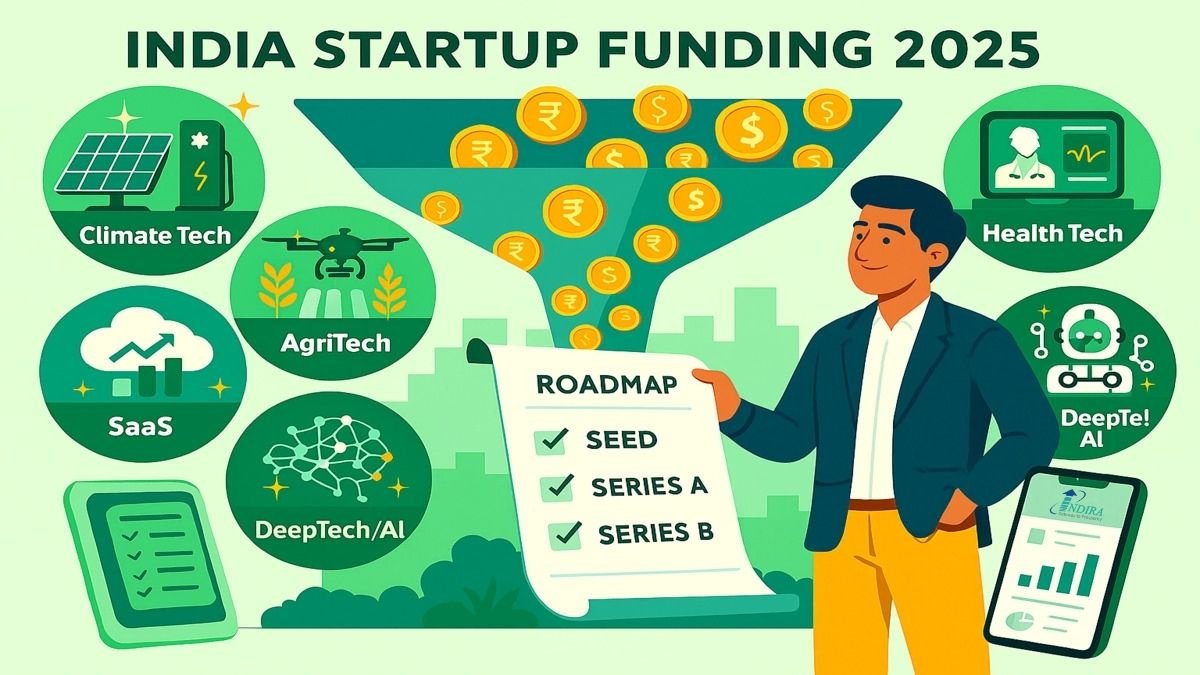

Patna, Ranchi, and Lucknow are gradually emerging as important startup and logistics hubs in eastern and northern India. Improved infrastructure, rising digital adoption, government support programs, and lower business costs are encouraging entrepreneurs and logistics companies to expand operations beyond traditional metro cities.
Why Tier-2 Cities Are Becoming Business Destinations
India’s startup ecosystem has historically been concentrated in metro cities such as Bengaluru, Delhi, Mumbai, and Hyderabad. However, rising operational expenses and increasing competition in larger cities are pushing businesses toward emerging Tier-2 markets.
Cities like Patna, Ranchi, and Lucknow offer lower office rental costs, improving connectivity, and access to local talent pools. Educational institutions and engineering colleges in these regions are producing graduates interested in technology, digital marketing, ecommerce, and entrepreneurship.
Internet penetration and smartphone usage have also expanded rapidly across smaller cities. This has created demand for online services, delivery systems, digital payments, and local ecommerce businesses.
Government-led initiatives such as Startup India, Digital India, industrial corridors, and state startup policies are encouraging entrepreneurs to build businesses locally instead of relocating immediately to metro cities.
The expansion of remote work and hybrid office models has further strengthened the appeal of smaller cities for startups and service companies.
Lucknow’s Growing Role in Technology and Ecommerce
Lucknow is witnessing growth in technology services, ecommerce operations, educational startups, and digital businesses. As the capital city of Uttar Pradesh, Lucknow benefits from strong administrative infrastructure and expanding urban development.
The city has become attractive for startups working in sectors such as health technology, online education, fintech, food delivery, and local ecommerce. Affordable operational costs compared to Delhi and Noida make it easier for early-stage businesses to manage expenses.
Lucknow’s improving road connectivity and airport infrastructure are also helping logistics and warehousing companies establish regional operations. Ecommerce platforms increasingly use the city as a distribution point for deliveries across Uttar Pradesh and nearby regions.
Coworking spaces, startup incubators, and local investor networks are slowly expanding as well. Young entrepreneurs from nearby districts are increasingly choosing Lucknow as a business base because it offers urban infrastructure without the extremely high costs of larger metro cities.
Patna’s Startup Potential and Consumer Market Growth
Patna is gradually developing as a regional business center due to rising consumer demand and digital adoption. Although Bihar traditionally lacked a strong startup ecosystem compared to larger states, changing internet usage patterns and growing youth entrepreneurship are creating new opportunities.
Startups in Patna are focusing on edtech, agriculture technology, digital services, local commerce, and skill development sectors. Bihar’s large student population has increased demand for online education and test preparation platforms.
The city’s expanding retail market and improving digital payment adoption are also attracting ecommerce and delivery companies. Logistics businesses view Patna as an important gateway for regional supply chain networks across eastern India.
Local entrepreneurs are increasingly using social media platforms, ecommerce marketplaces, and WhatsApp-based business models to reach customers. Many small businesses that once operated only offline are now experimenting with digital sales channels.
However, infrastructure limitations and funding accessibility remain challenges for many startups in the region.
Ranchi’s Logistics and Industrial Growth
Ranchi is emerging as a growing logistics and industrial support hub because of its strategic location and proximity to mining and manufacturing regions. The city’s road and rail connectivity supports transportation networks across eastern India.
Ranchi is seeing increased activity in warehousing, transportation services, industrial supply chains, and regional ecommerce logistics. As online shopping expands in smaller towns, logistics companies are investing in distribution systems closer to customers.
The rise of quick commerce, food delivery, and ecommerce fulfillment services has created employment opportunities in warehousing and delivery operations.
Ranchi’s startup ecosystem is also growing slowly in areas such as agriculture support services, digital marketing, local tourism, and business technology solutions.
Compared to larger cities, operational expenses remain relatively lower, which benefits smaller startups and logistics firms looking to scale gradually.
Government efforts to improve infrastructure and industrial investment may further strengthen Ranchi’s business ecosystem over the next few years.
Role of Digital Infrastructure and Youth Entrepreneurship
Digital infrastructure has become one of the biggest reasons behind the rise of startups in smaller cities. Affordable internet access and UPI payments have made online business operations easier for local entrepreneurs.
Young professionals and students in Tier-2 cities are increasingly exploring freelancing, ecommerce selling, AI-assisted services, and digital content creation instead of relying only on traditional employment.
Social media marketing and low-cost digital advertising allow startups to target customers nationally without requiring massive marketing budgets.
The growing popularity of coworking spaces, startup mentorship programs, and online learning platforms is also helping entrepreneurs acquire business skills more easily.
Regional-language internet usage has further expanded opportunities for local businesses serving non-English-speaking consumers.
Challenges Smaller Startup Hubs Still Face
Despite positive growth, cities like Patna, Ranchi, and Lucknow still face multiple challenges. Access to venture capital funding remains limited compared to metro cities. Many startups struggle to scale due to lack of investor networks and mentorship access.
Infrastructure gaps, traffic management issues, and inconsistent urban planning can affect business operations and logistics efficiency.
Finding highly specialized technology talent locally is another challenge for startups in advanced sectors such as AI, software engineering, and deep technology.
However, experts believe these limitations may reduce gradually as more companies, investors, and government initiatives focus on regional business development.
Takeaways
- Patna, Ranchi, and Lucknow are becoming important startup and logistics hubs.
- Lower costs and improving infrastructure are attracting businesses beyond metros.
- Ecommerce, logistics, edtech, and digital services are driving regional growth.
- Funding access and infrastructure gaps still remain major challenges.
FAQ
Why are startups moving to Tier-2 cities?
Startups are expanding into Tier-2 cities because operational costs are lower and digital infrastructure is improving rapidly.
Which industries are growing in Patna, Ranchi, and Lucknow?
Ecommerce, logistics, edtech, fintech, agriculture technology, and digital services are among the fastest-growing sectors.
How is logistics growth helping smaller cities?
Warehousing, ecommerce delivery, and transportation networks are creating jobs and improving regional business connectivity.
Do Tier-2 cities have strong startup ecosystems now?
The ecosystems are still developing, but government support, internet access, and rising entrepreneurship are accelerating growth.