
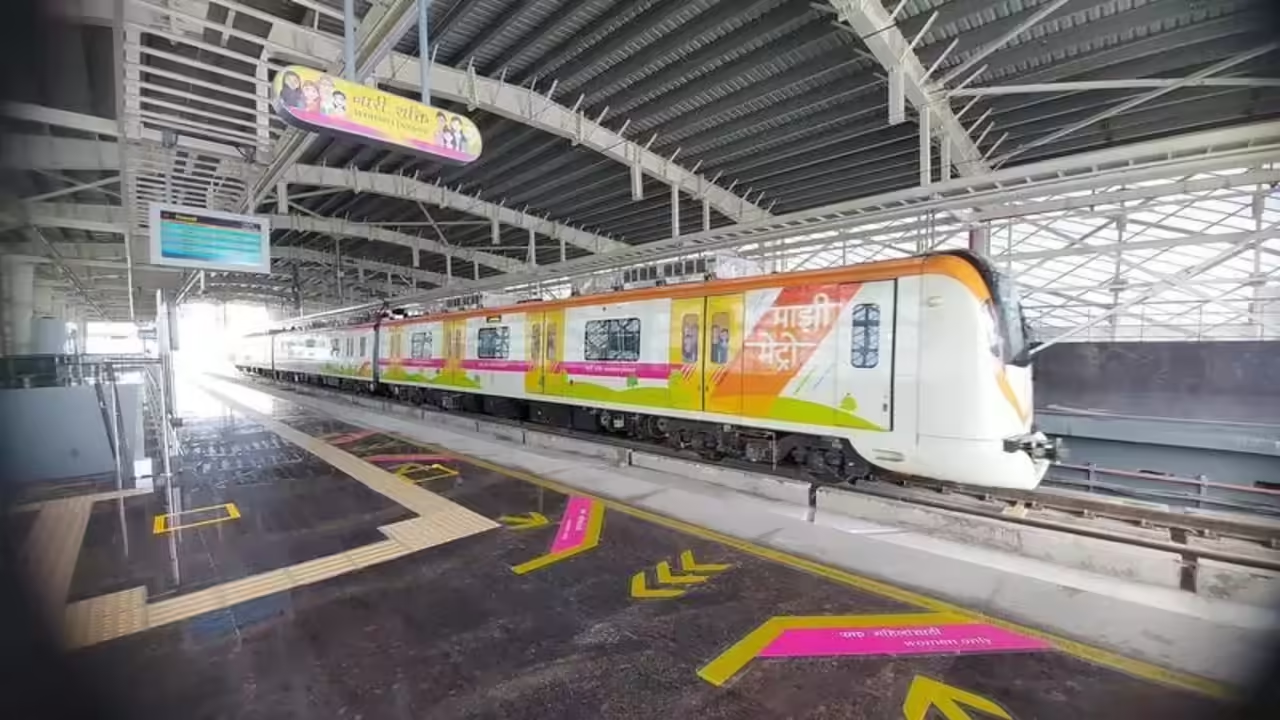

Nagpur Metro Phase 2 expansion is emerging as a significant infrastructure upgrade for the city, aiming to improve connectivity and reduce travel time. The project is expected to directly impact daily commuters across growing residential and industrial zones in and around Nagpur.
Nagpur Metro Phase 2 Expansion Overview and Current Status
Nagpur Metro Phase 2 expansion is a time-sensitive infrastructure development led by Maharashtra Metro Rail Corporation Limited. The project focuses on extending existing corridors to connect outer areas that currently rely heavily on road transport.
Phase 2 includes extensions toward rapidly developing zones such as Kanhan, Butibori MIDC, and other suburban belts. These areas have seen population growth due to industrial expansion and affordable housing, but public transport options have remained limited.
The expansion aligns with broader urban mobility goals, including reducing congestion within the city core and improving last-mile connectivity. Work is being rolled out in stages, with land acquisition and route planning already underway in several sections.
Key Routes and Connectivity Benefits for Commuters
The Phase 2 expansion of Nagpur Metro is designed to link residential areas with employment hubs more efficiently. Extensions toward industrial zones like Butibori are expected to benefit thousands of daily workers who currently depend on buses or private vehicles.
Connectivity improvements will also impact areas on the outskirts where metro access was previously unavailable. This includes zones witnessing new housing developments, where residents face long commute times to central Nagpur.
Integration with existing metro lines ensures smoother transit across corridors. Commuters will be able to switch routes without exiting the system, reducing overall travel time and effort.
Better connectivity is also expected to increase property demand in newly connected areas, especially in Tier-2 city expansion zones.
Travel Time Reduction and Daily Commute Efficiency
One of the biggest advantages of Nagpur Metro Phase 2 expansion is the expected reduction in travel time. Road congestion during peak hours has been a persistent issue, particularly on routes connecting industrial areas to the city.
Metro extensions provide a predictable and faster alternative. For example, routes that currently take over an hour by road could see significant time savings once metro connectivity is operational.
This is particularly relevant for daily wage workers, office employees, and students who rely on consistent travel schedules. Reduced travel time also translates into lower fuel costs and less dependence on personal vehicles.
Improved efficiency can lead to better work-life balance, as commuters spend less time in transit.
Economic and Urban Development Impact in Nagpur
The expansion is expected to trigger economic activity in connected areas. Improved transport infrastructure typically leads to growth in commercial establishments, retail spaces, and residential projects.
Industrial zones like Butibori could benefit from easier workforce movement, making them more attractive for new investments. Small businesses in suburban areas may also see increased footfall due to better accessibility.
Urban planners often view metro expansions as catalysts for organized development. In Nagpur’s case, Phase 2 could accelerate the city’s transformation into a more structured urban center.
Property values in areas along the new corridors are likely to see upward movement over time.
Challenges and Execution Timeline to Watch
Despite the benefits, Nagpur Metro Phase 2 expansion faces typical infrastructure challenges such as land acquisition, funding approvals, and construction timelines. Delays in any of these areas can impact project completion.
Coordination between multiple government agencies is required to ensure smooth execution. Environmental clearances and local administrative approvals also play a role in determining timelines.
Commuters should expect phased openings rather than a single launch. Initial sections may become operational earlier, offering partial benefits before full completion.
Monitoring official updates from Maharashtra Metro Rail Corporation Limited will be important for accurate timelines.
What Daily Commuters Should Expect Going Forward
For daily commuters in Nagpur, Phase 2 expansion represents a shift toward more reliable and structured public transport. Once operational, it can reduce dependency on overcrowded buses and rising fuel expenses.
Commuters may need to adapt to feeder systems such as e-rickshaws or buses for last-mile connectivity. Planning travel routes in advance using metro networks will become more common.
The expansion also signals long-term urban planning improvements, where public transport plays a central role in city development.
Early adoption of metro usage in newly connected areas will likely shape commuting patterns in the coming years.
Takeaways
- Nagpur Metro Phase 2 will expand connectivity to outer residential and industrial zones
- Daily commuters can expect reduced travel time and lower transport costs
- Economic activity and property demand are likely to rise along new routes
- Project execution depends on phased construction and regulatory approvals
FAQs
1. Which areas will Nagpur Metro Phase 2 cover?
The expansion is expected to include routes toward Kanhan, Butibori, and other suburban areas around Nagpur.
2. When will Phase 2 become operational?
The project will likely open in phases, depending on construction progress and approvals.
3. How will it benefit daily commuters?
It will reduce travel time, improve reliability, and offer an alternative to road congestion.
4. Will ticket prices change with Phase 2?
Pricing details will be determined by authorities, but metro fares are generally structured to remain affordable.