
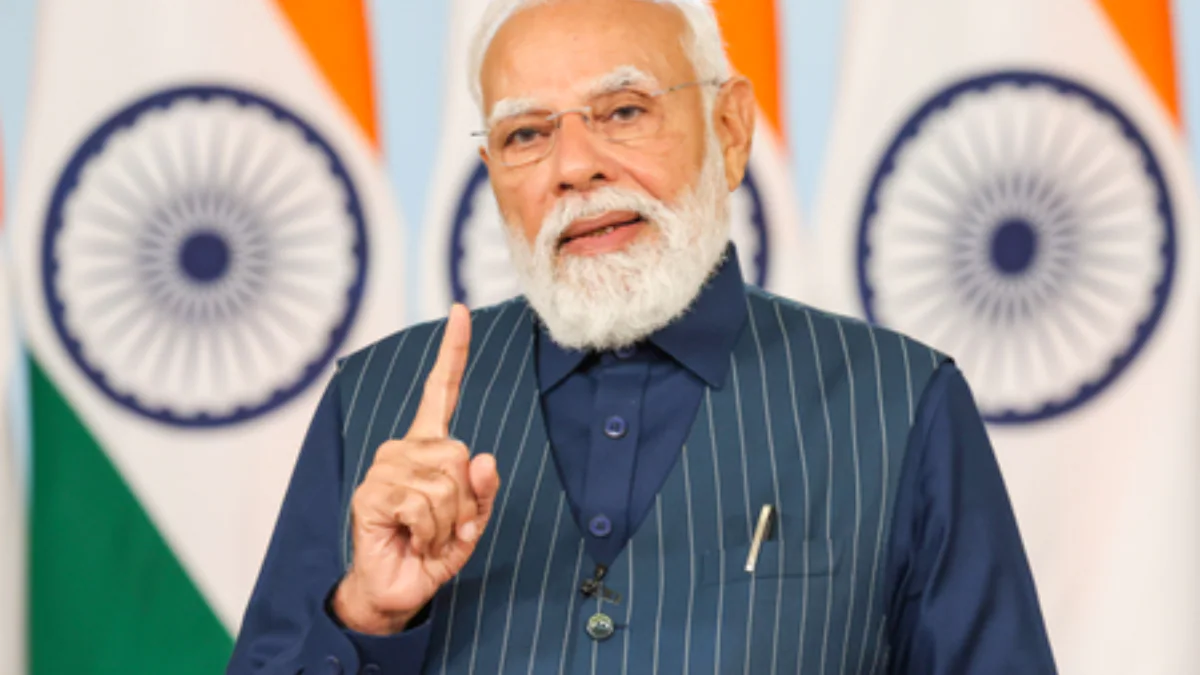

The Reform Express narrative has become central to the government’s policy messaging, highlighting structural reforms and infrastructure expansion across India. For Eastern and North Eastern Tier 2 growth nodes, this framework signals accelerated investment, connectivity upgrades and deeper integration into national supply chains.
The Reform Express theme reflects a broader push toward economic reforms, infrastructure modernization and regional development. In recent years, policy emphasis has included production linked incentives, digital public infrastructure, logistics corridors and capital expenditure led growth. For Eastern states such as West Bengal, Odisha, Bihar and Jharkhand, and North Eastern states including Assam and Tripura, the implications are significant. These regions historically lagged in industrial concentration compared to western and southern India. The new policy direction aims to narrow that gap through targeted connectivity and sector specific incentives.
Infrastructure Push and Regional Connectivity Expansion
One of the strongest pillars of the Reform Express approach is infrastructure led development. Capital expenditure allocations in recent Union Budgets have prioritized highways, rail networks, inland waterways and airport modernization. Eastern and North Eastern regions have witnessed new expressways, freight corridors and multimodal logistics parks under phased implementation.
Improved connectivity reduces transportation costs and attracts manufacturing investments. For example, enhanced rail freight movement and port connectivity in Odisha and West Bengal support mineral and metal industries. In the North East, improved highway networks and bridge projects reduce travel time and improve access to mainland markets.
Tier 2 cities such as Guwahati, Bhubaneswar and Patna stand to benefit from better cargo flow and passenger mobility. Infrastructure upgrades also stimulate real estate, hospitality and small enterprise growth around transport hubs.
Manufacturing Incentives and Industrial Clusters
The Reform Express narrative also aligns with manufacturing expansion under schemes such as production linked incentives. While initial investment clusters were concentrated in established industrial states, there is a visible push to diversify supply chains geographically.
Eastern India offers advantages including mineral resources, lower land costs and growing urban demand. Steel, aluminum, fertilizer and food processing industries already have a presence in the region. Policy support for electronics assembly and renewable energy manufacturing could further diversify industrial output.
For North Eastern states, agro processing, bamboo products and tourism linked enterprises have received policy attention. Financial incentives, credit support and skill development programs aim to create employment in smaller cities rather than concentrating opportunities only in metros.
Digital Public Infrastructure and Financial Inclusion
Digital governance reforms form another component of the Reform Express framework. The expansion of digital payment systems, direct benefit transfers and online compliance platforms reduces administrative friction for small businesses.
In Tier 2 and Tier 3 cities across Eastern India, digital infrastructure has improved access to banking, e commerce and government schemes. Entrepreneurs can register businesses online, file taxes digitally and access credit through formal channels more easily than before.
Financial inclusion initiatives have expanded bank account penetration and micro credit availability. For rural entrepreneurs, this translates into better working capital access and reduced dependence on informal lending networks.
Employment and Skill Development Implications
Policy driven infrastructure and manufacturing growth requires a skilled workforce. Eastern states have traditionally contributed migrant labor to other regions. With rising local investments, there is potential to reverse this trend gradually.
Skill development missions aligned with industrial corridors can improve employability in sectors such as logistics, construction, renewable energy and services. Tier 2 cities can emerge as training hubs linked to nearby industrial projects.
However, job creation depends on sustained private investment. Public infrastructure alone does not guarantee employment unless supported by business expansion. Monitoring industrial project execution and investment flow will be critical.
Challenges and Structural Constraints
Despite strong policy messaging, structural challenges remain. Land acquisition, regulatory clearances and power supply stability can affect project timelines. In some North Eastern states, terrain and climate pose logistical constraints.
Industrial diversification also requires consistent investor confidence. Ease of doing business at the state level, dispute resolution mechanisms and stable policy environments are important factors.
Regional disparities within Eastern India must also be addressed. Capital cities may attract disproportionate benefits while smaller districts lag. Balanced development requires targeted district level planning and sustained fiscal support.
Economic Outlook for Tier 2 Growth Nodes
If infrastructure momentum continues and manufacturing incentives translate into on ground projects, Tier 2 growth nodes in Eastern and North Eastern India could see steady economic expansion over the next decade. Urbanization trends, rising consumption and improved logistics create favorable conditions.
Cities such as Guwahati, Bhubaneswar, Ranchi and Patna are already witnessing growth in education services, retail and real estate. Integration into national supply chains can amplify these trends.
The Reform Express narrative ultimately depends on execution quality. Policy announcements must convert into completed projects, operational factories and measurable employment gains to reshape regional economic patterns.
Takeaways
• Infrastructure expansion is central to Eastern and North Eastern growth strategy
• Manufacturing incentives aim to diversify industrial concentration beyond traditional hubs
• Digital reforms improve financial inclusion and ease of doing business
• Execution and state level governance will determine long term impact
FAQs
Q1: What is meant by the Reform Express narrative?
It refers to a policy driven framework emphasizing structural reforms, infrastructure expansion and economic modernization across regions.
Q2: How does this impact Eastern India?
Eastern states may benefit from improved connectivity, industrial incentives and increased investment in Tier 2 cities.
Q3: Are new jobs expected in the North East?
Potentially yes, especially in infrastructure, agro processing, tourism and emerging manufacturing sectors, subject to sustained investment.
Q4: What challenges could slow growth?
Land issues, regulatory delays, infrastructure bottlenecks and uneven project execution could affect outcomes.