
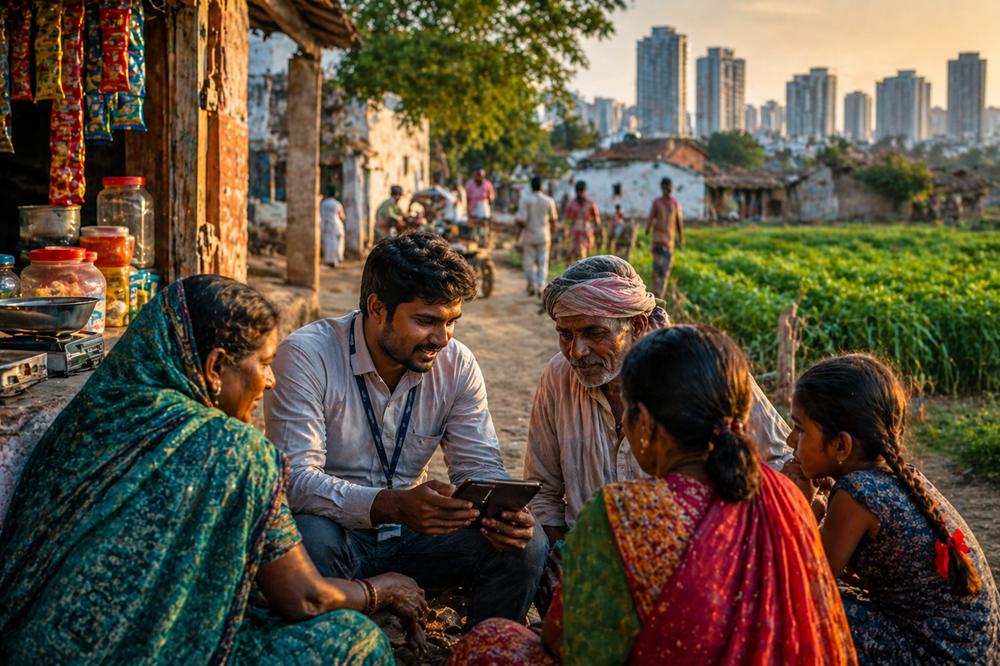

Small-town entrepreneurs are playing an increasingly important role in India’s retail and services economy. From local fashion brands and food businesses to digital agencies and logistics startups, founders in tier-2 and tier-3 cities are building profitable ventures that cater to both regional and national markets.
How Entrepreneurship Is Expanding Beyond Metro Cities
For decades, India’s startup narrative was dominated by Bengaluru, Mumbai, and Delhi. That is changing rapidly.
Cities such as Nagpur, Rajkot, Udaipur, Indore, and Coimbatore are producing a growing number of entrepreneurs who understand local consumer needs and operate with lean cost structures.
Improved internet access, digital payments, and affordable online marketing have lowered the barriers to starting a business. Entrepreneurs no longer need to be based in a metro city to reach customers across India.
Retail Businesses Are Being Reinvented Locally
Many small-town entrepreneurs are modernising traditional retail models.
Local clothing stores are launching their own labels. Kirana owners are adding home delivery and WhatsApp ordering. Regional food brands are packaging products for online sales.
These businesses combine community trust with digital tools, allowing them to compete more effectively with larger chains.
Because they are closely connected to their customers, they can adapt quickly to changing preferences.
Services Sector Entrepreneurs Are Growing Fast
The services economy is also seeing strong participation from smaller cities.
Founders are building businesses in areas such as:
- Digital marketing
- Accounting and tax support
- Education and coaching
- Healthcare services
- Repair and maintenance
- Beauty and wellness
Many of these ventures require limited upfront investment but can scale steadily with local demand.
As consumers become more willing to pay for convenience and expertise, service-based businesses are finding new opportunities.
Digital Payments and Social Media Are Key Enablers
The widespread adoption of UPI has transformed how small businesses collect payments.
At the same time, platforms such as Meta Platforms’s Instagram and WhatsApp allow entrepreneurs to market products directly to customers.
A boutique in Nagpur can showcase new collections through Instagram Reels. A homemade snacks business in Indore can accept UPI payments and ship nationwide.
This combination of visibility and frictionless payments has accelerated growth.
Lower Costs Improve Business Sustainability
Operating from smaller cities offers meaningful cost advantages.
Commercial rent, salaries, and daily expenses are typically lower than in metros. Entrepreneurs can often launch and sustain businesses with less capital.
This reduces financial pressure and allows owners to focus on steady growth rather than aggressive fundraising.
For many founders, profitability is the primary goal, not rapid expansion at any cost.
Local Demand Is Becoming More Sophisticated
Consumers in smaller cities are spending more on branded products, convenience, and quality services.
Rising incomes, aspirational lifestyles, and greater exposure to national trends are increasing demand for better offerings.
This creates opportunities for entrepreneurs who can deliver trusted products and professional customer experiences.
In many cases, businesses that start by serving local markets later expand to neighbouring cities and online channels.
Government Support and Formalisation
Government initiatives such as Udyam registration, Mudra loans, and digital compliance systems have made it easier to formalise businesses.
Entrepreneurs can now access credit, register online, and participate in e-commerce marketplaces more easily than before.
Formalisation also improves credibility with suppliers, lenders, and customers.
Challenges Still Remain
Despite strong momentum, small-town entrepreneurs face obstacles.
Access to growth capital can be limited. Skilled hiring may be difficult in niche roles. Logistics and warehousing costs can also affect expansion.
However, many founders are overcoming these constraints by using freelancers, third-party logistics providers, and digital tools.
Why This Trend Matters for India’s Economy
Small businesses are among the largest generators of employment in India.
As entrepreneurship spreads beyond major metros, economic growth becomes more geographically balanced. Local communities benefit through job creation, higher incomes, and stronger demand for goods and services.
This decentralised model of growth may prove more resilient and inclusive over time.
Takeaways
- Entrepreneurs in tier-2 and tier-3 cities are driving retail and services growth.
- Digital payments and social media have reduced barriers to starting a business.
- Lower operating costs help small-town ventures achieve profitability.
- Rising consumer demand is creating new opportunities across sectors.
Frequently Asked Questions
Why are more entrepreneurs emerging from small towns?
Better internet access, digital payments, and lower startup costs have made business creation easier.
Which sectors are seeing the most growth?
Retail, food, education, healthcare, and digital services are among the leading categories.
How do small-town businesses compete with larger brands?
They combine local market understanding with digital marketing and direct customer relationships.
What role does UPI play in this trend?
UPI enables instant payments and helps small businesses operate more efficiently.