
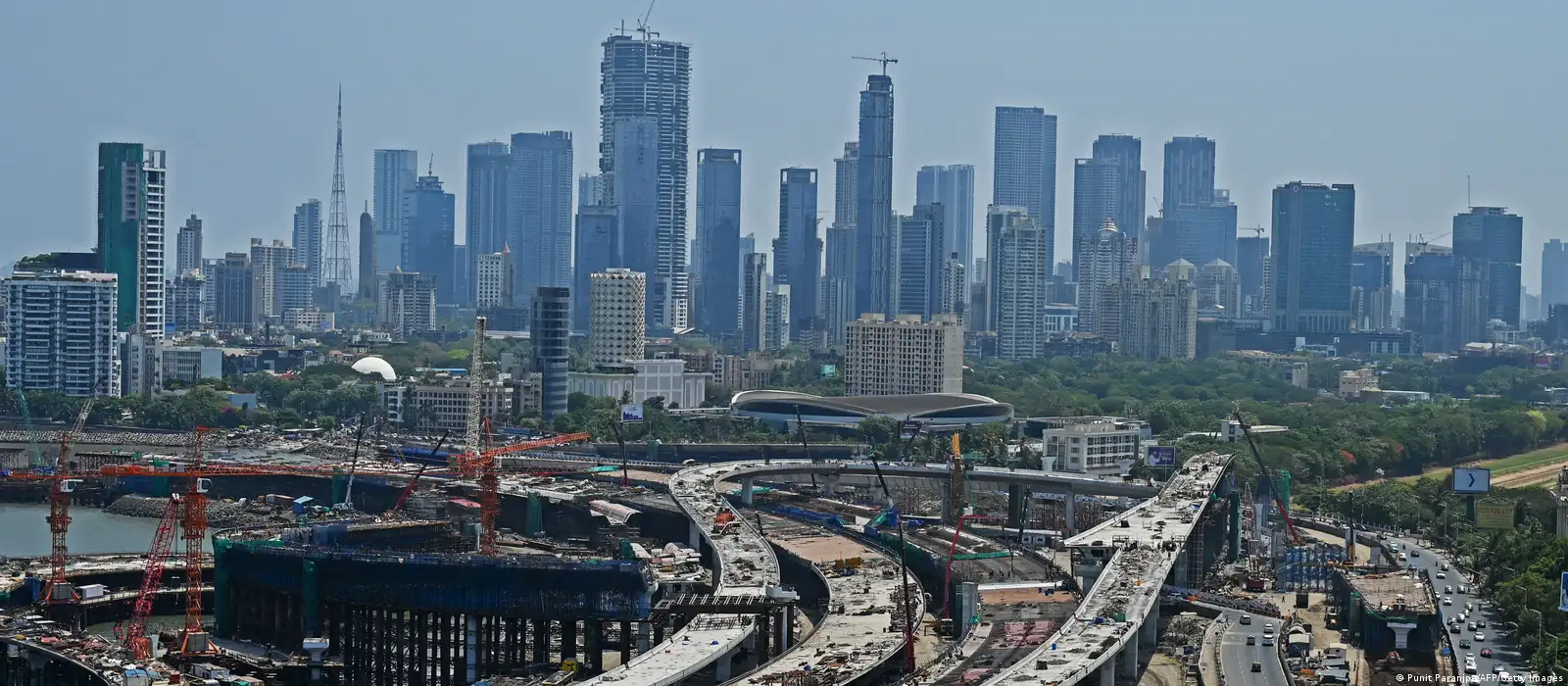

Smart city projects in smaller municipalities are seeing slow progress despite approved budgets and planned timelines. The main keyword is smart city projects. Officials cite land acquisition hurdles, limited technical capacity, and vendor contract disputes as primary reasons for delays, while residents continue to wait for visible improvements.
Scope Of Smart City Projects In Small Municipalities
Smart city initiatives in smaller municipal regions typically include projects such as CCTV-based surveillance systems, drainage upgrades, LED street lighting, bus stop modernization, integrated command control centers, and pedestrian-friendly market zones. Unlike major metropolitan smart cities, smaller districts focus on practical civic service improvements meant to reduce everyday inconvenience. These projects are expected to modernize core urban functions such as traffic management, public safety, sanitation, and water distribution. However, execution speed varies widely, and many towns report that pilot work begins but does not scale across wards.
Land Acquisition And Administrative Permissions
One of the most frequently cited causes of delay is land acquisition. Even small infrastructure upgrades sometimes require clearing government-owned plots, relocating temporary markets, or adjusting property boundaries. Municipal staff often have to negotiate with local vendors, residential associations, and private property owners, which takes time. Some projects also require environmental clearances or archaeological no-objection certificates in historically dense town centers. When multiple departments must approve the same project, files move slowly, extending implementation timelines beyond initial projections.
Limited Technical Capacity At Local Level
Many smaller municipalities do not have enough in-house technical teams experienced in large-scale digital and infrastructure projects. While the central mission provides design guidelines, local officials are responsible for execution and vendor coordination. Smaller towns often rely on external consultants who may rotate between multiple districts. This leads to gaps in monitoring and slower troubleshooting when technical issues arise. When digital components like command centers or IoT sensors malfunction, repairs may take weeks due to limited local availability of trained technicians.
Vendor Contracts And Cost Escalations
Tendering is another major challenge. Municipal bodies must follow strict procurement rules. If only one vendor bids, the tender is often reissued, delaying action. In some cases, winning contractors request cost revisions due to increased material or fuel prices. Disputes over payment schedules can stall work midway. For example, smart lighting and water sensor projects in several Tier 2 clusters paused because contractors claimed the approved budget no longer matched market rates. Without timely renegotiation or replacement vendors, partially installed infrastructure remains idle.
Coordination Between State And Local Departments
Although smart city missions are centrally guided, execution depends on cooperation between state-level engineering teams and local municipal bodies. In some districts, water supply is managed by a state department while roads and sanitation fall under the municipal council. When projects require synchronized planning, such as underground cabling along new drainage lines, misalignment causes delays. Some towns have begun forming joint task cells to improve coordination, but adoption remains uneven.
Budget Utilization And Fund Release Cycles
Funding under the smart city mission is released in phases. A municipality must show progress to receive the next installment. When progress stalls due to tender issues or delayed approvals, fund release pauses, slowing further work. In certain cases, municipalities utilized initial funds for quicker projects like LED lighting, but larger sustainability projects lag due to higher complexity. Officials argue that realistic timelines should account for urban restructuring challenges rather than assuming uniform speed across cities of different scales.
Impact On Residents And Local Businesses
Delayed projects affect daily life. Market redevelopment delays mean vendors continue operating in congested lanes. Slow drainage upgrades extend risk of seasonal flooding. Bus stop modernization delays push commuters to unsafe roadside boarding. Residents begin to question whether funds are being fully utilized. Some towns have reported improved transparency by publishing monthly progress dashboards, but not all municipalities follow this model.
Officials’ Response And Next Steps
Officials involved in the mission highlight that the objective is long-term urban improvement, not short rapid construction. They argue that procedural delays ensure proper documentation and reduce future legal disputes. Some states have begun sending mobile engineering support teams to smaller towns to accelerate stalled segments. Central monitoring committees are also reviewing vendor performance records to prevent recurring contract issues across districts.
Takeaways
• Smart city projects in smaller municipalities are progressing slowly due to structural and administrative challenges.
• Land acquisition, vendor contract delays, and limited technical manpower are key obstacles.
• Residents continue to face daily inconveniences when infrastructure upgrades stall midway.
• Improved interdepartmental coordination and performance-based vendor checks may accelerate progress.
FAQs
Why do delays happen more in smaller towns compared to big cities
Smaller municipalities have fewer technical staff and less experience managing integrated infrastructure projects, which slows execution.
Are funds the main issue causing project delays
Funds are generally allocated, but release depends on achieving milestones. Administrative delays often prevent reaching those milestones on time.
Can local residents track project progress
In some districts, progress updates are available on municipal websites or smart city dashboards. However, transparency varies across states.
Will stalled projects eventually be completed
Most ongoing smart city works are expected to resume after contractor renegotiations or administrative clearance adjustments, though timelines may extend.