
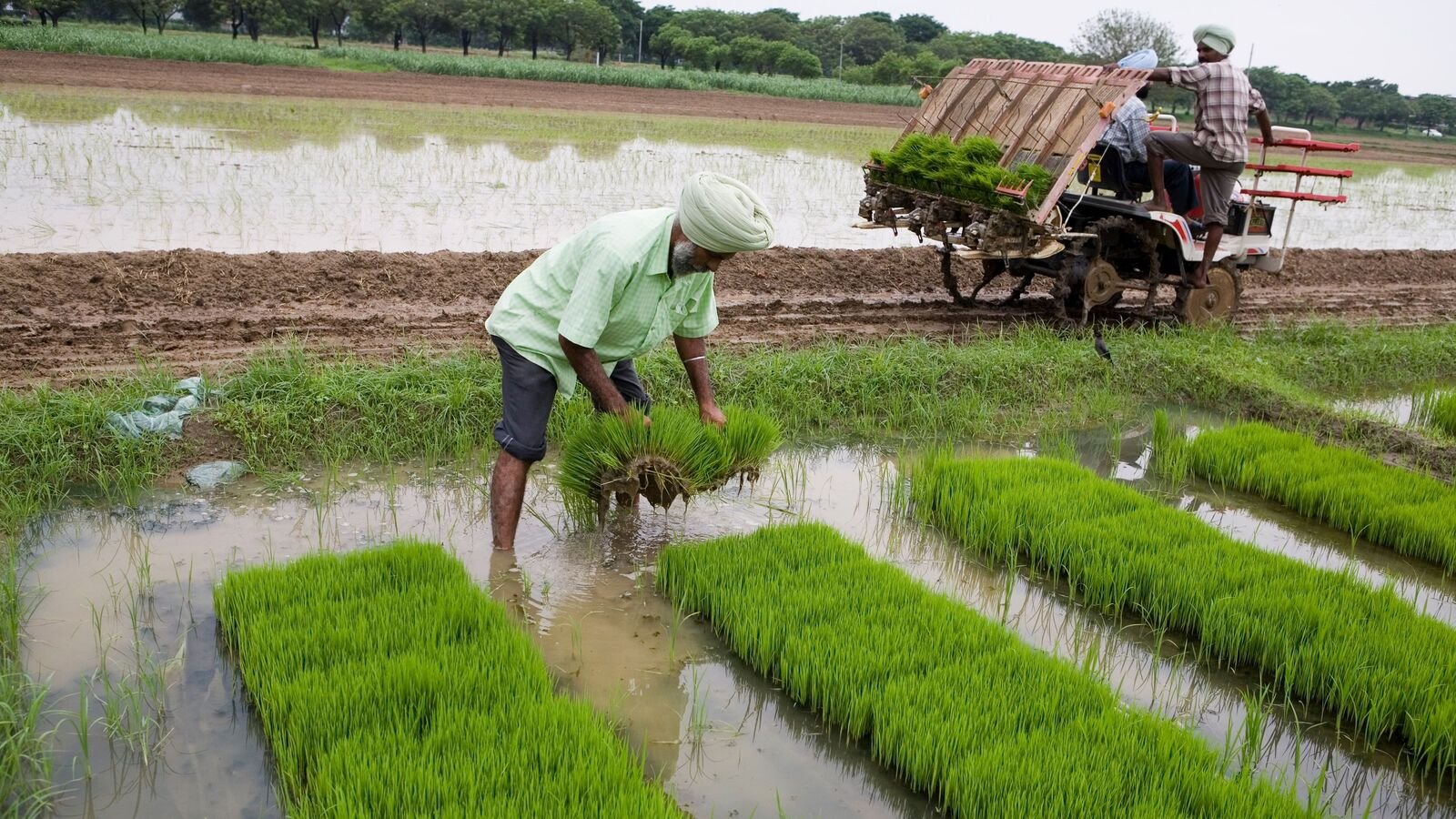

Monsoon crop procurement is underway across major agricultural states, and farmers in Uttar Pradesh, Madhya Pradesh, and Rajasthan are preparing to sell paddy, millet, soybean, and pulses under state and central procurement programs. This update explains procurement dates, pricing, documents required, and what has changed this season.
Government MSP And Procurement Targets
Each year, procurement agencies purchase crops at the Minimum Support Price to ensure stable income for farmers. For the current Kharif season, MSPs for major crops include paddy, maize, soybean, and various pulses. States have set district wise procurement targets influenced by rainfall patterns, output estimates, and storage availability. In UP, procurement is led by the Food and Civil Supplies Department. MP relies heavily on MP State Cooperative Marketing Federation procurement centers. Rajasthan uses RAJFED and state warehouse networks. Farmers must confirm which nodal agency operates in their district before transporting produce.
Crop Wise Update Across The Three States
In Uttar Pradesh, paddy procurement is active in western and central districts while eastern regions begin later due to crop maturity timelines. UP has prioritized digital token scheduling to reduce waiting time at procurement centers. In Madhya Pradesh, soybean procurement has seen higher arrivals due to better yield in several regions this year. Pulse procurement is limited based on district quotas, so enrollment timing matters. Rajasthan has seen a focus on bajra and moth bean procurement, particularly in semi-arid districts. Farmers should check whether their local mandi is registered as a procurement point or only as an open market auction site.
Quality Grading And Moisture Testing Rules
All three states enforce quality standards at centers. Moisture percentage is strictly checked. Paddy must typically meet the allowed moisture content level before purchase. Soybean and pulses are tested for shriveled grains and damage percentage. If the crop does not meet the grade parameters, deductions may be applied or procurement may be declined. Farmers are advised to sun dry grains properly before transport. Carrying produce with higher moisture content can lead to rejections and extra transport costs if farmers must return home without sale.
How To Register For Procurement
Most procurement now requires digital registration. In UP, farmers register on the state procurement portal using Aadhaar, land record details, bank account number, and crop details. MP uses the e-Uparjan platform. Rajasthan uses its state procurement registration interface and district-level Krishi Upaj Mandis assist with verification. Farmers should keep bank passbook photocopy, Aadhaar card, and Khasra-Khatauni records ready. Registrations must match the land ownership records to avoid verification delays.
Payment Timeline And Direct Bank Transfer
Payments are made via Direct Benefit Transfer to avoid middlemen. Once the crop is inspected, weighed, and accepted, payment typically arrives within 7 to 10 working days depending on state processing speed. Farmers should monitor SMS notifications and passbook entries. If payment is delayed, contact the procurement center in-charge or district agriculture office rather than intermediaries. Helpline numbers are available on state procurement websites.
Transport And Token Scheduling
Many districts have adopted token systems to reduce queues. Farmers receive a time slot to bring the crop to the center. This prevents overcrowding and reduces grade-related disputes because inspection happens in an orderly manner. Transporters in rural mandis may increase charges during procurement peak weeks. Coordinating with local cooperative societies may help reduce costs. Farmers should avoid last-week rush because centers operate on fixed daily intake limits.
Private Market And MSP Comparison
In some mandis, private traders offer prices higher than MSP depending on immediate demand. However, MSP provides guaranteed floor price security. Farmers must evaluate whether selling to traders provides timely payment and fair weighing. Official procurement ensures transparent weighing and payment records, while private sales require trusted buyer relationships. The choice depends on local market conditions and urgency for payment.
Weather Risks And Storage
Due to unpredictable rainfall, many farmers are storing produce longer to achieve better moisture levels before sale. However, improper storage can lead to pest attacks. Using tarpaulin sheets and elevated platforms reduces grain spoilage. State warehousing facilities allow limited storage under subsidized rates but require documentation.
Takeaways
• Farmers must register on state procurement portals before selling crops at MSP.
• Moisture and quality testing directly affect crop acceptance and final price.
• Payments are made through direct bank transfer within standard timelines.
• Token based arrival scheduling helps reduce waiting time and travel losses.
FAQs
Which crops are being procured in most districts this season?
Paddy, soybean, bajra, maize, and pulses such as urad and moong are under procurement depending on district crop patterns.
Do tenant farmers also qualify for procurement?
Some states allow tenant farmer procurement if local authorities verify crop possession. Documentation varies, so check district rules.
What happens if my crop fails quality testing?
You may dry and re-clean the crop and return for another inspection or sell in the open market. Officials cannot force acceptance below grade.
How can I check payment status?
Payment status can be tracked through state procurement portals using registration login credentials or by checking SMS alerts sent after approval.