
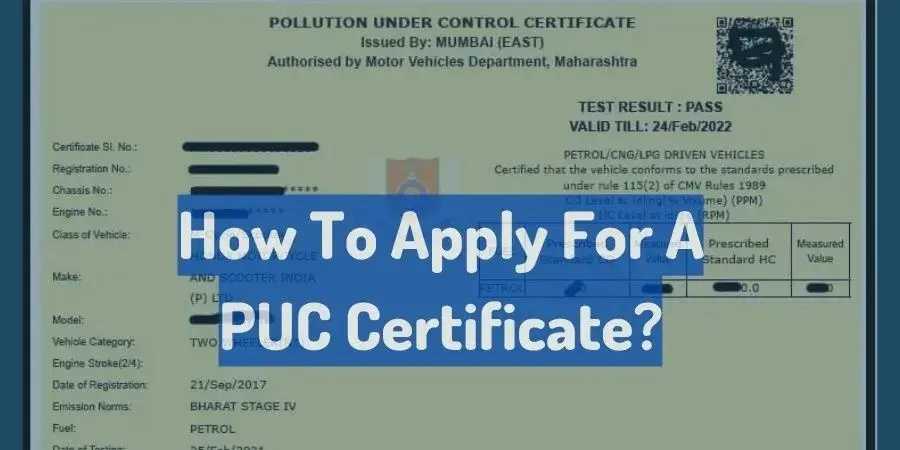

Applying for a valid PUC certificate before fueling in Delhi NCR has become a time sensitive requirement after stricter pollution control enforcement. Vehicles without a Pollution Under Control certificate are now denied fuel at petrol pumps across Delhi and parts of NCR, making compliance mandatory rather than optional.
This topic is time sensitive and the article follows a news focused reporting tone with practical steps based on current enforcement practices.
Why PUC Certificate Is Now Mandatory Before Fueling
The PUC certificate confirms that a vehicle’s emissions are within permissible limits set by pollution control authorities. With winter air quality deteriorating sharply in Delhi NCR, enforcement teams have intensified checks at fuel stations. Petrol pumps are instructed to deny fuel to vehicles that cannot show a valid PUC certificate.
This move is part of broader pollution control measures aimed at reducing vehicular emissions, which remain a major contributor to winter smog. Older vehicles, poorly maintained engines and expired PUC certificates are under closer scrutiny. For daily commuters, cab operators and delivery vehicles, a valid PUC is now essential to avoid disruptions.
Who Needs a PUC Certificate and Validity Rules
Every motor vehicle operating in Delhi NCR needs a PUC certificate. New vehicles are exempt for the first year from the date of registration. After that, petrol vehicles typically require a PUC every six months, while diesel vehicles may have shorter validity depending on age and emission readings.
Validity is printed on the certificate and also stored digitally in government databases. Driving with an expired PUC is treated as non compliance even if the vehicle passes emission norms otherwise. Enforcement checks at fuel stations rely on real time verification, not past compliance.
Step by Step Process to Apply for a PUC Certificate
The process to apply for a PUC certificate is straightforward and takes less than ten minutes if the vehicle is compliant. Start by locating an authorized PUC testing centre. These are available at most petrol pumps, RTO zones and designated emission testing points across Delhi NCR.
Carry your vehicle and registration details. The operator will insert a probe into the exhaust to measure emission levels. For petrol vehicles, idle and high idle tests are conducted. Diesel vehicles undergo a smoke density test. Results are generated instantly.
If the vehicle meets emission standards, the PUC certificate is issued on the spot. The operator uploads the data to the central system and provides a printed receipt. The certificate number is linked to your vehicle registration.
Cost of PUC Certificate in Delhi NCR
The cost of obtaining a PUC certificate is regulated and affordable. Petrol vehicle tests typically cost between Rs 60 and Rs 100. Diesel vehicle tests usually cost between Rs 100 and Rs 120 depending on the testing method.
No additional fees are required for digital entry or printing. Be cautious of unauthorized operators charging higher amounts. A genuine PUC certificate always includes the testing centre code, date of issue and validity period.
What Happens If Your Vehicle Fails the PUC Test
If a vehicle fails the emission test, a PUC certificate is not issued. The operator will inform you about the emission values exceeding limits. Common reasons include poor engine tuning, clogged air filters, worn spark plugs or incomplete combustion.
In such cases, the vehicle must be serviced or repaired before retesting. There is no penalty for failing a PUC test itself, but driving without a valid certificate can lead to fines and fuel denial. After repairs, the vehicle can be retested at any authorized centre.
How Fuel Stations Verify PUC Certificates
Fuel stations in Delhi NCR are equipped to check PUC validity through physical certificates or digital records. Many pumps accept digital PUC certificates stored in government approved apps. Some stations verify vehicle numbers directly against the central database.
If a vehicle cannot produce a valid certificate or digital proof, fuel staff are instructed to refuse service. Repeated violations may be reported to enforcement agencies. This has made on the spot compliance essential, especially for commercial and high frequency drivers.
Common Mistakes Vehicle Owners Should Avoid
Many vehicle owners assume that a recently serviced vehicle automatically has a valid PUC. This is incorrect. Servicing and PUC testing are separate processes. Another common mistake is carrying an expired certificate assuming grace periods apply. Current enforcement does not allow leniency.
Some drivers rely on old printed slips that are no longer valid. Always check the validity date. Also avoid testing at unauthorized roadside setups which issue fake certificates that do not reflect in the central system.
Impact on Daily Commuters and Commercial Vehicles
The PUC enforcement before fueling has a direct impact on daily commuters, app based taxi drivers, delivery partners and intercity travelers. Vehicles that run long hours are more likely to face emission issues and must test more frequently.
Fleet operators are now scheduling regular emission checks to avoid downtime. For individual car owners, proactive compliance helps avoid last minute stress at fuel stations during peak hours.
Takeaways
PUC certificate is now mandatory to fuel vehicles in Delhi NCR
Testing takes under ten minutes at authorized centres
Expired or missing PUC can lead to fuel denial
Regular maintenance improves chances of passing emission tests
FAQ
Can I show a digital PUC certificate instead of a printed copy
Yes, digital PUC certificates linked to your vehicle registration are accepted at most fuel stations.
How often should I renew my PUC certificate
After the first year, most vehicles require renewal every six months depending on fuel type and age.
Is there any grace period if my PUC has just expired
No formal grace period applies during current enforcement. Expired certificates are treated as invalid.
What fine applies for driving without a PUC certificate
Penalties vary by vehicle type and enforcement zone and may include fines in addition to fuel denial.