
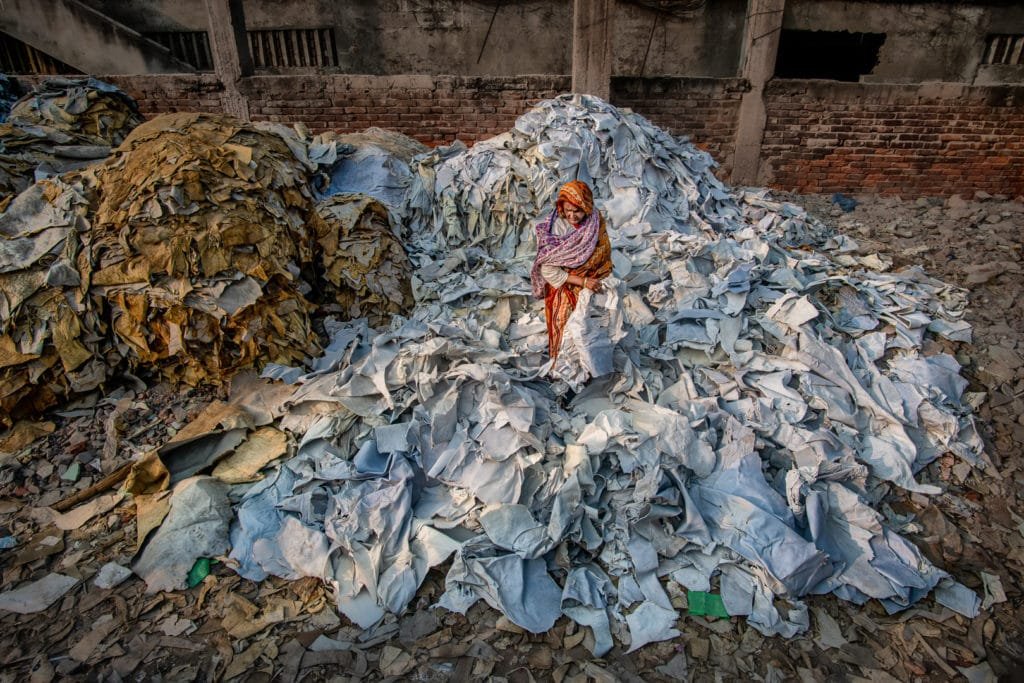

Fast fashion has made trendy clothing affordable and accessible, but the environmental price is rising. From excessive water use to toxic chemical pollution, the industry’s rapid production cycle is straining natural resources. In India, even Tier 2 cities are seeing increased demand for cheap apparel, highlighting how consumer choices contribute to global ecological challenges while also shaping local waste management and textile recycling issues.
Environmental Impact of Mass Production
The fast fashion model relies on producing large volumes of clothing quickly, often using synthetic fibers like polyester. These materials are non-biodegradable and release microplastics into waterways during washing. Textile dyeing and finishing processes also consume vast amounts of water and release harmful chemicals into rivers, affecting both ecosystems and local communities.
Resource Overuse and Waste Generation
Cotton, a primary material in many garments, requires heavy irrigation, pesticides, and fertilizers. The sheer scale of production leads to overuse of farmland and contributes to soil degradation. Additionally, discarded clothing piles up in landfills, with much of it non-recyclable, creating long-term environmental hazards and increasing urban waste challenges in smaller cities.
Consumer Awareness and Sustainable Alternatives
Awareness about the environmental cost of fast fashion is growing. Indian consumers, even in smaller towns, are gradually embracing sustainable alternatives such as thrift shopping, eco-friendly fabrics, and slower fashion cycles. Brands promoting transparency in sourcing and production are gaining traction, indicating a shift in public consciousness.
Conclusion
Fast fashion may be convenient and affordable, but its environmental toll cannot be ignored. Understanding the hidden costs and making mindful choices can help reduce pollution, resource depletion, and waste. Supporting sustainable practices is crucial not just for global ecosystems but also for the communities and cities directly affected by the fashion industry’s footprint.