
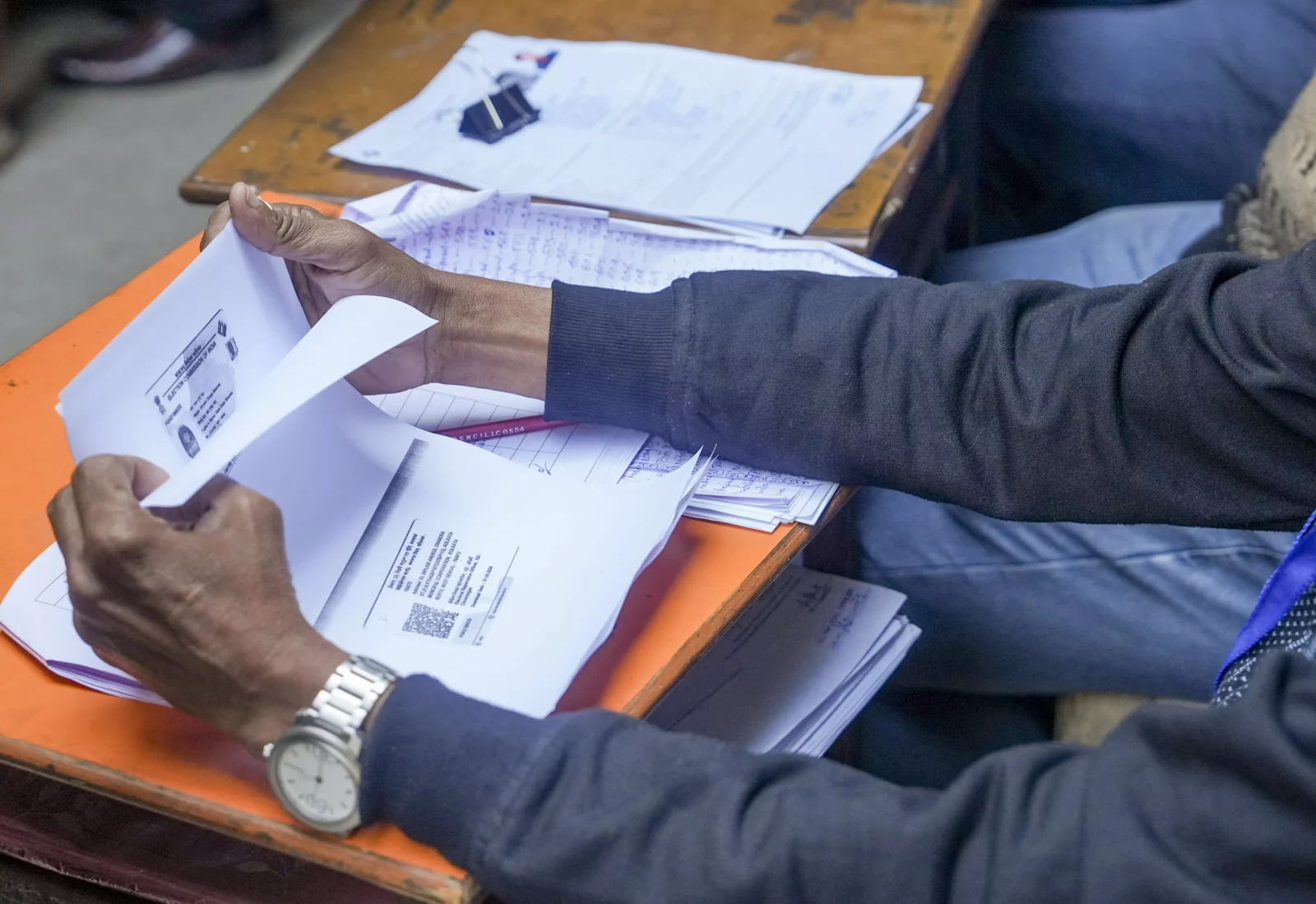

UP draft voter roll revisions are a time sensitive administrative process that directly affects voting eligibility in Tier 2 cities like Agra and Kanpur. Understanding who gets included or excluded and why is essential to avoid last minute surprises when the final electoral roll is published.
The draft voter list in Uttar Pradesh is released ahead of final publication to allow corrections, additions, and deletions based on recent verification drives. In large Tier 2 cities, rapid urban expansion, migration, and frequent address changes increase the likelihood of errors. These revisions decide which names appear on the final voter roll used during elections, making timely verification critical for residents.
Why Draft Voter Roll Revisions Matter in Tier 2 Cities
Tier 2 cities such as Agra and Kanpur face unique challenges during voter roll revisions. Population movement from rural areas, redevelopment of old neighborhoods, and expansion of city limits often lead to mismatches in voter data. Booth boundaries may change, polling parts may be reorganized, and addresses updated to reflect new municipal layouts.
Draft revisions are the only official window for citizens to flag mistakes. Once the final roll is published, names missing from the list usually cannot be added until the next revision cycle. For urban voters who assume continuity from previous elections, this creates a risk of disenfranchisement if details are not verified.
Inclusion and exclusion decisions during this stage are based on structured rules, not discretion, which makes awareness and action essential.
Who Is Likely to Be Included in the Draft Revisions
Inclusions in the draft voter roll primarily cover first time voters who have turned 18, residents who applied for new registration, and voters who shifted residence within the city. Students, newly married women, and migrant workers returning to the city are common inclusion categories.
In cities like Agra and Kanpur, many inclusions come from newly developed colonies and apartment complexes that were not mapped in earlier electoral rolls. Booth level verification drives aim to capture these changes, but gaps still occur.
Applicants who submitted complete forms with valid age and address proof during the revision period are usually included. However, inclusion in the draft does not guarantee appearance in the final roll unless details are verified and approved.
Common Reasons for Exclusions from the Draft Roll
Exclusions are a major concern during draft revisions. Names may be removed due to reported death, permanent relocation, duplicate registration, or non traceability during field verification. In urban settings, locked houses and unavailable residents during surveys often lead to temporary exclusions.
Another common reason is duplication. Voters who shifted cities but did not formally delete their previous registration risk removal from one or both locations. In Tier 2 cities with high rental populations, address mismatch is a frequent trigger for exclusion.
Importantly, exclusion at the draft stage does not mean permanent deletion. Affected voters can file objections and request restoration within the stipulated period.
What Agra and Kanpur Voters Should Check Carefully
Voters should not only check whether their name appears but also verify accuracy of details. Age, gender, address, and polling station information must be correct. Even small spelling errors can create problems on polling day.
Polling station changes are common after ward reorganization. Voters may find their booth shifted to a different location even if their name remains on the list. This is particularly relevant in densely populated urban wards.
Families should also check entries of elderly members who may not have been available during verification drives. Proactive checking prevents accidental deletion.
How to Respond If Your Name Is Missing or Incorrect
If a voter’s name is missing from the draft roll, an objection or claim must be submitted within the correction window. This process allows re inclusion with supporting documents. Timely response is critical, as late submissions are not entertained.
For incorrect details, correction requests should be filed immediately. Address updates within the same constituency are simpler than inter constituency transfers, but both are permitted during the draft phase.
Keeping acknowledgment numbers and tracking status ensures follow up if verification teams seek clarification. Silence or delay during this stage often results in rejection.
Impact of Draft Revisions on Urban Voting Patterns
Draft voter roll revisions influence turnout and representation in Tier 2 cities. Inaccurate rolls disproportionately affect migrants, renters, and low income groups who move frequently. Ensuring inclusion improves the credibility of the electoral process.
In cities like Kanpur with large industrial and informal workforces, roll accuracy determines whether workers can participate in elections despite mobility. Similarly, in heritage zones of Agra, redevelopment often changes address structures, making revisions more complex.
Active participation by voters strengthens roll quality and reduces disputes during elections.
What to Do Before the Final Roll Is Published
The period between draft release and final publication is limited. Voters should act early rather than waiting until deadlines approach. Early action allows time to correct errors or resubmit rejected claims.
Community groups, resident welfare associations, and families should encourage collective checking. One verified voter often helps others identify issues, especially among elderly or digitally inactive residents.
Once the final roll is published, options become limited, making the draft phase the most important checkpoint.
Takeaways
Draft voter roll revisions decide who can vote in upcoming elections
Tier 2 cities face higher error risk due to migration and urban expansion
Inclusion or exclusion at draft stage can still be corrected if acted upon quickly
Verifying polling station details is as important as checking name inclusion
FAQs
Can my name be removed even if I voted in the last election?
Yes, prior voting does not guarantee inclusion if verification issues or data mismatches occur.
What is the most common reason for exclusion in cities like Agra and Kanpur?
Non traceability during field verification and address mismatch are common reasons.
Can excluded names be restored during the draft stage?
Yes, objections and claims allow restoration if submitted within the correction window.
Should tenants and migrants check the draft roll every year?
Yes, frequent movers should verify their status during every revision cycle.