
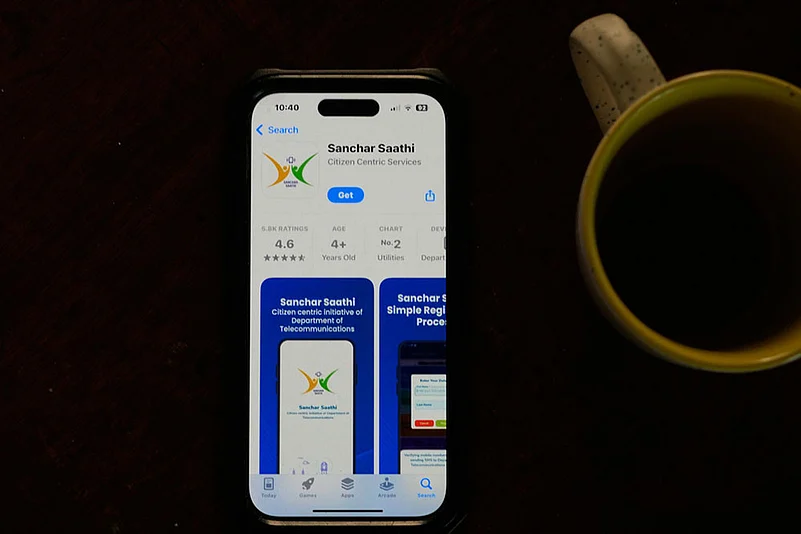

Young Indians and digital privacy are at the centre of national conversation after the repeal of the Sanchar Saathi pre installation mandate. For Gen Z phone users who live almost entirely through digital identities, the reversal reinforces control, transparency and autonomy over personal data in a rapidly evolving tech ecosystem.
Why Gen Z reacted strongly to the pre installation debate
Gen Z users in India manage education, work, payments, entertainment and social identity through their smartphones. Any mandated app raises questions about what data it collects and whether it can be removed. The Sanchar Saathi debate triggered concerns that compulsory system level apps could set a precedent for deeper access into personal devices. Even if the app’s purpose was legitimate, the idea of mandatory inclusion conflicted with Gen Z expectations of digital independence.
This generation is more informed about privacy features than previous cohorts. They follow global discussions on app permissions, data portability and algorithmic transparency. The reversal reassured young users that digital governance in India still respects voluntary adoption. It also highlighted that user sentiment is shaping how digital public tools are rolled out.
How the repeal strengthens consent based digital rights
India’s data protection framework emphasises clear, informed consent. Mandatory preinstallation complicates this because users encounter the app before they can choose to download it. Gen Z sees consent as a fundamental right, not a formality. The repeal aligns device level practices with broader data protection norms by ensuring that apps handling sensitive information are installed only through explicit user action.
This shift reinforces transparency. When users install apps voluntarily, they review permissions, understand features and can uninstall later. Forcing apps onto new devices removes that choice. Repealing the mandate signals that user rights remain central in policy decisions involving personal technology.
Why Gen Z prioritises device hygiene and app control
Young users often manage dozens of apps for studies, payments, travel and gig work. They value devices that remain clean, customisable and free from bloatware. Preinstalled apps affect performance, storage and user interface. They also raise concerns about whether data is being collected in the background.
The repeal matters because it strengthens user expectations that phones should not include unremovable apps beyond essential system functions. Many Gen Z users already scrutinise permission dashboards, disable tracking features and use inbuilt privacy tools. The ability to control installations is part of maintaining device hygiene. The reversal protects this behavioural norm.
How the mandate debate increased privacy awareness among youth
The controversy served as an unplanned digital literacy moment. Young Indians discussed topics like system apps, background permissions, device identifiers and government digital policies. Many realised how little they engage with privacy settings until issues arise. Colleges, online communities and creator channels began explaining how smartphone governance works.
This increased awareness benefits users long term. It encourages Gen Z to pay attention to what apps access contacts, location, microphone or SMS. It also motivates them to understand how public digital infrastructure works and where boundaries between regulation and user rights should be drawn.
Why the reversal affects trust in digital public tools
Government backed apps become more successful when trust drives adoption. Mandating installation risks being interpreted as enforcement rather than service delivery. Gen Z prefers opt in models because they allow evaluation based on features and experience. Popular apps like UPI platforms grew on trust, not compulsion.
The repeal helps maintain this trust. It signals that digital tools must earn user confidence through design and usability instead of policy directives. This is crucial at a time when India is expanding digital public infrastructure for safety, payments, health and mobility. Gen Z acceptance can determine the success of these initiatives.
Impact on smartphone brands and how Gen Z buys devices
Gen Z is a discerning consumer segment. Mandates that restrict app control could influence their purchase choices. Many prefer clean software builds with minimal preinstalled content. If brands were forced to include compulsory apps, it could have affected user sentiment, particularly among budget segment buyers who have limited storage.
The repeal protects the competitive advantage of brands that market clean Android experiences. It also prevents fragmentation in device software builds. This stability benefits all users, but especially Gen Z, who frequently switch devices and rely on predictable onboarding processes.
Why young users associate privacy with identity, safety and autonomy
For Gen Z, privacy is no longer about secrecy. It is about agency. Their online behaviour shapes friendships, career opportunities, political awareness and social interactions. Any tool that gains access to device level permissions intersects with personal identity. The debate around Sanchar Saathi surfaced fears that young users could lose control over how data trails are created and interpreted.
The repeal restores confidence that personal devices remain personal. It reinforces the idea that technology should enhance autonomy, not limit it. This matters in a demographic that values freedom of expression, secure communication and independence from unnecessary oversight.
How the debate could influence future tech policies
Policymakers will likely adopt more consultative and voluntary frameworks when designing digital public tools. The strong youth response highlighted the importance of user experience in governance. Future policies may include clearer privacy disclosures, phased rollouts, optional onboarding and public feedback mechanisms.
Gen Z becomes a significant stakeholder in these discussions as they represent the largest digital native demographic. Their expectations will shape how India balances security needs with individual rights in upcoming regulations.
Takeaways
The repeal reinforces consent and strengthens user autonomy in device usage
Gen Z values control, clean software experiences and transparent digital tools
The debate increased privacy awareness and scrutiny of app permissions
Future tech policies may adopt more user centric and voluntary frameworks
FAQs
Does the repeal mean the app is unsafe
No. The repeal concerns compulsion, not app security. Users can still download it voluntarily.
Why does Gen Z care so much about preinstalled apps
Because preinstalled apps affect autonomy, permissions and device cleanliness, all central to Gen Z digital habits.
Will this influence future smartphone policies
Yes. It sets a precedent that user consent will remain important in device level regulations.
Does the repeal improve privacy protections for everyone
Yes. It ensures that sensitive digital tools align with voluntary, consent based installation norms.