
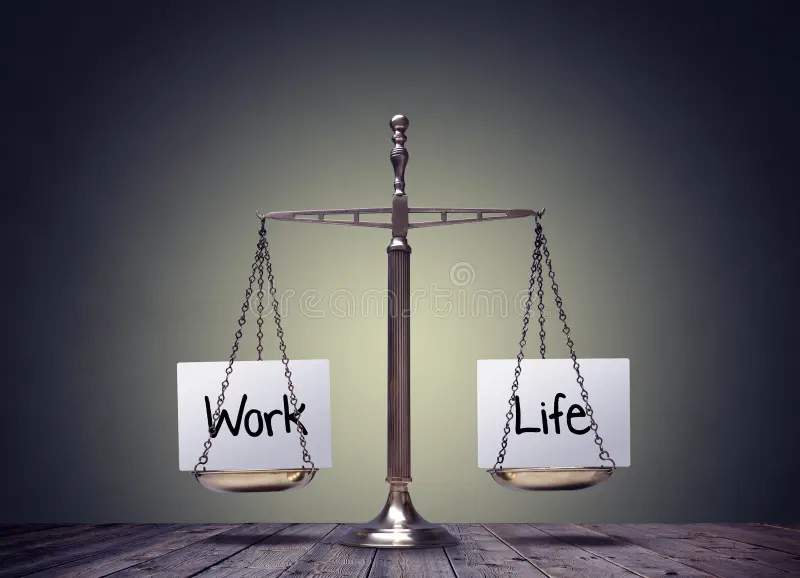

Work-life balance is often discussed as an ideal goal, but understanding its practical realities is essential for professionals and students in India, including those in Tier 2 cities. Achieving balance does not mean equal time for work and personal life every day but finding a sustainable rhythm that supports productivity, well-being, and personal fulfillment. Misconceptions about perfect balance can create unnecessary stress and unrealistic expectations.
One common myth is that work-life balance requires strict separation between professional and personal life. In reality, flexibility and integration often work better, allowing individuals to adjust priorities and manage responsibilities efficiently. Planning and time management help create a rhythm that accommodates work, family, and personal growth.
Technology both aids and challenges balance. While digital tools allow remote work and flexible schedules, constant connectivity can lead to burnout if boundaries are not set. Professionals must learn to disconnect deliberately to maintain mental and physical health.
Organizations and individuals play a role in fostering balance. Companies can support flexible policies and wellness initiatives, while individuals must practice self-care, set priorities, and communicate boundaries clearly. Mindfulness, exercise, and hobbies contribute to sustaining energy and focus.
Work-life balance is a dynamic, personal process rather than a fixed state. By understanding the myths, adopting realistic strategies, and maintaining flexibility, individuals can achieve fulfillment, productivity, and long-term well-being in both professional and personal spheres.