
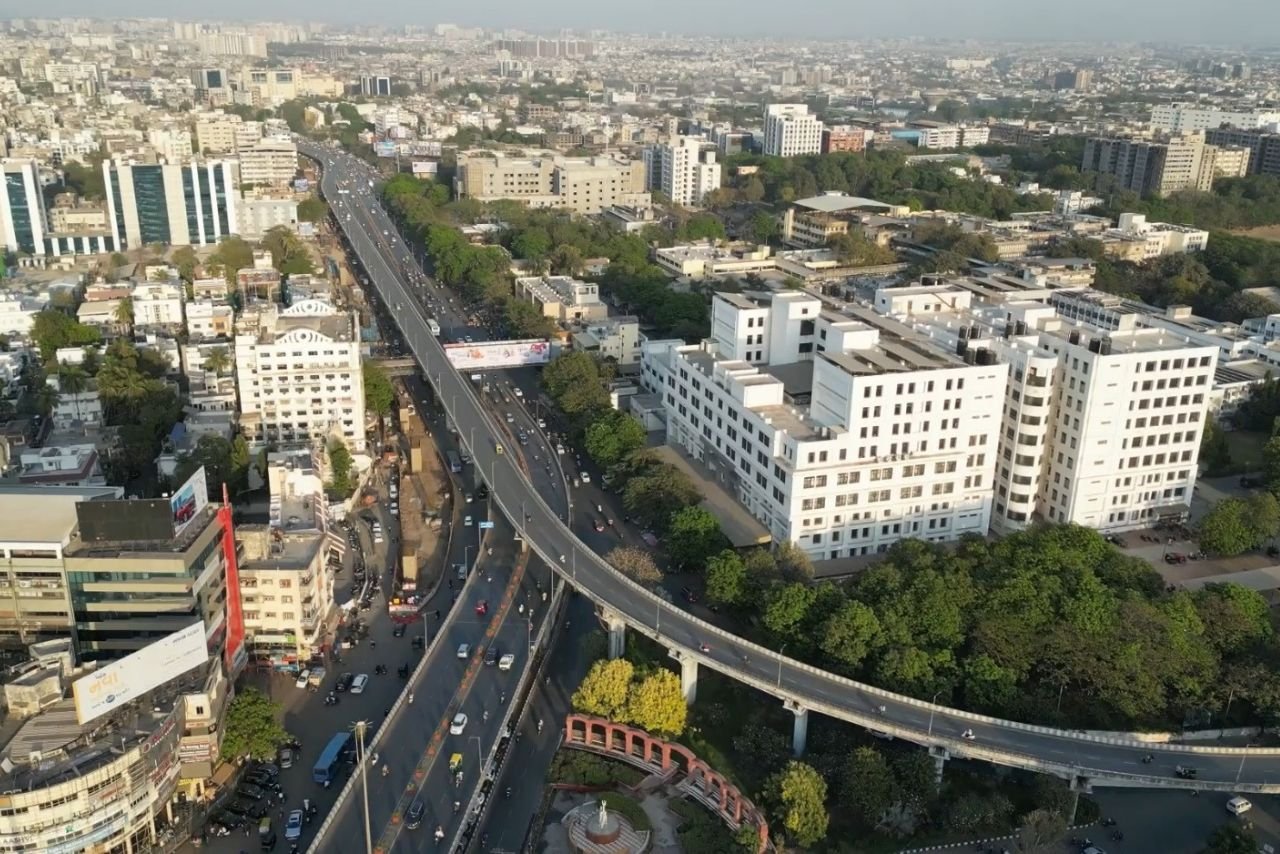

First time home buyers in 2025 are increasingly choosing Tier 2 and Tier 3 Indian cities for affordability, space and better overall value. The main keyword, affordable choices Tier 2 Tier 3 cities, reflects a structural shift driven by changing work patterns, infrastructure expansion and rising metro costs.
Why affordability is shifting buyers beyond metros
Secondary keyword: property prices smaller cities
Property prices in metros have climbed faster than income levels, making ownership difficult for first time buyers. In cities like Mumbai, Bengaluru or Delhi NCR, entry level housing often requires high down payments and long EMIs.
In contrast, Tier 2 and Tier 3 cities offer significantly lower price points. A buyer who can only afford a one bedroom apartment in a metro might find a two or three bedroom home with amenities in non metro regions. This direct value comparison is pushing a growing share of first time buyers to consider smaller cities where their budgets go further without compromising on quality or long term growth potential.
The role of infrastructure upgrades in smaller cities
Secondary keyword: infrastructure expansion India
Over the past few years, many smaller cities have seen rapid improvements in road networks, public transport links, airports and utilities. These upgrades reduce travel time and bring Tier 2 and Tier 3 towns closer to major economic hubs.
Improved infrastructure supports new schools, hospitals, retail spaces and business centres. As civic facilities strengthen, the quality of life gap between metros and smaller cities narrows. For first time buyers, this means they can invest in more liveable neighbourhoods without the congestion and overcrowding seen in metros.
Lifestyle value and spacious living for new buyers
Secondary keyword: spacious homes non metros
Space has become a priority for new buyers, especially young couples working hybrid jobs or families seeking more breathing room.
Tier 2 and Tier 3 cities allow buyers to prioritise larger homes with balconies, open areas and community amenities. Builders in these regions also offer township style developments with parks, recreation zones and shared facilities. These features are difficult to find in metro markets at a similar budget.
As preferences shift toward better living standards and long term family planning, spacious homes in smaller cities become a practical and appealing choice.
Changing work patterns and hybrid job models
Secondary keyword: remote work real estate
Hybrid and remote work have changed housing demand. With fewer employees required to stay near large office hubs, buyers can relocate to cities that offer lower costs and better living environments.
Professionals working in IT, design, finance support and digital services find that smaller cities still provide reliable connectivity and workspace options. This shift reduces pressure on metro markets and gives Tier 2 and Tier 3 cities a natural advantage for home buyers who want affordability without sacrificing productivity.
Rise of local job creation and commercial activity
Secondary keyword: economic growth smaller cities
Many smaller cities are developing new industrial corridors, business parks and service hubs. As sectors like manufacturing, logistics, consulting and healthcare grow, job creation spreads across the country instead of concentrating in metros.
Home buyers increasingly prefer living close to emerging job centres in towns like Indore, Lucknow, Coimbatore, Surat, Nagpur, Jaipur or Visakhapatnam. These locations now offer stable income opportunities combined with reasonable housing costs.
Younger buyers driving demand for modern projects
Secondary keyword: youth home buyers 2025
Young professionals are driving home buying demand earlier than previous generations. More of them prefer purchasing property instead of renting in expensive metros.
Builders targeting this demographic in smaller cities offer smart home features, energy efficient designs, clubhouses and work from home friendly layouts. This aligns with the expectations of first time buyers who want modern amenities without premium metro pricing.
Long term appreciation potential
Secondary keyword: real estate growth 2025
While metros remain stable investment zones, their growth rates are slower due to saturation. Tier 2 and Tier 3 cities with expanding infrastructure and rising populations have stronger appreciation potential over the next decade.
Early home buyers in these cities benefit from lower entry costs and the likelihood of steady value increases as the regions develop. This makes smaller cities attractive for investors and end users seeking both utilisation and long term gains.
Takeaways
Tier 2 and Tier 3 cities offer affordable homes with larger spaces and better value
Infrastructure upgrades and hybrid work models make smaller cities viable for first time buyers
Local job creation and modern projects attract young home buyers in 2025
Lower entry costs combined with appreciation potential strengthen these markets
FAQ
Q. Why are smaller cities becoming preferred for first time buyers?
A. Affordability, better space, improved infrastructure and evolving work models make them more practical than metros.
Q. Are job opportunities limited in Tier 2 and Tier 3 cities?
A. No. Many smaller cities are seeing growth in manufacturing, services, tech support and logistics, improving employment prospects.
Q. Do smaller cities offer modern housing projects?
A. Yes. Builders are launching township style and amenity rich projects designed for young buyers and families.
Q. Will property prices in these cities appreciate in the long run?
A. With continued infrastructure expansion and rising demand, long term appreciation potential remains strong.