
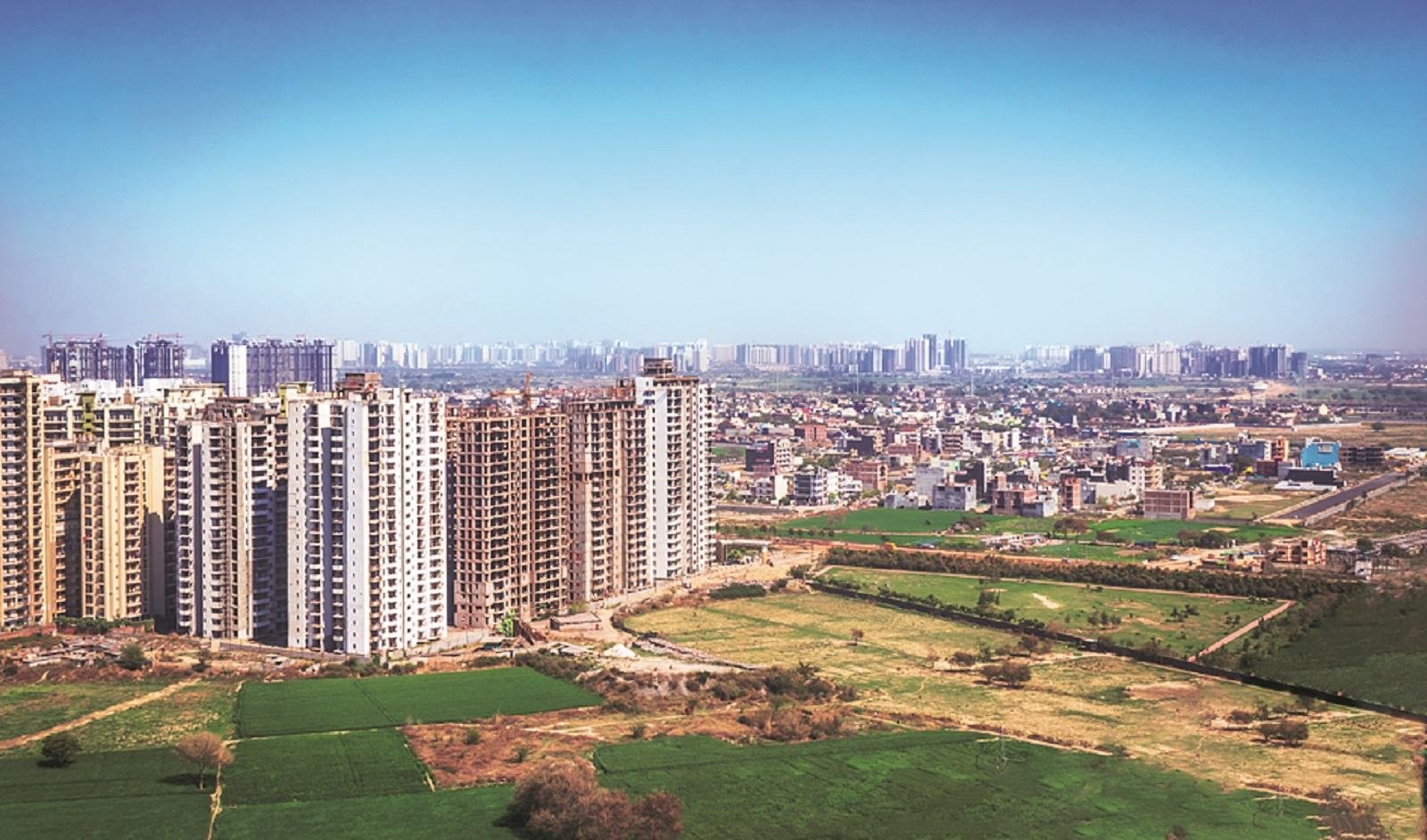

Smaller cities in India are increasingly outperforming major metros in real-estate growth. The main keyword—real estate Tier 2 Tier 3 gains—underlines how cities beyond the traditional metros are emerging hotspots, driven by affordability, infrastructure upgrades and shifting demand.
Why non-metro real estate is gaining momentum
Secondary keyword: emerging hotspots real estate India
Metro markets in India have long dominated real-estate headlines but are now showing signs of saturation in terms of affordability and growth potential. Meanwhile, Tier 2 and Tier 3 cities are registering higher growth rates in land acquisition, housing sales and developer investment. For instance, more than 40 % of land acquired by major developers in 2024 was in these smaller cities.
These cities offer a combination of lower land cost, rising local incomes, less competition and strong demand from first-time buyers and return migrants. Professionals working in remote/hybrid models prefer more space and better value outside metros, boosting demand in non-metro markets.
Infrastructure, job creation and migration trends
Secondary keyword: infrastructure job growth smaller cities
Growth in infrastructure is a major catalyst. Many Tier 2 and Tier 3 centres are seeing new expressways, metro-rail corridors, smart-city projects and industrial parks. Improved connectivity to metros and regional hubs means these cities are no longer peripheral.
Additionally, employment creation in services, manufacturing and IT is shifting inward. As jobs decentralise, workers locate closer to new offices in smaller towns — pushing residential demand. This connection between jobs, infrastructure and housing is what makes these cities true emerging hotspots.
Affordability and changing buyer preferences
Secondary keyword: homebuyer demand non metros
Affordability remains a key driver. In metro cities, high prices discourage middle-income buyers; in smaller cities the same income can buy much larger homes. This appeals to families seeking three or four-bedroom units with amenities previously available only in metros.
Developers are responding with projects aimed at Tier 2/3 markets: gated townships, mixed-use developments, and amenities like co-working spaces and community centres. Buyers are ready to pay a premium for liveability rather than just location prestige.
Risks, liquidity and developer mindset
Secondary keyword: real estate risks smaller cities
While growth is promising, smaller-city real-estate markets carry risks. Liquidity tends to be lower versus metros—fewer buyers at the higher end and slower resale markets. Developer capacity might be weaker, approvals slower and infrastructure rollout delayed.
Investors and home-buyers must check local factors: connectivity to major nodes, quality of civic services, developer track record and long-term demand drivers like employment growth or institutional presence.
What this means for investors and homeowners
Secondary keyword: investment potential Tier 2 Tier 3
For investors, smaller cities present significant upside: lower entry cost, potential for higher appreciation and rental yields as demand grows. Home-buyers gain better living standards, more space and higher value for money.
Home-buyers also gain from the growth of education, healthcare and retail in these cities—factors that push both occupancy and resale value. For example, a city adding a new university or hospital often sees surrounding housing markets rise.
Emerging city examples and trend indicators
Cities such as Coimbatore, Visakhapatnam, Lucknow, Jaipur and Indore are cited as turning into real-estate hotspots. Land deals, township launches and infrastructure announcements in these cities reflect a clear shift of real-estate gravity from metros to smaller cities.
Key indicators to watch include: increase in registered sales, large-scale project launches, improved transport links (airport expansion, expressways), and influx of corporate or institutional investment.
Takeaways
Tier 2 and Tier 3 cities are becoming real-estate growth engines, outperforming traditional metros
Infrastructure upgrades, job creation and remote-work trends are major demand drivers
Affordability and liveability are attracting both home-buyers and investors to smaller cities
Risks in smaller-city markets remain (liquidity, approvals, developer quality) and require due diligence
FAQ
Q. Are Tier 2 and Tier 3 cities really outperforming metros in property gains?
A. Yes. Data shows a higher proportion of land acquisition and housing sales growth in smaller cities compared to metro areas, driven by growth in new demand and developer focus.
Q. What should a home-buyer look for in a smaller-city property market?
A. Connectivity (road/rail), presence of jobs or educational institutions, developer strength, local amenities and clear title/approvals. These factors determine quality and future value.
Q. Is investing in real-estate in smaller cities riskier than in metros?
A. It can be. While growth potential is higher, resale liquidity, infrastructure roll-out and developer track-record may be weaker. Investors should evaluate local conditions carefully.
Q. Will metros stop being relevant for real-estate investment?
A. Not necessarily. Metros will remain premium and stable but growth may be slower. Smaller cities are becoming complementary markets offering value and upside rather than replacing metros entirely.