
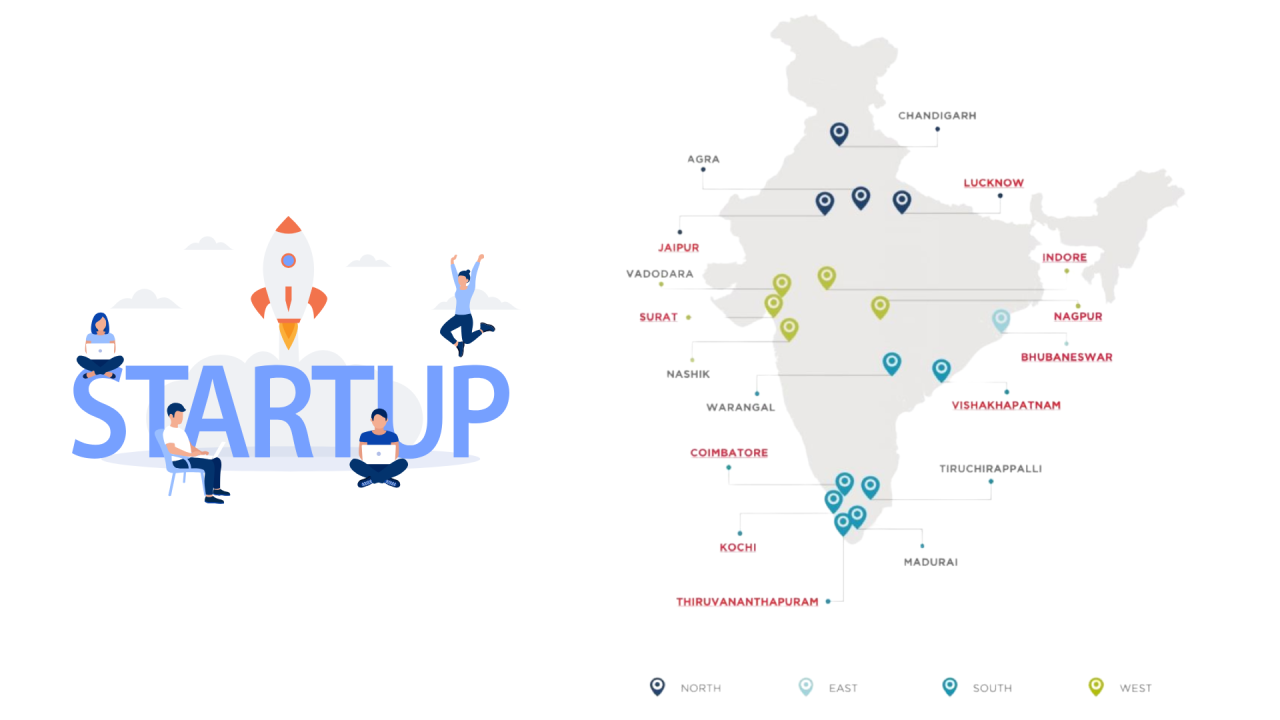

The state wise startup landscape in India’s Tier 2 towns is evolving quickly as funding, talent and digital adoption spread beyond metros. The main keyword startup landscape Tier 2 India frames a clear informational intent focused on understanding where investment is flowing and which gaps still limit growth across states.
This topic is evergreen but tied to current ecosystem shifts, so the tone is analytical with structured insights.
Why Tier 2 startup ecosystems are expanding across multiple states
Tier 2 cities are benefiting from improved infrastructure, lower operating costs and stronger state level support. Cities like Coimbatore, Indore, Kochi, Jaipur, Nagpur, Bhubaneswar, Guwahati and Lucknow now host incubation centres, university led innovation labs and state backed investment programs.
Startups in these regions operate in sectors aligned with local strengths: manufacturing services, enterprise tech, agritech, healthtech, mobility, D2C brands and logistics. Funding levels are still lower than metros, but investors increasingly scan Tier 2 clusters for cost efficient and niche driven companies.
As state governments recognise the economic potential, many have rolled out policies that encourage incorporation, early stage grants and subsidised training. However, funding access and market depth vary widely between states.
Tamil Nadu and Karnataka Tier 2 belts: strong talent and early product adoption
In Tamil Nadu, cities like Coimbatore, Trichy and Madurai lead with engineering talent, strong textile clusters and manufacturing SMEs. Startups benefit from university partnerships, maker labs and proximity to industrial clients. Funding flows mainly to SaaS, automation tools, EV components and D2C brands.
Karnataka’s Tier 2 cluster spans Mysuru, Hubballi and Mangaluru. While Bengaluru remains the centre, these cities attract state backed incubation and corporate accelerators. Healthtech, clean energy and logistics startups scale faster here due to steady enterprise demand.
The gap in both states is growth capital. Seed funding is easier to secure, but Series A and beyond require metro networks, forcing founders to relocate or raise from outside.
Maharashtra, Gujarat and MP: manufacturing heavy Tier 2 hubs with enterprise buyers
Maharashtra’s Nagpur, Nashik and Aurangabad showcase strong industrial bases and logistics connectivity. These cities attract startups in SaaS for manufacturing, fleet management, D2C food and regional fashion. Investors favour companies with enterprise clients rather than pure consumer plays.
Gujarat’s Surat, Vadodara and Rajkot benefit from textile, petrochemical and engineering clusters. Startups here align with industrial automation, IoT, quality inspection and chemical logistics. Funding is improving due to local angel networks, but tech talent availability remains a challenge.
Madhya Pradesh’s Indore is now among India’s fastest growing Tier 2 startup hubs with strong digital adoption, foodtech success stories and fintech experimentation. The state government offers aggressive support, but investor depth is still thin compared to western states.
Uttar Pradesh, Rajasthan and Punjab: consumer markets with rising D2C and digital services
UP’s Tier 2 cities like Lucknow, Kanpur and Varanasi host vast consumer markets. D2C brands, edtech and fintech find strong traction. The state’s startup policy offers grants and incubator support, pushing more early stage activity. The main gap is founder exposure to scaled ecosystems.
Rajasthan’s Jaipur, Udaipur and Kota show strong D2C fashion growth and education linked innovation. Angel investment is rising but long term capital and deep tech expertise are limited.
Punjab’s Chandigarh, Ludhiana and Jalandhar lead in manufacturing and lifestyle categories. Sports equipment, apparel, food processing and SME tech tools originate here. Funding gaps revolve around early ecosystem density and limited specialised venture funds.
Kerala, Telangana and Odisha: niche sector strengths with ecosystem stability
Kerala’s Kochi, Kozhikode and Thrissur emphasise healthtech, marine tech, agritech and sustainable products. The state’s structured incubation network supports consistent startup formation. Funding flows are stable but moderate because markets outside the state must be reached for scale.
Telangana’s Warangal and Karimnagar benefit from Hyderabad spillover. Agri analytics, automation and edtech solutions emerge steadily. The gap is retention of technical talent that prefers moving to Hyderabad.
Odisha’s Bhubaneswar, Rourkela and Sambalpur show growing activity in IT services, agritech and minerals linked solutions. Government support is high, but investor presence remains limited, forcing startups to raise from other states.
Northeastern states: emerging but high potential Tier 2 clusters
Guwahati, Shillong and Imphal are becoming important nodes for food processing, tourism tech, logistics and local crafts based D2C brands. State governments offer strong grants and incubation support.
However, gaps include limited startup density, fewer local investors and logistic constraints for nationwide distribution. Still, early mover advantage is high and digital adoption is accelerating quickly.
Key gaps that still restrict Tier 2 startup growth
Despite momentum, Tier 2 towns face structural gaps. The biggest is follow-on funding. Many startups secure seed rounds but struggle to scale due to lack of Series A investors familiar with regional markets.
Talent mobility is another constraint. While engineering talent exists, product managers, brand leaders and senior tech architects are concentrated in metros.
Market access is uneven. Enterprise buyers in Tier 2 cities respond slower to new tools, extending sales cycles. Consumer businesses must spend more on marketing to break regional boundaries.
Additionally, founder exposure to global and national networks is lower, impacting speed of iteration and scale.
What states and founders can do to strengthen Tier 2 ecosystems
States can improve density by supporting local venture funds, building deeper professional networks and attracting accelerators with national reach.
Founders can partner with metro based companies for distribution, participate in national startup programs and leverage remote talent. Building capital efficient products and strong unit economics helps overcome funding constraints.
Cross state collaboration between Tier 2 hubs can also unlock new customers and shared learning.
Takeaways
Funding is rising across Tier 2 cities but follow-on capital remains a gap
States with strong industrial clusters show faster enterprise adoption
D2C, automation, agritech and SaaS lead sector growth in smaller towns
Talent depth, investor density and nationwide market access require continued strengthening
FAQs
Which Tier 2 cities attract the most startup funding today?
Indore, Coimbatore, Jaipur, Kochi, Surat and Nagpur lead due to strong ecosystems, state support and industrial demand.
What sectors work best in Tier 2 towns?
D2C brands, enterprise SaaS, logistics tech, automation tools, agritech, healthtech and education linked solutions show consistent traction.
Why do founders still shift to metros?
Mainly for investor access, senior talent and larger customer bases. Many hybrid models now minimise the need for relocation.
How can Tier 2 startups overcome funding gaps?
By building capital efficient businesses, joining national accelerators, tapping local angel networks and expanding into cross state markets early.