
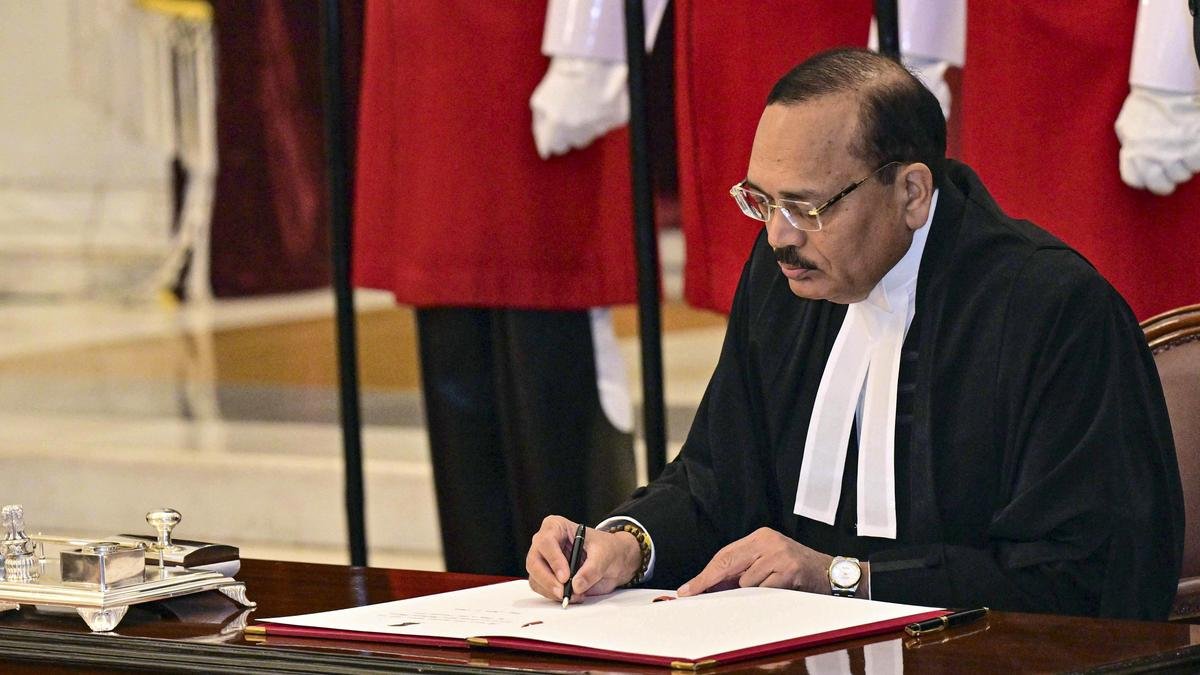

The appointment of Surya Kant as Chief Justice has renewed attention on the state of legal access in India’s small cities, where case delays, limited judicial infrastructure and low digital readiness continue to challenge citizens. His elevation is a news development, and its implications are best understood through a fact driven, systems oriented lens.
With Surya Kant taking charge, discussions have intensified around speeding up case disposal, expanding virtual court coverage and improving district level judicial capacity. His background includes long experience across high courts and administrative roles, which positions him to influence reforms that directly touch Tier 2 and Tier 3 justice delivery. The central question is how leadership at the top can translate into measurable improvement at the lower court level where most citizens interact with the legal system.
Why leadership matters for lower court reform
The Chief Justice’s policy direction matters because nearly 85 percent of India’s pending cases are in district courts. Small cities carry the highest backlog relative to their judge strength. Many districts face infrastructure gaps, limited courtrooms, insufficient staff and outdated manual systems. These issues create long wait times for litigants who already deal with travel costs and procedural complexity.
Surya Kant has previously advocated for stronger case management systems and time bound processes. If similar priorities guide his tenure, small cities could see improvements in how cases are classified, monitored and scheduled. Better administrative focus from the top often helps streamline subordinate court practices, particularly in states where coordination remains uneven.
Expansion of virtual courts and digitisation in Tier 2 and Tier 3 regions
Virtual hearings became a critical tool during the pandemic but their adoption remains inconsistent across districts. Urban courts moved faster, while smaller cities struggled with connectivity, hardware shortages and staff training gaps. A renewed push for hybrid hearings could reduce travel for litigants, especially those attending routine hearings.
If the judiciary under his leadership expands e filing, virtual courtrooms and digital document access uniformly, it would reduce the burden on litigants who currently rely on local agents to file paperwork physically. Many small city lawyers have adapted to video hearings, but need stable platforms and predictable schedules for virtual sessions. Consistent digital policy from the top can help bridge this gap.
Strengthening judicial infrastructure and judge availability
District courts in smaller cities often work with fewer judges relative to caseload. This shortage increases adjournments and slows case progress. A Chief Justice’s administrative authority includes recommending judge appointments and accelerating recruitment processes within the system’s structure.
If recruitment timelines shorten and postings become more responsive to local caseload patterns, Tier 2 and Tier 3 courts will benefit directly. Infrastructure projects such as new court complexes, digital record rooms and upgraded facilities could also receive greater priority. Better physical and digital infrastructure improves the speed and predictability of hearings, which is essential for citizens seeking timely justice.
Improving access to legal aid and simplifying processes
Large parts of India rely on legal aid systems because private legal representation is costly. However, awareness and outreach are weak in smaller towns. Legal Services Authorities are present in every district, but their activity levels vary. A leadership push for standardised legal aid camps, digital help desks and simplified guidance material can reduce barriers for first time litigants.
Surya Kant has previously spoken about the need for justice to be accessible, not distant. If his approach translates into broader institutional focus, legal aid quality and accessibility could improve. Simplified procedures, clearer language in court orders and transparent timelines would help citizens navigate the system with fewer intermediaries.
Faster disposal of cases through structured case management
One of the most effective tools for improving judicial efficiency is structured case management, which ensures that both courts and lawyers follow time bound stages in a case. Some high courts have implemented pilot systems that track case timelines using digital dashboards. If these systems expand nationwide under coordinated leadership, small city courts could benefit significantly.
Systematic case tracking also helps reduce unnecessary adjournments. When all stakeholders know expected deadlines and consequences of delays, cases move faster. This reduces the economic and emotional cost of litigation for ordinary citizens.
What small city litigants can realistically expect
While top level leadership sets direction, reforms take time because India’s justice system is vast and structurally complex. Small city litigants should expect gradual improvement rather than sudden transformation. Positive changes often begin with better digital access, more predictable hearing dates and fewer procedural hurdles. Over the medium term, infrastructure upgrades and expanded judge strength could make district courts more efficient.
A Chief Justice with administrative experience and reform oriented thinking can influence these outcomes. Citizens should watch for policy notes, digitisation drives, staffing initiatives and improved coordination with state judiciaries, as these directly shape lower court functioning.
Takeaways
Leadership direction influences district court reform and efficiency
Digital adoption and virtual courts can reduce travel burdens in small cities
Recruitment speed and infrastructure upgrades are crucial for faster justice
Strengthened legal aid improves access for low income litigants
FAQ
Will the appointment immediately reduce case backlogs in small cities
Immediate results are unlikely, but administrative focus can accelerate long term backlog reduction. Improvements are usually gradual and policy driven.
Can virtual courts become a permanent option in smaller towns
Yes. With stable connectivity and proper scheduling, hybrid hearings can remain a regular feature and reduce unnecessary travel for routine matters.
How will judge appointments impact small city courts
Faster recruitment and better deployment help distribute caseload more evenly, which reduces delays at the district level.
Does leadership at the top really affect district courts
Yes. Policy priorities, digitisation programmes and staffing decisions at the national level influence how state and district courts operate.