
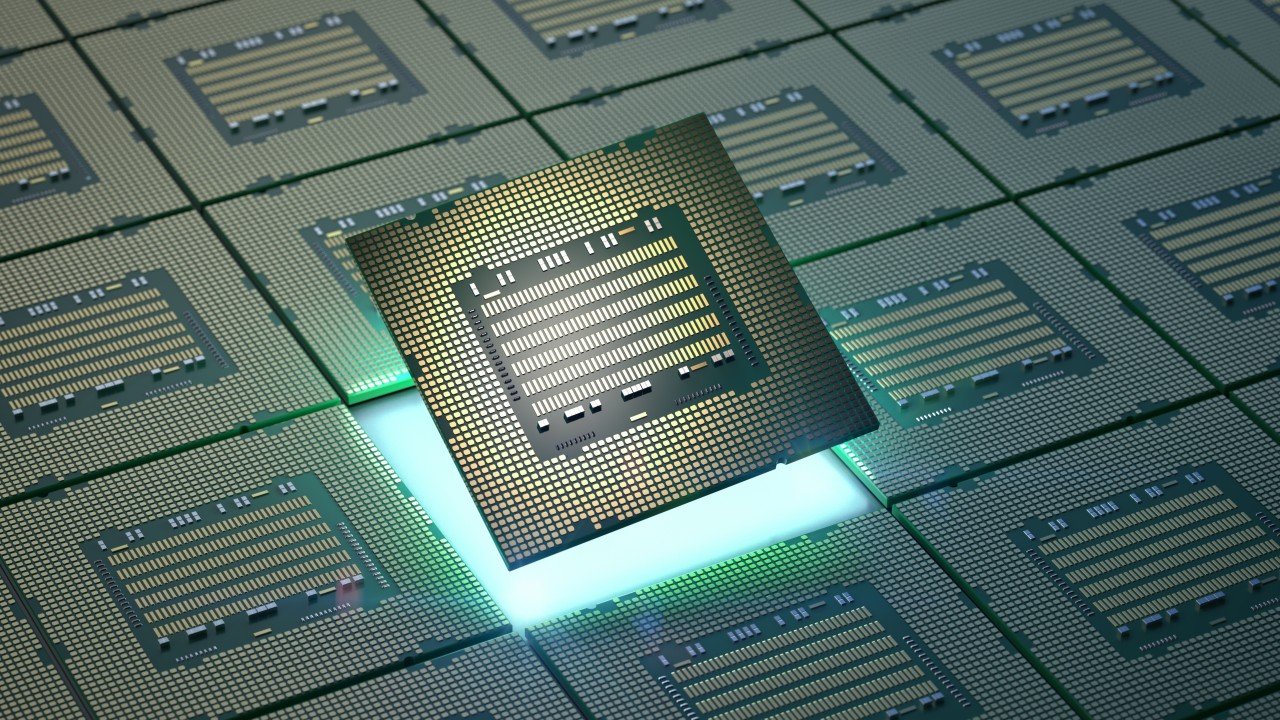

Semiconductors, solar and drone manufacturing hubs in small town UP are gaining national attention as India looks to expand advanced manufacturing beyond major metros. These emerging clusters could reshape next generation supply chains by decentralising production and creating new industrial capacity where it previously didn’t exist.
Why small town UP is becoming a focus for advanced manufacturing
Uttar Pradesh has aggressively pushed industrial expansion in smaller cities to attract high tech investment. Lower land costs, proactive state incentives and improving transport networks have brought semiconductor packaging units, solar component factories and drone assembly lines into districts that traditionally depended on agriculture or small scale industries. With India aiming to increase domestic production of critical technologies, these smaller hubs are becoming strategic pieces of the national supply chain. Their rise aligns with the country’s broader shift toward self reliance in key sectors.
How semiconductor units can transform local and national production networks
Secondary keyword: chip packaging ecosystem
While full scale semiconductor fabrication remains capital intensive, assembly, testing and packaging operations are achievable at regional levels. UP’s smaller industrial zones are seeing interest from firms building chip packaging and module assembly setups. These facilities supply components used in electronics, automotive systems, smart devices and industrial hardware. Locating such units in smaller towns reduces dependency on imports and shortens supply chains for Indian manufacturers. Local talent can be trained in cleanroom operations, quality control and equipment maintenance, creating a new layer of skilled employment outside established tech hubs.
Why solar manufacturing clusters matter for India’s energy economy
Secondary keyword: renewable supply chain
India’s solar capacity continues to expand, and the need for domestically produced panels, cells, inverters and mounting systems is increasing. Small town UP is emerging as a strong contender for hosting solar module assembly units and ancillary component factories. These clusters support national targets for renewable energy deployment by reducing import dependence on solar parts. Regional availability of solar components also makes it easier for state utilities and private installers to scale rooftop and utility level projects. As more solar infrastructure is deployed, demand for locally manufactured components strengthens long term job stability and revenue inflows.
How drone manufacturing in smaller towns supports India’s new aviation frontier
Secondary keyword: drone assembly growth
Drone use is rising across agriculture, logistics, mapping, security and disaster response. To support this growth, UP has promoted drone assembly parks in its smaller districts. These manufacturing units produce airframes, flight controllers, sensors and payload systems. Because drones require modular assembly, smaller towns can handle much of the production pipeline with the right training and quality standards. Localising drone manufacturing boosts availability for farmers, surveying companies and public agencies, enabling faster adoption of drone services at regional levels. The cluster effect can also attract component suppliers such as battery makers and sensor manufacturers.
Why supply chain decentralisation improves resilience for Indian industry
Secondary keyword: distributed production
India’s manufacturing base has been concentrated heavily in metros and coastal states. Disruptions such as logistics congestion, weather events or labour shortages often affect large clusters simultaneously. By decentralising into smaller towns in UP, supply chains become more resilient. Production is spread across multiple geographies, reducing risks associated with single point dependence. Distributed manufacturing also shortens freight routes for North and Central India, reducing transportation costs and improving delivery timelines for businesses operating in these regions.
Impact on local infrastructure and workforce development
Secondary keyword: skill creation
As high tech manufacturing clusters expand, local infrastructure improves accordingly. Better roads, dedicated power lines, training centres and industrial services evolve around these hubs. Technical institutes in UP’s smaller towns are updating their courses to include electronics manufacturing, mechatronics, solar system engineering and robotics. This alignment of academia and industry creates a continuous supply of job ready workers. Local youth gain access to high quality employment without migrating to metros, strengthening household incomes and reducing regional disparity.
Challenges UP must address to sustain long term growth
Secondary keyword: operational constraints
Despite strong momentum, infrastructural reliability remains a major concern. Semiconductor packaging facilities require uninterrupted power and controlled environments. Solar units need consistent supply of raw materials and strong logistics support. Drone plants need access to certified testing zones. Smaller towns must ensure dependable power, efficient freight corridors and streamlined regulatory processes to maintain investor confidence. Water availability, environmental compliance and skilled technician shortages also require close management as the clusters scale up.
How these hubs may influence India’s next generation supply chain strategy
Secondary keyword: strategic manufacturing
As semiconductor, solar and drone hubs mature, India’s supply chain strategy will increasingly include regional production nodes. This helps align national goals like reducing import reliance, boosting exports and creating high value jobs. Distributed hubs also encourage innovation ecosystems, where local startups and service providers support large manufacturers. Over time, smaller UP towns could become specialised zones feeding national and global markets with critical components. This shift marks a structural change in how advanced manufacturing is geographically mapped in India.
Takeaways
Small town UP is emerging as a strategic hub for advanced manufacturing
Semiconductor, solar and drone units strengthen domestic supply chains
Distributed production improves national resilience and reduces import dependence
Local talent development is key to sustaining long term industrial expansion
FAQs
Can smaller towns handle sophisticated semiconductor or drone manufacturing
Yes. While not suited for full scale fabrication, smaller towns can efficiently manage assembly, testing and module level production with proper training and infrastructure.
How does solar manufacturing in UP benefit India’s renewable sector
It reduces import reliance, cuts logistics costs and accelerates project deployment by improving access to domestically produced components.
Will these hubs create stable jobs for local youth
Yes. Both direct and indirect employment opportunities grow as clusters expand, supported by training programs and allied service industries.
What challenges could limit long term growth of these hubs
Power reliability, skilled manpower shortages, logistics issues and regulatory delays remain key risks that must be addressed proactively.