
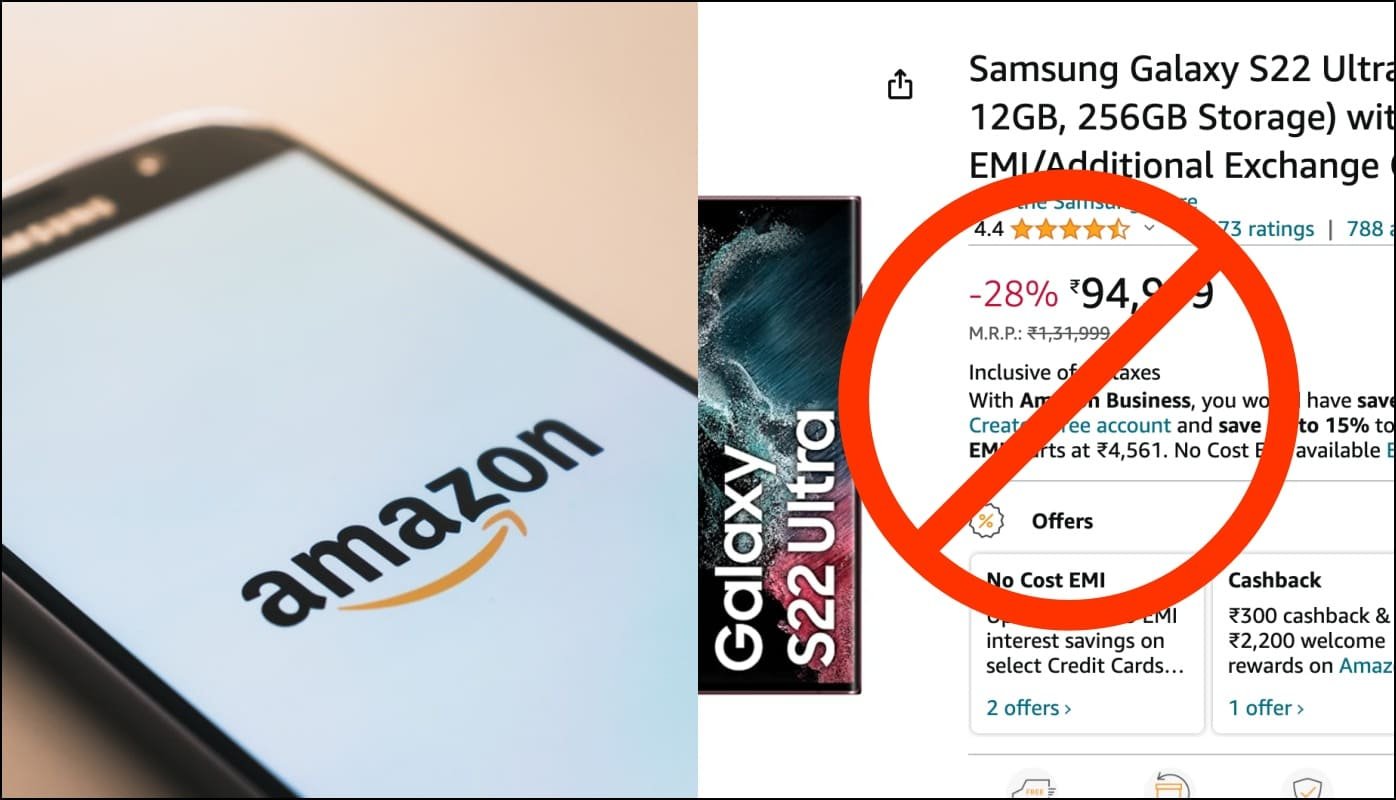

Fake online discounts and coupon offers can make an attractive deal look genuine when the real goal is to collect personal information, payment details or money. Knowing how to verify sellers, prices, links and payment requests can help shoppers avoid common online shopping scams.
Why Fake Online Discounts Are Becoming Harder to Spot
Fake online discounts often imitate genuine shopping deals. A message may claim that a popular product is available at an unusually low price, or that a limited-time coupon can provide a major discount. These offers can appear through social media, messaging apps, search results, emails and even advertisements.
The problem is not simply that a discount is unusually large. Genuine retailers regularly run seasonal sales, bank offers, clearance discounts and promotional campaigns. The warning signs usually appear when several suspicious elements are combined.
For example, a website may use a familiar-looking brand name but have a slightly different domain. A coupon page may ask users to provide excessive personal information before revealing the code. Another common warning sign is pressure to make an immediate payment through an unfamiliar link.
The safest approach is to verify the offer independently instead of trusting the message that brought you to it.
Check the Website Before Using a Coupon
The first step in checking an online discount is verifying the website.
Look carefully at the website address before entering your login information, card details or other personal data. Scammers can create websites that closely resemble legitimate shopping platforms, including similar logos, colours and product images.
A familiar brand name in the website address does not automatically prove that the site is genuine. Check the domain carefully for unusual spellings, extra words or unexpected domain extensions.
It is safer to reach a retailer through its official website or verified application rather than clicking a discount link received through an unsolicited message.
Consumers can also search for the same offer independently. If a supposed sale is genuine, the retailer’s official website, application or verified social media account may provide information about it.
Compare the Discount With the Actual Price
A large percentage discount is not necessarily a genuine saving.
Before using a coupon, compare the product’s current selling price across reliable retailers. Also check the product’s recent price history when such information is available.
Some sellers may advertise a product with a high “original” price and then apply a large discount to make the final price appear unusually attractive. The important figure for consumers is the actual amount they have to pay compared with the normal market price.
Check whether shipping charges, platform fees, convenience fees or other costs are added at checkout. A coupon offering 80 percent off may have a limited maximum discount or may apply only after the customer spends a specified amount.
The final checkout price is therefore more useful than the percentage shown in a banner.
Be Careful With Coupon Codes Shared on Social Media
Social media is one of the easiest places for fake offers to spread quickly.
A post may claim that a brand has released a special coupon exclusively for followers. It may then direct users to a shortened URL or another website to claim the discount.
This does not mean every social media offer is fraudulent. Established brands and retailers frequently promote legitimate offers on Instagram, Facebook, X and other platforms. The key is verifying whether the account is official and whether the same offer appears on the company’s recognised channels.
Be particularly cautious if a post asks you to share the offer with multiple contacts before receiving a coupon, or asks you to provide sensitive information to claim a discount.
A legitimate promotional campaign should not require your UPI PIN, card PIN or banking password.
Never Share OTPs, UPI PINs or Banking Passwords
One of the clearest warning signs is a request for sensitive payment information.
A discount or coupon does not require you to disclose your UPI PIN, debit card PIN, internet banking password or one-time password to another person. The Reserve Bank of India repeatedly advises customers not to share confidential banking credentials, passwords, PINs or OTPs with anyone.
This is especially important when someone claims to be helping you activate a refund, cashback or discount.
Fraudsters may use a legitimate-looking shopping transaction as a reason to contact a customer. They can then ask the customer to enter a PIN or approve a UPI request.
Consumers should remember that a UPI PIN is used to authorise payments. It should never be entered simply because someone says it is required to receive money or activate a discount.
Watch for Fake Cashback and Refund Offers
Fake cashback offers can be particularly convincing because they combine the language of discounts with the promise of receiving money back.
A message might claim that you have won cashback from a retailer or that an unsuccessful transaction qualifies you for a refund. The sender may then provide a link and ask you to complete a payment or enter banking information.
The request itself is the warning sign.
If you are expecting a refund, check the transaction directly through the retailer’s official application, website or customer-support channel. Do not use a phone number or link supplied by an unknown sender.
The same principle applies to coupon-related refunds. Verify the transaction independently before taking any action.
Check the Terms and Conditions of the Offer
Genuine discount offers normally have conditions.
A coupon may apply only to selected products, require a minimum order value, exclude certain categories or provide a maximum discount amount. Some offers may be restricted to specific payment methods or customer accounts.
Read these conditions before assuming that a discount applies to your purchase.
For example, a coupon advertised as “₹1,000 off” could actually provide ₹1,000 off only on orders above a specified value. A bank offer may also require payment through a particular card or transaction method.
If the offer has no clear terms, no identifiable merchant or no explanation of how the discount works, treat it cautiously.
Avoid Pressure Tactics and “Limited-Time” Traps
Urgency is a common feature of online sales, and legitimate retailers do use countdown timers and limited-period promotions.
However, pressure should not prevent you from checking the offer.
Messages such as “pay within five minutes”, “only one coupon left” or “account will be blocked if you do not claim this offer” deserve extra caution, particularly when combined with an unfamiliar payment link.
Take a moment to open the retailer’s official website separately and search for the promotion. If you cannot find any reference to it, do not assume the message is genuine.
A few minutes spent verifying a discount is preferable to losing money through a fraudulent transaction.
What to Do If You Encounter a Suspicious Offer
If you believe an online coupon or discount is fraudulent, do not click additional links or provide more information.
If money has already been lost through a digital payment fraud, report the incident immediately. In India, the National Cyber Crime Reporting Portal provides an online mechanism for reporting cybercrime, while the government-operated cybercrime helpline is 1930.
Contact your bank or payment service provider through its official customer-support channel as quickly as possible. Keep transaction details, screenshots, messages, website addresses and other relevant information available for the complaint.
Do not continue communicating with the suspected fraudster simply because they promise to reverse the transaction.
Fake Online Discounts: Key Takeaways
- Verify the retailer, website domain and offer through official channels before making a purchase.
- Compare the final price rather than relying only on a large percentage discount.
- Never share your OTP, UPI PIN, card PIN or banking password to claim a coupon or cashback.
- If you lose money to an online payment scam, contact your bank immediately and report the incident through the official cybercrime reporting system.
FAQ
How can I tell if an online coupon is genuine?
Check whether the same offer appears on the retailer’s official website or verified social media account. Also review the coupon’s terms, expiry date, eligibility requirements and final checkout price.
Can a website be fake even if it looks like a major shopping platform?
Yes. Fraudulent websites can imitate the appearance of legitimate retailers. Always check the exact domain and preferably access the retailer through its official website or application.
Should I enter my UPI PIN to receive a discount or cashback?
No. Your UPI PIN is used to authorise payments and should not be shared with another person or entered because someone claims it is needed to receive a discount, refund or cashback.
What should I do if I paid a scammer through an online offer?
Contact your bank or payment service provider immediately and report the incident through India’s official cybercrime reporting channels. If it involves a digital financial fraud, the 1930 cybercrime helpline can also be used for reporting.
(Internal keywords: fake online discounts, fake coupon offers, online shopping scams India, how to identify fake coupons, online discount scams, fake cashback offers, UPI shopping scams, online shopping fraud prevention, how to verify coupon codes, cyber fraud India)