
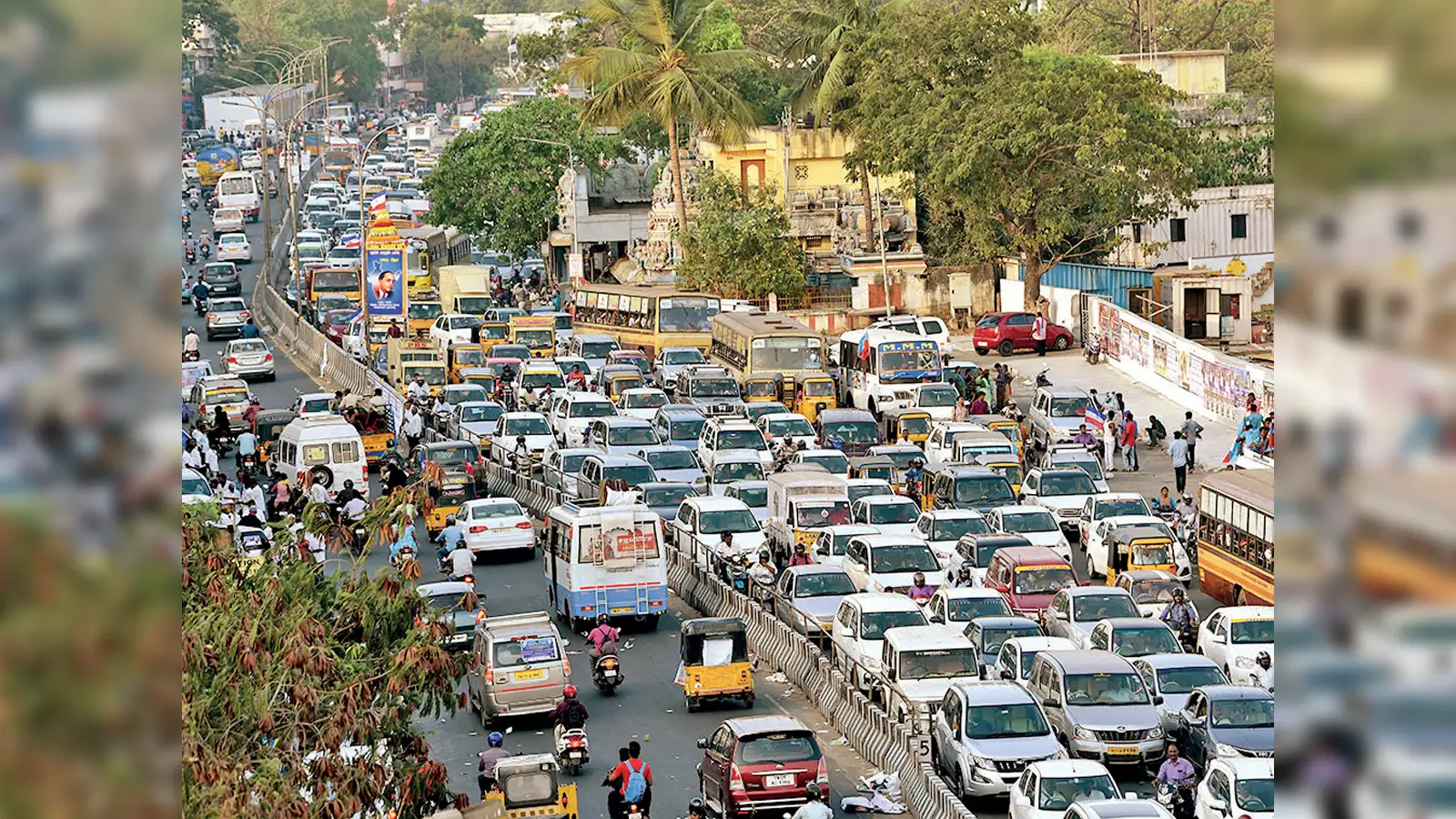

New public transport initiatives in smaller Indian cities are reshaping daily mobility for tier 2 residents as local governments expand bus fleets, introduce electric vehicles and improve connectivity between residential areas and economic hubs. This time sensitive topic uses a news reporting tone to explain changes, benefits and expected challenges.
Many tier 2 cities have historically faced limited transport options, relying heavily on autos, private vans and personal two wheelers. Recent policy efforts aim to reduce congestion, strengthen last mile access and promote cleaner transport. With rising population density and expanding city limits, reliable public transport has become essential for workers, students and small business owners.
Expansion of city bus networks and secondary keywords linked to new fleets
Several tier 2 cities are expanding their city bus networks by adding new routes, increasing frequency and connecting underserved residential pockets. These improvements focus on linking railway stations, industrial zones, markets and educational institutions. Many cities are now deploying low floor buses and accessible formats to support senior citizens and people with disabilities.
Electric buses are becoming more common in tier 2 areas as part of clean mobility initiatives. They operate on fixed corridors and reduce noise pollution in crowded markets. The introduction of digital ticketing systems, QR codes and mobile passes has simplified payments. These upgrades help residents avoid long queues and reduce cash handling, especially during peak hours.
Introduction of last mile connectivity and shared mobility services
Last mile transport remains a major challenge in smaller cities. To address this, local authorities are promoting shared auto stands, feeder buses and app based electric rickshaws. These services connect residential neighborhoods with main bus stops or city centres, reducing waiting time for commuters.
Some cities have designed zone based routes for shared vehicles to prevent overcrowding in narrow lane areas. For office workers and students, point to point shuttle services are being tested during morning and evening rush hours. These initiatives improve predictability and reduce dependence on personal vehicles. For small businesses, improved last mile options allow easier movement of parcels and daily supplies within the city.
Smart transport infrastructure upgrades improving commuter experience
Several infrastructure upgrades are underway in tier 2 cities to support the new transport systems. These include modern bus shelters with seating, digital arrival boards and improved lighting. In some regions, dedicated bus lanes are being considered to reduce delays caused by mixed traffic. Such lanes help maintain timetable accuracy, which is a common concern in smaller cities where congestion varies by time of day.
Traffic management teams are also installing GPS based tracking for buses, enabling mobile applications that show real time arrival information. This helps commuters plan trips better and reduces unnecessary waiting. Local authorities are training drivers to follow standard operating procedures, improving safety and route discipline.
Affordable fare structures and digital payment adoption
Affordability remains central to transport adoption in smaller cities. Authorities are introducing simplified fare systems where charges are fixed by distance or zone. Many cities now provide discounted monthly passes for students, workers and senior citizens. Fare capping is applied in some regions to ensure that passengers do not pay beyond a reasonable maximum amount for multiple trips.
Digital payments through mobile apps and UPI are expanding quickly. This shift reduces the problem of exact change and shortens boarding time. For residents who are not familiar with digital payments, conductors and ticket counters still provide cash options. The aim is to balance adoption of new technology with inclusivity.
Challenges and adjustments residents should anticipate
Despite progress, several challenges remain. Many cities need more parking spaces for feeder vehicles and clearer signage for new routes. Road widening or repair work can delay bus schedules temporarily. Cities transitioning to electric fleets must also manage charging infrastructure and route planning to avoid service interruptions.
Commuters may take time to adjust to revised routes or new fare rules. Public feedback systems are being introduced to gather suggestions and improve reliability. Early indicators show that when routes are consistent and fares are affordable, ridership increases quickly. Residents can expect gradual improvements as the new systems stabilize.
Takeaways
City bus networks are expanding with improved routes and electric fleets
Last mile services are growing through shared mobility and feeder transport
Digital payments and smart infrastructure upgrades enhance commuter convenience
Initial challenges remain but adoption is rising across tier 2 cities
FAQs
Are electric buses reliable for daily commuting in smaller cities
Yes, electric buses are proving reliable on fixed routes. They reduce pollution and offer smoother rides compared to older diesel fleets.
Will fares increase with these new transport initiatives
In most cases, authorities are keeping fares affordable. Discounted passes and zonal pricing help maintain low travel costs.
How can residents track bus arrival times
Many cities now use GPS enabled tracking displayed through mobile apps or digital boards at bus stops.
Do shared mobility services replace personal vehicles
They do not replace personal vehicles entirely but provide cost effective alternatives for short distance travel and last mile connectivity.