
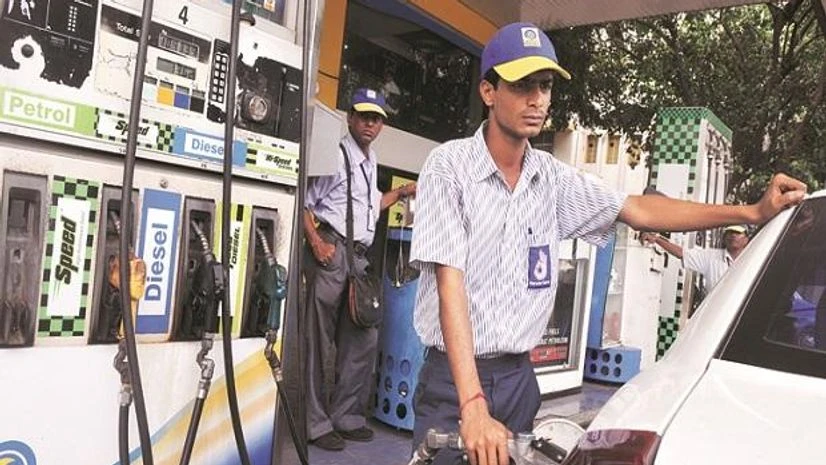

The impact of rising petrol and diesel prices on mid size town commuters and small businesses is becoming more visible as transport costs increase and daily expenses rise. This time sensitive topic requires a news style explanation of how fuel price fluctuations influence mobility, supply chains and household budgets in smaller urban regions.
Fuel price hikes affect mid size towns differently from large metros. Residents rely heavily on two wheelers, autos and small commercial vehicles for movement and income. Even a minor increase in fuel rates changes daily travel patterns and affects the operating costs of small traders, delivery workers and transport service providers. As fuel makes up a major part of local logistics, the ripple effects spread quickly across markets.
Effect on daily commuters and secondary keywords linked to mobility
Two wheeler users form the largest commuter group in mid size towns. Rising petrol prices force them to adjust travel routes, reduce non essential trips or shift to shared transport when feasible. Students and salaried employees who travel from surrounding villages to town centres feel the increase immediately. Monthly fuel budgets rise, leaving families to reallocate spending from other essentials.
Auto rickshaws and shared vans often revise their fares when diesel or petrol prices rise. In many towns, informal transport networks operate without fixed fare charts, so fare increments are passed to commuters quickly. This affects workers who rely on multiple daily trips to job sites. Reduced affordability also pushes some commuters toward bicycles or electric scooters, though adoption depends on upfront investment capacity.
Impact on small businesses and cost of operations
Small businesses in mid size towns depend heavily on personal vehicles for procurement and delivery. When petrol and diesel prices rise, the cost of moving goods increases. Small retailers, wholesalers and market vendors must spend more on daily supply runs. Per trip fuel expenses cut into profit margins, especially for businesses with low ticket items.
Delivery based services such as local courier shops, home delivery food outlets and hardware stores face higher operational costs. Many cannot immediately raise delivery charges due to competition, so the additional fuel expense directly reduces earnings. Small manufacturers and workshop owners operating in industrial clusters experience similar challenges when transporting raw materials or finished goods.
Price fluctuations affecting agriculture linked towns and local supply chains
Mid size towns surrounded by farming areas feel the impact more strongly. Farmers transport produce to town markets using tractors, mini trucks or pickups. Higher diesel prices increase the transportation cost per load, which influences final vegetable and grain prices. Commission agents and traders adjust buying rates to manage their own expenses, affecting farmer income and market stability.
Cold chain vehicles and refrigerated vans used for perishable goods such as milk and poultry also face increased operational costs. These expenses are often passed to retailers, leading to higher consumer prices. In towns where daily essentials arrive from nearby districts, fuel hikes create small but noticeable price increments across multiple categories within a short period.
Shift toward alternative mobility and cost saving techniques
Fuel price pressure often accelerates the shift toward more economical transport modes. Electric scooters and battery powered delivery bikes are becoming more visible in some mid size towns. Their lower running cost appeals to college students, gig workers and shopkeepers. However, adoption depends on access to charging points and the financial ability to purchase new vehicles.
Carpooling among workers is becoming more organized in some industrial zones. Employers in select towns encourage shared transport to reduce absenteeism caused by rising commuting costs. Households also adjust by clubbing errands, choosing closer markets or delaying non essential trips. Small businesses explore ways to optimize delivery routes, reduce empty return trips and coordinate bulk procurement with neighboring shops.
Effect on inflation expectations and long term town economies
Repeated fuel price increases influence inflation expectations in mid size towns. Vendors revise prices anticipating future hikes, leading to cumulative upward pressure on essential items. Families with fixed incomes feel strain as both transport and commodity costs rise. Reduced discretionary spending affects local markets, especially clothing, eateries and small service providers.
Transport operators may postpone vehicle maintenance or upgrade plans due to tight margins. This increases the risk of breakdowns and reduces service reliability. Over time, if fuel prices remain high, towns may experience slower mobility growth, reduced logistics competitiveness and higher operating costs for micro enterprises. However, some resilience exists as local economies adapt through shared transport, route optimization and selective use of electric options.
Takeaways
Two wheeler commuters face immediate increases in daily travel expenses
Small businesses experience higher delivery and procurement costs
Agriculture linked towns see price changes in supply chains and markets
Alternative mobility and route optimization help reduce fuel related stress
FAQs
Why do fuel price increases affect mid size towns more
Mid size towns rely heavily on two wheelers, autos and small goods vehicles. Limited public transport means most residents directly absorb fuel cost changes.
Do businesses increase prices immediately after fuel hikes
Some businesses adjust prices quickly, especially in logistics heavy sectors. Others delay increases due to competition, absorbing short term losses.
Are electric vehicles becoming a practical alternative
For short distance commuting and delivery, electric scooters are increasingly viable. Their running cost is significantly lower, though initial investment remains a barrier.
How can commuters reduce fuel expenses without major lifestyle changes
Regular vehicle maintenance, route planning and partial use of shared transport help manage costs without major adjustments.