
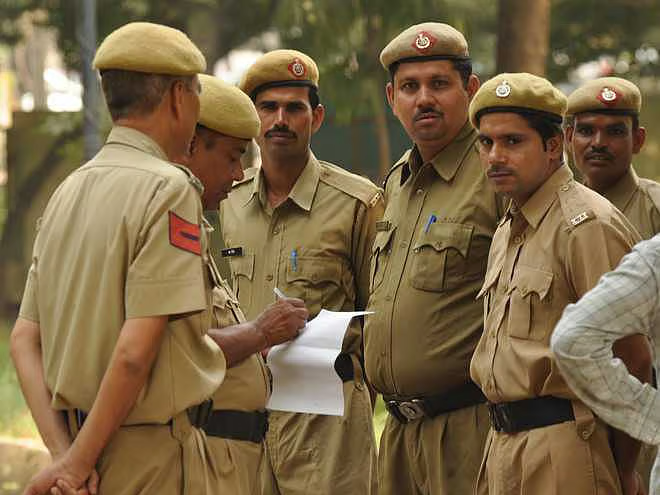

Haryana Police crackdown actions over the weekend resulted in 162 arrests along with the seizure of illegal drugs, arms, and prohibited items across multiple districts. The coordinated operation reflects an intensified law enforcement push to curb organized crime, narcotics trafficking, and repeat offenders ahead of the peak winter travel and festival movement period.
This topic is time sensitive. The operation is recent and ongoing in impact. The tone of this article follows a news reporting style while explaining the operational scope, objectives, and local implications of the crackdown.
Haryana Police crackdown drives are typically carried out through synchronized district level actions involving crime branch units, local police stations, and special task forces. The latest operation covered urban centers, highway corridors, and identified crime prone rural pockets.
Scope and Scale of the Weekend Police Operation
The weekend operation was conducted across several districts simultaneously to prevent suspects from evading arrest by moving between jurisdictions. Police teams carried out targeted raids, vehicle checks, and verification drives based on intelligence inputs and pending warrants.
The 162 arrests included habitual offenders, individuals wanted in previous cases, and suspects linked to drug distribution networks. Seized items reportedly included narcotics, illegal firearms, ammunition, and other prohibited materials.
Such operations are designed to disrupt supply chains rather than focus on isolated arrests. By acting across districts at the same time, police reduce the chance of information leaks and coordinated escapes.
Focus on Drug Trafficking and Illegal Arms
A key focus of the Haryana Police crackdown was narcotics control. Drugs seized during the operation point to active local distribution rather than cross border trafficking alone. Police sources have indicated concern over increasing availability of synthetic drugs in urban and semi urban areas.
Illegal arms seizures are particularly significant in the context of organized crime and inter gang rivalry. Unlicensed firearms pose a direct threat to public safety, especially during festive gatherings and election periods.
By targeting both drugs and weapons together, police aim to dismantle interconnected crime networks that use narcotics profits to fund illegal arms procurement.
Role of Intelligence and Surveillance
The success of the operation relied heavily on intelligence gathering and surveillance. Police units used a combination of informant inputs, previous case data, and digital monitoring to identify targets.
Verification drives were conducted at checkpoints and residential clusters where suspects were believed to operate. Vehicles were checked on major roads and entry points to districts, leading to the interception of individuals attempting to move contraband.
Such intelligence led operations reflect a shift from reactive policing to preventive enforcement, focusing on known risk zones rather than random checks.
Impact on Local Law and Order
The immediate impact of the crackdown has been increased police visibility across affected districts. Residents reported heightened patrols and checkpoint activity following the arrests, contributing to a sense of security.
For local communities, especially in areas affected by drug abuse and petty crime, such operations signal administrative seriousness. Short term disruption to criminal activity often leads to temporary reductions in street level crime.
However, sustained impact depends on follow up investigations, prosecution, and continued monitoring. One off operations without legal closure risk limited long term effect.
Legal Process and Next Steps After Arrests
Following the arrests, suspects will be produced before courts as per legal procedure. Cases involving narcotics and illegal arms are expected to be handled under stringent laws, with investigations continuing to identify suppliers and network leaders.
Police will also examine financial trails and communication links to determine whether organized groups or repeat patterns are involved. Seized items will undergo forensic verification to strengthen prosecution.
Authorities have indicated that further operations may follow based on leads generated during the weekend crackdown.
Message to Criminal Networks and Public
Operations of this scale send a clear message to criminal networks that coordinated enforcement is active and sustained. By acting across districts, Haryana Police aim to limit safe zones for illegal activity.
For the public, the crackdown reinforces the importance of cooperation with law enforcement. Tip offs and local information often play a critical role in identifying crime clusters.
Police officials have urged residents to report suspicious activity and avoid engaging with illegal networks, particularly in areas affected by drug circulation.
Broader Context of Policing Strategy in Haryana
The weekend crackdown aligns with broader policing strategies focused on crime prevention during high mobility periods. Winter months often see increased inter district movement, making coordinated checks more effective.
Crackdowns are also used to review pending warrants and track habitual offenders who may resurface during periods of increased economic activity.
The emphasis remains on visibility, intelligence driven actions, and legal follow through rather than sporadic enforcement.
Takeaways
- Haryana Police arrested 162 individuals in a coordinated weekend crackdown
- Drugs and illegal arms were key seizure targets during the operation
- Simultaneous district actions reduced escape and information leaks
- Sustained follow up will determine long term impact on crime
FAQs
Why was the weekend chosen for the crackdown?
Weekends often see higher movement of individuals and goods, making it effective for intercepting suspects and contraband.
Were these arrests linked to a single case or multiple cases?
The arrests were linked to multiple cases across districts, including pending warrants and fresh detections.
Will more such operations take place?
Based on standard policing patterns, further operations may follow using intelligence gathered from this crackdown.
How does this affect daily life for residents?
Increased police presence may cause temporary checks and delays but generally improves public safety.