
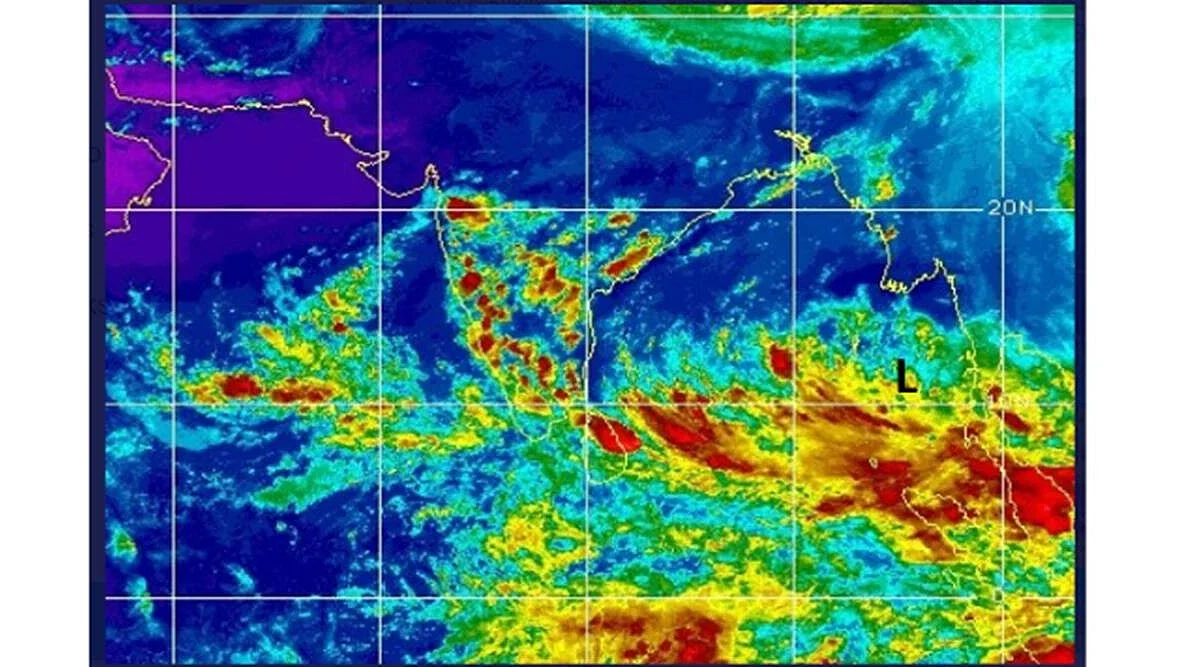

Tamil Nadu and Puducherry weather alert updates have triggered district level responses across several Tier 2 regions as authorities brace for heavy rainfall, strong winds, and localized flooding. Preparedness at the district and household level is now critical to limit damage and ensure public safety.
The current weather alert is time sensitive and driven by active atmospheric systems affecting the Tamil Nadu coast and adjoining regions. Unlike routine seasonal rainfall, these alerts indicate the possibility of intense spells over short durations, which historically cause maximum disruption in Tier 2 districts with limited drainage capacity and slower emergency response. District administrations, local bodies, and residents are responding with a mix of preventive measures and on ground readiness.
District Level Rainfall Impact and Risk Zones
In northern Tamil Nadu districts, urban clusters and surrounding semi urban belts are facing high risk of waterlogging due to dense construction and limited stormwater drains. Coastal districts are exposed to strong winds and intermittent heavy rain, while delta regions face the threat of rising water levels in canals and tanks.
Interior districts with river networks are monitoring reservoir inflows closely. Sudden releases from upstream storage can affect downstream habitations within hours. Puducherry and its surrounding communes are particularly sensitive due to flat terrain and limited runoff capacity.
District authorities are prioritizing low lying wards, riverbank settlements, and areas with a history of flooding. Mapping of vulnerable zones helps target early interventions such as water pumping and temporary barriers.
Local Administration Response on the Ground
District collectors and municipal bodies have activated control rooms to coordinate weather monitoring, emergency response, and public communication. These control rooms act as central points for receiving complaints related to waterlogging, fallen trees, power outages, and blocked roads.
Preventive actions include desilting of drains, inspection of stormwater channels, and deployment of pumps in flood prone streets. In coastal and cyclone prone districts, fishing advisories and coastal patrols are reinforced to prevent loss of life.
Puducherry administration has intensified coordination between municipal services, electricity departments, and disaster response teams to ensure rapid restoration in case of disruptions. Schools and colleges are kept on alert for possible schedule changes depending on rainfall intensity.
Preparedness Measures in Tier Two Towns
Tier 2 towns face unique challenges during extreme weather events. Unlike metros, resources are limited and response capacity depends heavily on advance planning. Local bodies are focusing on early clearing of bottlenecks such as clogged culverts and encroachments over drainage lines.
Temporary shelters are being identified in community halls and schools for use if evacuation becomes necessary. Local health centers are instructed to keep essential medicines and emergency supplies ready, especially in areas with elderly populations.
Coordination with panchayats and ward committees is critical in these towns. Local knowledge helps identify streets that flood first and households requiring special assistance.
Community and Resident Level Preparedness
District level preparedness is only effective when matched by household level action. Residents in Tier 2 districts are being advised to secure homes, clear private drainage outlets, and avoid unnecessary travel during peak rainfall hours.
Communities are forming informal communication groups to share verified alerts and local updates. This helps counter misinformation and ensures faster response in emergencies. In many towns, resident welfare groups are coordinating vehicle relocation from low lying parking areas to prevent damage.
Families are encouraged to keep emergency supplies ready, including drinking water, essential medicines, torches, and charged mobile devices. These small actions significantly reduce dependency during short term disruptions.
Transport, Power, and Essential Services Readiness
Transport departments are monitoring road conditions and deploying teams to clear fallen trees and debris. In Tier 2 districts, state highways and arterial roads are prioritized to maintain connectivity between towns and district headquarters.
Power utilities are preparing for precautionary shutdowns in vulnerable areas to prevent accidents. Repair crews are kept on standby to restore supply once conditions improve. Residents are advised to report damaged lines immediately and avoid contact with exposed wiring.
Water supply departments are monitoring contamination risks due to flooding. In affected localities, advisories on water usage and storage are issued to prevent health issues.
Health and Safety Focus During Heavy Rain Alerts
Health departments in Tamil Nadu and Puducherry are alert to the increased risk of waterborne diseases following heavy rainfall. Primary health centers are instructed to stock ORS, antibiotics, and emergency medicines.
Public advisories emphasize avoiding stagnant water, using safe drinking water, and seeking medical help for fever or infections. Special attention is given to children and elderly residents who are more vulnerable during weather related disruptions.
Emergency response teams are also trained to handle rescue operations in flooded streets and low lying settlements if required.
What Residents Should Monitor Over the Next Few Days
Residents should track district specific alerts rather than state wide headlines. Rainfall intensity can vary significantly within short distances. Local administration updates, control room advisories, and verified weather alerts provide the most actionable information.
Movement during late night and early morning hours should be minimized, as drainage failures and fallen obstacles are harder to detect. Vehicle owners should avoid parking in basements or near open drains.
Preparedness should continue even after rainfall reduces, as secondary flooding from upstream areas can occur with delay.
Takeaways
Tier two districts face higher flood risk due to limited drainage and response capacity
District administrations have activated control rooms and preventive measures
Community level preparedness plays a key role in reducing damage
Monitoring local alerts is more effective than relying on general forecasts
FAQs
Why are Tier 2 districts more vulnerable during heavy rain alerts?
They often have weaker drainage infrastructure and slower emergency response compared to major cities.
Are evacuations mandatory during weather alerts?
Evacuations are only carried out if local authorities assess immediate risk to life or property.
How can residents get reliable local updates?
District control rooms, local administration notices, and official weather alerts are the most reliable sources.
What should be done after heavy rainfall subsides?
Residents should check structural safety, avoid contaminated water, and follow local advisories on movement and cleanup.