
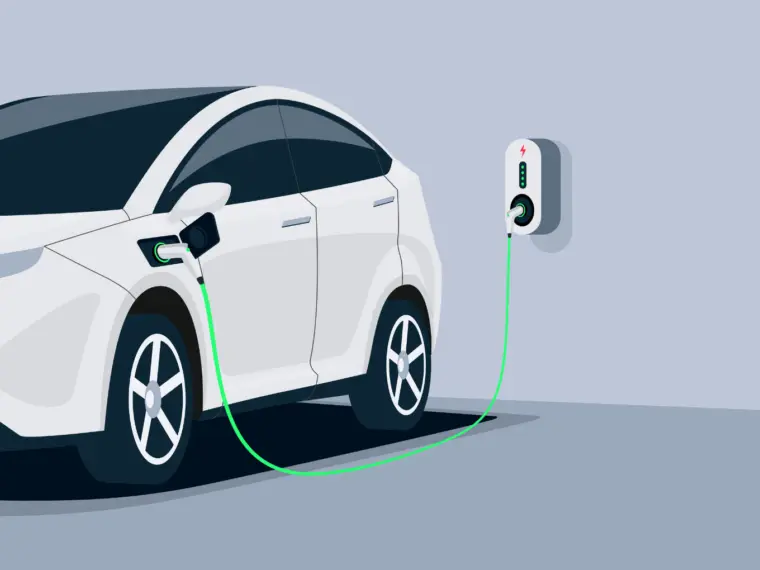

Electric vehicle adoption in cities like Nagpur, Indore, and Surat is rising steadily in 2026, driven by lower running costs, policy support, and improved charging infrastructure. Smaller cities are now emerging as key contributors to India’s transition toward cleaner mobility.
Electric vehicle adoption in Nagpur, Indore, and Surat has picked up pace over the past two years, reflecting a broader shift beyond metro cities. The trend is supported by government incentives, increasing fuel costs, and growing awareness about sustainable transport options.
Why EV Adoption Is Rising in Tier-2 Cities
The rise of EV adoption in Tier-2 cities is closely linked to economic and practical factors. Fuel prices continue to fluctuate, making petrol and diesel vehicles more expensive to operate. Electric vehicles offer significantly lower running costs, which appeals to middle-class buyers.
In cities like Nagpur, Indore, and Surat, daily commute distances are moderate, making EVs a suitable option without range anxiety.
Another factor is the increasing availability of affordable electric two-wheelers and entry-level electric cars. These vehicles are priced closer to conventional options, especially after subsidies, making them more accessible.
Government Policies and Incentives Driving Growth
Central and state governments have played a key role in accelerating EV adoption. Schemes like FAME II Scheme provide subsidies on electric vehicles, reducing upfront costs.
States like Maharashtra and Gujarat have introduced additional incentives, including road tax exemptions, registration fee waivers, and purchase subsidies. These benefits make EV ownership financially attractive.
Local authorities in cities such as Nagpur have also promoted electric mobility through pilot projects and public awareness campaigns. Indore and Surat have integrated EV policies with urban mobility planning.
Such policy support is crucial in Tier-2 cities, where price sensitivity plays a major role in purchase decisions.
Expansion of Charging Infrastructure in Smaller Cities
One of the major barriers to EV adoption was the lack of charging infrastructure. This is gradually changing in Tier-2 cities.
Public charging stations are now being installed in commercial areas, highways, and residential complexes. Private players and oil marketing companies are also expanding charging networks.
Nagpur was among the early adopters of EV charging infrastructure as part of pilot projects. Indore and Surat have followed with similar initiatives, improving accessibility for EV users.
Home charging remains the primary method for most users, especially for two-wheelers. This reduces dependency on public infrastructure and supports daily usage.
Role of Electric Two-Wheelers in Driving Adoption
Electric two-wheelers are leading the EV adoption trend in smaller cities. Their affordability, low maintenance, and suitability for short distances make them popular among students, delivery workers, and daily commuters.
Brands offering budget-friendly models have seen strong demand in Tier-2 markets. Many buyers are first-time EV users who prefer two-wheelers before considering electric cars.
Delivery services and small businesses are also shifting to electric scooters to reduce operational costs. This commercial adoption further accelerates overall EV growth.
The shift toward two-wheelers is a key indicator of how EV adoption is evolving differently in smaller cities compared to metros.
Challenges Slowing Down Full-Scale Adoption
Despite growth, several challenges remain. Initial purchase cost, even after subsidies, is still higher than conventional vehicles for some buyers.
Charging infrastructure, while improving, is not yet uniformly available across all areas. This creates hesitation among potential buyers.
Awareness about battery life, resale value, and long-term performance is still limited. Many consumers prefer to wait and observe before making a switch.
Financing options for EVs in smaller cities are also developing gradually, which affects affordability for certain segments.
Future Outlook for EV Growth in Tier-2 India
The future of EV adoption in Tier-2 cities looks promising. As battery costs decline and technology improves, prices are expected to become more competitive.
Government focus on sustainable mobility and stricter emission norms will further push adoption. Expansion of charging infrastructure will also reduce range concerns.
Cities like Nagpur, Indore, and Surat are likely to become strong EV markets due to their growing urban population and improving infrastructure.
The shift toward electric mobility is no longer limited to metros. Smaller cities are now playing a significant role in shaping India’s EV landscape.
Takeaways
- EV adoption is rising in Tier-2 cities due to lower running costs and policy support
- Government incentives like FAME II reduce the upfront cost of electric vehicles
- Electric two-wheelers are driving the majority of growth in smaller cities
- Infrastructure and awareness gaps still need to be addressed
FAQ
Q1. Why are Tier-2 cities seeing higher EV adoption?
Lower running costs, government incentives, and suitable commuting distances make EVs practical for smaller cities.
Q2. Which type of EV is most popular in these cities?
Electric two-wheelers are the most popular due to affordability and ease of use.
Q3. Are charging stations available in smaller cities?
Yes, charging infrastructure is expanding, though availability may vary by location.
Q4. Is buying an EV cheaper than a petrol vehicle?
Initial cost may be higher, but lower running and maintenance costs make EVs economical over time.