
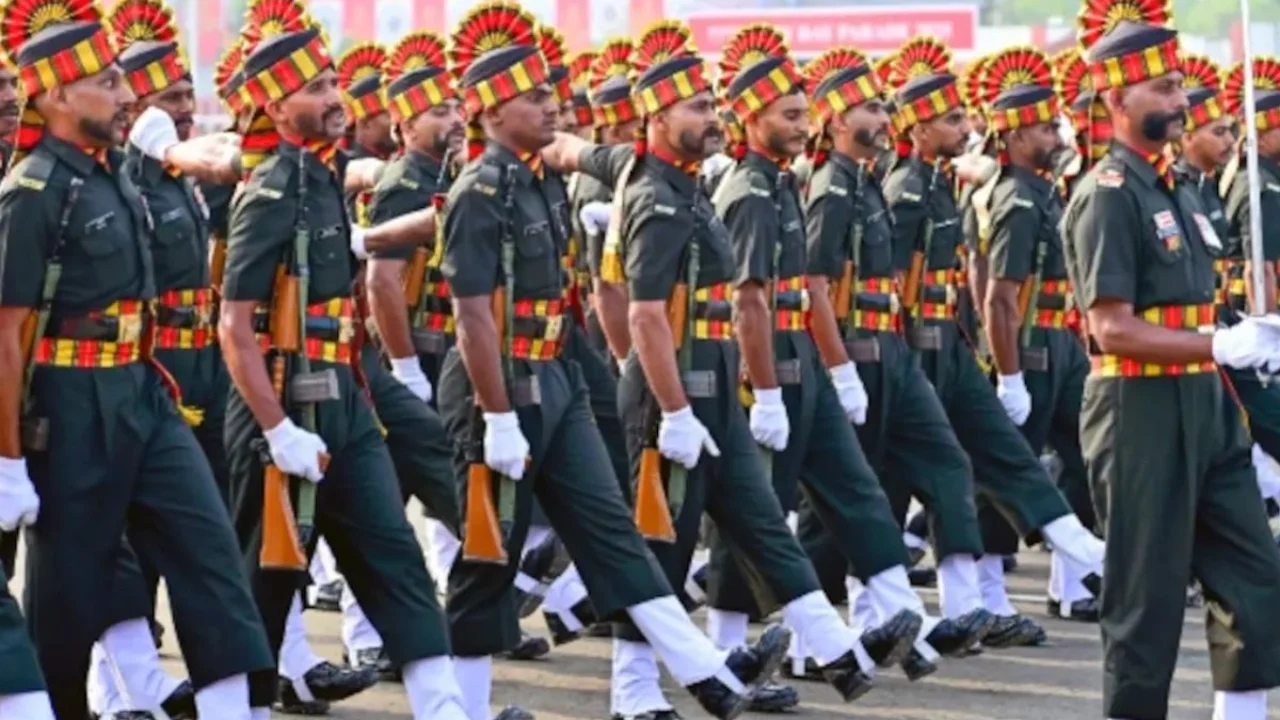

Indian Army Day 2026 marks a significant moment with Jaipur hosting its first public Army Day parade, alongside nationwide events across military commands. The celebrations highlight operational readiness, regional outreach, and the Army’s evolving public engagement beyond traditional ceremonial centres.
This is a time sensitive news topic. The tone below is factual and reporting focused, capturing key developments, observations, and implications from Army Day 2026 events.
Significance of Indian Army Day 2026 celebrations
Indian Army Day is observed annually on 15 January to commemorate the day the Indian Army took over command from British forces in 1949. The day serves as both a ceremonial milestone and an opportunity to showcase military professionalism, discipline, and preparedness.
Indian Army Day 2026 carries added importance due to its geographic shift. Moving the main parade outside Delhi reflects a broader effort to connect with citizens across regions and highlight the Army’s national footprint. This approach aligns with recent trends of decentralising major defence events.
The celebrations also come amid evolving security challenges, making public visibility of preparedness a strategic communication tool.
Jaipur hosts first public Army Day parade
Jaipur hosting the Army Day parade for the first time marks a historic shift in tradition. The choice of Rajasthan reflects the state’s strategic relevance, long military heritage, and strong civilian military connection.
The public parade showcased marching contingents, mechanised units, and ceremonial displays, drawing large civilian attendance. Hosting the event in an open public setting allowed residents to witness military traditions up close, strengthening public awareness and engagement.
The parade venue and arrangements were designed to accommodate both ceremonial precision and public accessibility. This balance underscored the Army’s intent to remain transparent and connected with citizens.
What the parade showcased operationally
Beyond ceremonial drill, the Jaipur parade highlighted operational elements such as rapid deployment capabilities, coordination units, and modern equipment displays. These elements were intended to demonstrate readiness rather than reveal sensitive tactical details.
Marching units represented diverse regiments, reflecting the Army’s pan India composition. Equipment displays focused on mobility, logistics, and battlefield support rather than offensive posturing.
The emphasis remained on discipline, integration, and adaptability, signalling the Army’s preparedness across terrains including deserts, mountains, and urban environments.
Nationwide Army Day events across commands
Alongside the Jaipur parade, Indian Army Day 2026 was observed across all regional commands with unit level ceremonies, wreath laying, and outreach programs. These events allowed serving personnel, veterans, and families to participate locally.
Several cantonments opened select areas for public interaction, including exhibitions, band performances, and recruitment awareness programs. This decentralised celebration model expanded the reach of Army Day beyond a single city.
Nationwide observances reinforced the message that Army Day is not limited to one parade but represents collective institutional pride and remembrance.
Focus on soldiers, veterans, and families
Indian Army Day 2026 also placed visible emphasis on the welfare of soldiers and veterans. Felicitation ceremonies for gallantry awardees, war veterans, and families of fallen soldiers were integral to the events.
These moments reinforced continuity between past service and present duty. Public acknowledgment of sacrifice remains a core component of Army Day observances, grounding ceremonial displays in lived service realities.
Family participation in events further highlighted the support systems behind operational readiness, an aspect often underrepresented in public narratives.
Public response and civic engagement
Public turnout in Jaipur and other cities reflected strong civic interest. The open parade format allowed students, local residents, and defence enthusiasts to engage directly with the event.
Educational institutions organised visits, using the occasion to introduce students to military discipline and career pathways. This outreach element supports long term recruitment awareness and national service understanding.
The response suggests that moving major defence events to different regions enhances public connection without diluting ceremonial standards.
Strategic messaging and symbolism
Indian Army Day events are also platforms for strategic messaging. The 2026 celebrations subtly reinforced themes of unity, readiness, and regional inclusiveness.
By hosting the main parade in Jaipur, the Army communicated adaptability and confidence. The absence of overt militaristic messaging kept the focus on professionalism rather than power projection.
Symbolism remained rooted in tradition while acknowledging modern operational realities, a balance critical for public trust.
What Indian Army Day 2026 indicates going forward
The Jaipur parade may set a precedent for future Army Day celebrations rotating across states. This model broadens national ownership of military traditions and reduces over centralisation.
Nationwide participation also suggests a continued emphasis on transparency and public engagement. As security environments evolve, maintaining public confidence becomes as important as operational strength.
Indian Army Day 2026 thus stands out not just for its ceremonies, but for its approach to national connection.
Takeaways
Jaipur hosted its first ever public Army Day parade
Indian Army Day 2026 expanded beyond Delhi centric celebrations
Events highlighted readiness, tradition, and public engagement
Nationwide observances strengthened civilian military connection
FAQs
Why was Jaipur chosen for the Army Day parade in 2026?
Jaipur reflects strategic relevance, military heritage, and regional outreach objectives.
Is the Army Day parade usually held in Delhi?
Traditionally yes, but recent years show a shift toward rotating locations.
What is the purpose of Indian Army Day celebrations?
It commemorates the Army taking command in 1949 and honours service and sacrifice.
Will future Army Day parades be held in other states?
The 2026 model suggests a strong possibility of rotational hosting.