
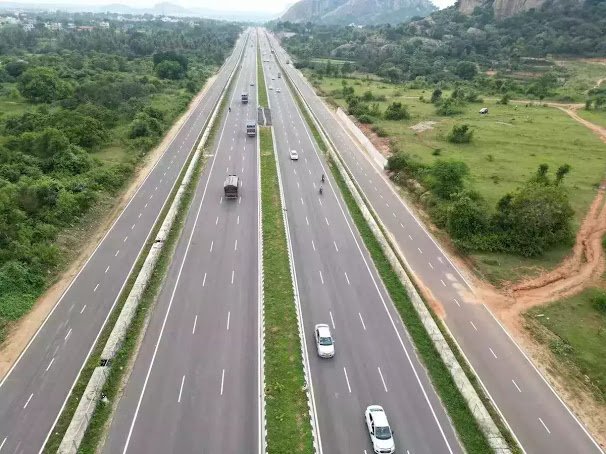

The daily infrastructure update on rural urban connectivity across Eastern India highlights ongoing road, rail, and port projects aimed at reducing travel time and improving logistics. These developments are expected to strengthen trade corridors and expand access between villages, towns, and emerging industrial hubs.
Highway Expansion Under National Road Projects
National highway expansion remains a central pillar of rural urban connectivity in Eastern India. Multi lane highway projects are being implemented to link district headquarters with state capitals and industrial clusters. Four lane and six lane upgrades on key corridors are designed to reduce congestion and improve freight movement.
In states such as Odisha, West Bengal, Bihar, and Jharkhand, highway widening projects are connecting previously underserved rural belts to major markets. Better road connectivity lowers transportation costs for agricultural produce, minerals, and small scale manufacturing goods.
Improved highway design now includes service roads, bypasses around towns, and grade separators to minimize traffic bottlenecks. These upgrades also aim to reduce accident rates through better signage and controlled entry points.
Railway Electrification and Double Tracking Progress
Railway electrification and double tracking are transforming passenger and freight movement across Eastern India. Indian Railways has accelerated electrification in several eastern zones to enhance efficiency and reduce diesel dependency.
Double tracking on high density routes improves train frequency and reduces delays caused by single line congestion. This directly benefits rural passengers who rely on railways for affordable long distance travel.
Freight corridors passing through eastern states support coal transport, steel movement, and agricultural distribution. Improved rail logistics reduce turnaround time for goods trains, strengthening supply chains across rural and urban markets.
New railway stations and platform modernization projects are also being undertaken to enhance passenger facilities in smaller towns.
Rural Road Connectivity Under Government Schemes
Rural road connectivity projects remain crucial for linking villages to district centers. All weather roads built under national rural development schemes ensure year round access to schools, healthcare facilities, and local markets.
In Eastern India, monsoon seasons often disrupt kutcha roads. Upgrading these to paved roads enhances mobility and economic participation. Farmers benefit from easier transport of crops, while students and daily wage workers gain more reliable commute options.
Bridges and culverts constructed over small rivers and seasonal streams prevent isolation of villages during heavy rainfall. These micro level infrastructure improvements have long term socio economic impact.
State governments are coordinating with central agencies to prioritize roads connecting rural clusters with national highways.
Port and Inland Waterway Development
Eastern India has strategic coastal and riverine advantages. Port modernization along the eastern coastline strengthens export capacity for minerals, steel, and agricultural products.
Inland waterway projects on major rivers aim to create cost effective cargo transport alternatives. Water based freight reduces pressure on highways and lowers logistics costs for bulk commodities.
Port connectivity roads and rail links are being upgraded simultaneously to ensure smooth last mile movement. Improved port infrastructure attracts industrial investment in nearby districts, generating employment in smaller towns.
For rural communities, better port access means faster integration into national and international supply chains.
Urban Transit and Regional Airport Growth
Tier 2 cities in Eastern India are witnessing growth in urban transit systems and regional airport upgrades. Bus rapid transit corridors, improved city bus fleets, and integrated transport hubs support urban mobility.
Regional airport expansion under connectivity initiatives links smaller cities to metro destinations. Increased flight frequency encourages tourism, business travel, and medical mobility.
These upgrades shorten travel time between rural districts and major cities. Patients can access specialized healthcare facilities faster. Entrepreneurs gain improved access to national markets.
Balanced development of urban transit alongside rural road projects ensures that connectivity gains are distributed more evenly.
Economic Impact of Connectivity Improvements
Enhanced rural urban connectivity stimulates local economies. When transportation becomes faster and more reliable, market access expands. Small enterprises in eastern districts can reach wider customer bases.
Agricultural supply chains benefit from reduced spoilage and quicker delivery. Manufacturing clusters can operate with leaner inventory cycles due to improved freight reliability.
Infrastructure growth also generates direct employment in construction, logistics, and maintenance sectors. Over time, better connectivity supports education access, healthcare outreach, and migration management.
Sustained monitoring and maintenance remain critical. Infrastructure quality must be preserved to deliver long term returns.
Takeaways
• Highway expansion and rail electrification are strengthening eastern transport corridors
• Rural road projects improve year round village access to markets and services
• Port and inland waterway upgrades reduce logistics costs
• Balanced rural and urban connectivity drives regional economic growth
FAQs
Q1: Which sectors benefit most from rural urban connectivity projects
Agriculture, mining, manufacturing, and logistics sectors gain significantly from improved transport links.
Q2: How does railway electrification help connectivity
Electrification improves efficiency, reduces delays, and lowers operational costs, enabling more frequent train services.
Q3: Why are rural roads important for economic growth
All weather roads ensure reliable access to schools, healthcare, and markets, improving productivity and income stability.
Q4: Do port projects affect inland districts
Yes. Better port connectivity increases trade flow, benefiting inland producers through improved supply chain access.