
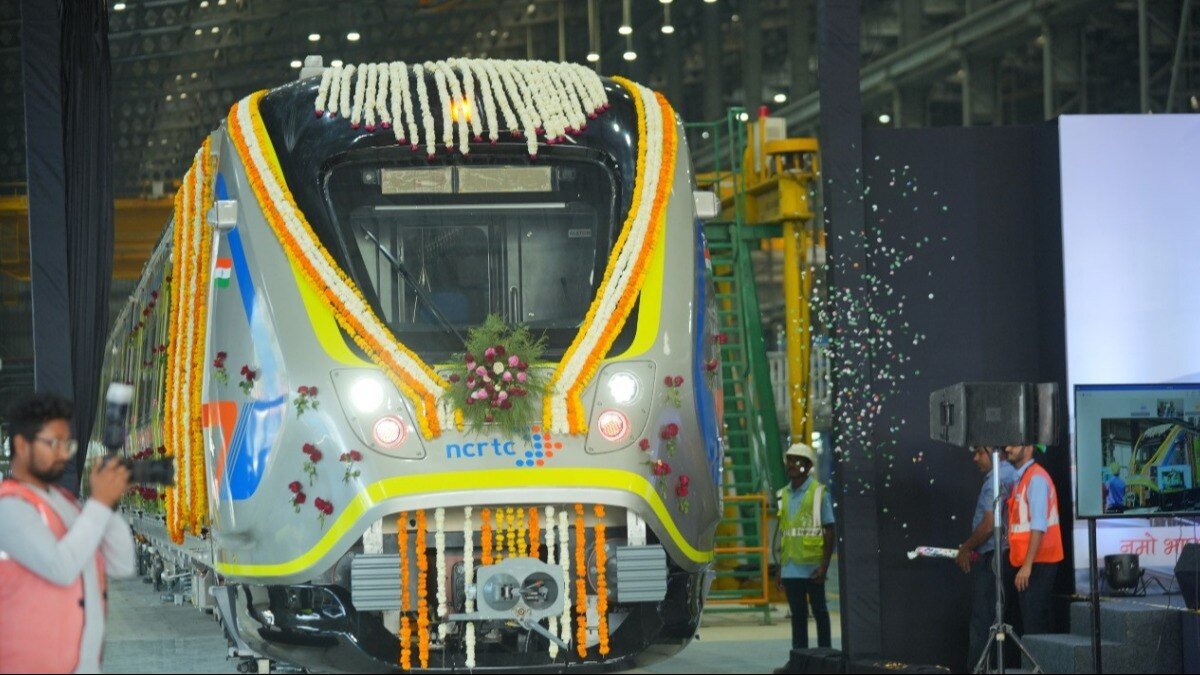

The Meerut Metro, often referred to as part of India’s fastest metro corridor, is transforming daily travel in western Uttar Pradesh. With high operating speeds, modern stations and integrated ticketing, it offers a faster and more reliable alternative to road congestion.
The Meerut Metro has gained attention because it operates as part of the Regional Rapid Transit System corridor connecting Delhi, Ghaziabad and Meerut. Designed for high speed regional mobility, this system is built to significantly reduce travel time while maintaining metro style urban access within Meerut city.
Why Meerut Is Called India’s Fastest Metro Corridor
The Meerut section is integrated with the Delhi Meerut RRTS, which has been designed for a maximum speed of up to 180 km per hour and an operational speed that can reach 160 km per hour on priority stretches. Within city limits, metro services operate at lower speeds suitable for urban commuting, but the corridor overall is among the fastest rail based transit systems in the country.
This high speed capability dramatically cuts travel time between Delhi and Meerut compared to road travel during peak hours. For daily commuters, students and business travelers, the corridor provides predictable travel schedules without traffic delays.
Modern rolling stock, advanced signaling systems and platform screen doors at select stations enhance safety and efficiency. The system uses contemporary train control technologies that allow smoother acceleration and braking.
Understanding Routes and Station Connectivity
The Meerut Metro urban stretch runs within the broader RRTS alignment, covering key city nodes such as residential clusters, commercial markets and institutional areas. Stations are strategically located to connect densely populated zones and major transit junctions.
The larger corridor connects Delhi, Ghaziabad and Meerut, making it suitable not only for intra city movement but also for inter city commuting. This dual functionality sets it apart from traditional metro systems that operate strictly within city boundaries.
Feeder services such as e rickshaws, city buses and auto rickshaws are available near major stations. Parking facilities at selected stations support park and ride users. Commuters traveling from nearby towns can use connecting road networks to access metro stations conveniently.
Before planning your ride, check updated route maps through official channels or station displays. Peak hour frequency is generally higher, reducing waiting time.
Ticketing System and Fare Structure
The Meerut Metro uses a modern ticketing system similar to other metro networks in India. Passengers can purchase single journey tokens or use smart cards for regular travel. Smart cards typically offer faster entry and exit through automated fare collection gates.
Fares are distance based, meaning longer journeys cost more than short urban trips. For commuters traveling frequently between Delhi and Meerut, smart cards provide convenience and may offer promotional benefits during initial operational phases.
Digital payment options are widely supported at ticket counters and vending machines. Many metro systems in India now accept UPI based payments, debit cards and mobile wallets, reducing the need for cash transactions.
To avoid queues during rush hours, recharge smart cards in advance. Entry gates require a valid ticket or card tap to open, and exit gates calculate fare automatically based on distance traveled.
Speed, Comfort and Onboard Facilities
One of the key attractions of the Meerut Metro corridor is its high speed potential. Even when operating within urban sections at moderated speeds, trains maintain smooth acceleration and consistent timing.
Coaches are air conditioned and designed with ergonomic seating. Standing space is optimized for peak hours. Dedicated spaces for women and priority seating for senior citizens and persons with disabilities are available.
Real time passenger information systems display upcoming stations and announcements in multiple languages. CCTV cameras and security personnel enhance passenger safety.
Travelers carrying luggage for inter city trips benefit from spacious interiors compared to traditional suburban trains. The system is built to meet global rapid transit standards while serving Indian commuter needs.
Travel Tips for First Time Riders
Arrive at least 10 to 15 minutes before departure during peak hours to allow time for security checks and ticket purchase. Follow signage inside stations to locate platforms easily.
Keep your ticket or smart card accessible until you exit. Losing a token may require payment of a maximum fare penalty. Always stand behind the yellow line on platforms and wait for passengers to alight before boarding.
Peak hours typically fall in the morning and evening when office commuters travel between Delhi and Meerut. Midday travel is usually less crowded.
If you are commuting regularly, consider mapping your entire journey including first mile and last mile connectivity. Planning feeder transport in advance reduces total travel time.
Impact on Meerut and Surrounding Regions
The high speed metro corridor is expected to boost economic activity in Meerut and nearby towns. Improved connectivity often leads to increased real estate development, commercial expansion and job mobility.
Students can commute to educational institutions in Delhi while residing in Meerut. Professionals can access employment hubs without relocating. This integration supports balanced regional development.
Reduced road congestion and lower vehicle emissions also contribute to environmental benefits. Over time, rapid transit systems encourage a shift from private vehicles to public transport.
As more sections become operational, commuter adoption is likely to rise, reinforcing Meerut’s role as a connected satellite city within the National Capital Region.
Takeaways
• Meerut Metro operates within a high speed RRTS corridor connecting Delhi and Meerut
• Maximum design speeds make it one of India’s fastest rail transit systems
• Distance based fares and smart cards simplify ticketing
• Improved connectivity supports economic growth and daily commuting efficiency
FAQs
Q1. What is the maximum speed of the Meerut Metro corridor?
The broader RRTS corridor is designed for speeds up to 180 km per hour, with operational speeds reaching around 160 km per hour on priority sections.
Q2. Can passengers travel directly from Delhi to Meerut using this system?
Yes, the corridor connects Delhi, Ghaziabad and Meerut, enabling inter city commuting.
Q3. How are tickets purchased?
Passengers can buy single journey tokens or use rechargeable smart cards. Digital payment options are widely accepted.
Q4. Is the metro suitable for daily office commuters?
Yes, frequent services, predictable schedules and reduced travel time make it ideal for regular commuting.