
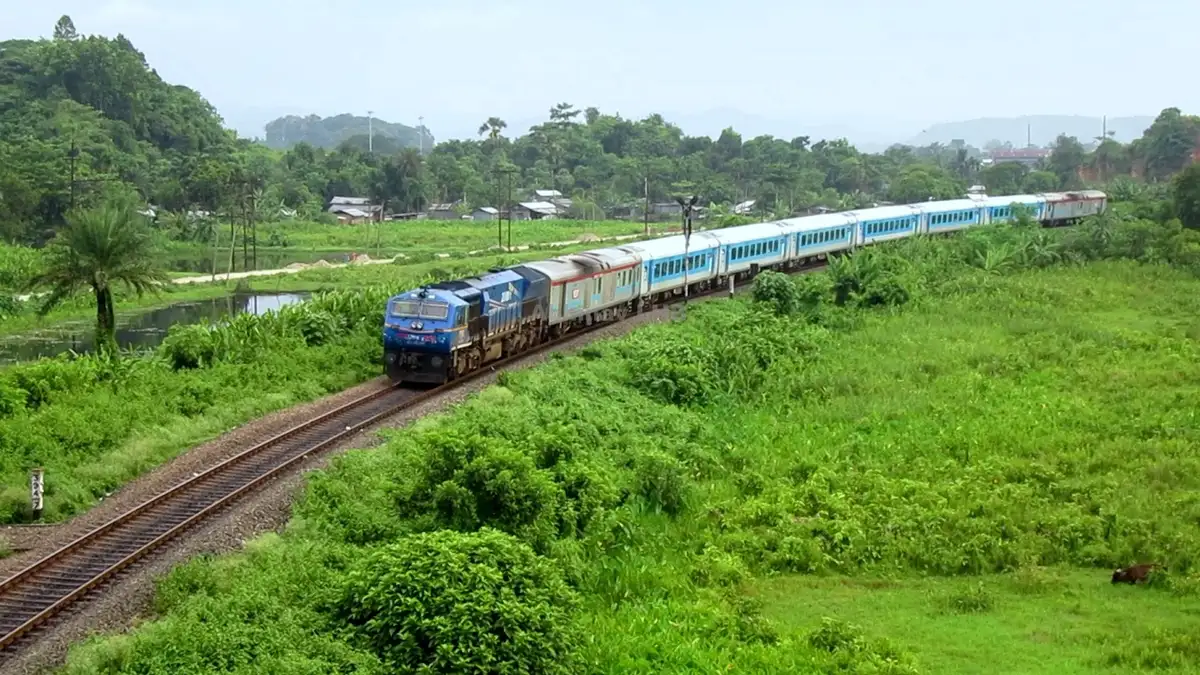

The operational launch of the Silchar Sairang passenger train marks a major step in strengthening Northeast connectivity. The new service links southern Assam with Mizoram’s capital region, improving mobility for residents, traders and students across the Barak Valley and adjoining areas.
The Silchar Sairang passenger train is part of a broader railway expansion aimed at integrating the northeastern states more closely with the national rail network. Sairang, located near Aizawl in Mizoram, has been connected through an ambitious rail project that includes tunnels and bridges across hilly terrain. With passenger operations beginning, the focus now shifts to travel convenience and economic impact.
Strategic Importance for Northeast Connectivity
Northeast connectivity has long faced geographic challenges due to difficult terrain, heavy rainfall and limited transport corridors. Rail infrastructure in the region has gradually expanded over the last decade, connecting more state capitals and remote districts.
The Silchar Sairang route is significant because Mizoram was previously dependent largely on road connectivity to Assam for access to broader railway networks. Silchar serves as a crucial railhead in southern Assam and a gateway to the rest of India. By extending passenger services to Sairang, the region moves closer to seamless rail integration.
Improved connectivity reduces travel time and dependence on long road journeys that are often affected by landslides or weather disruptions. Rail travel also provides a more cost effective option for many families.
Route Details and Travel Benefits
The Silchar Sairang passenger train runs through a challenging hilly alignment designed with modern engineering standards. The project includes multiple tunnels and bridges to ensure safe and stable operation in mountainous terrain.
For passengers, the new train service provides a direct and scheduled connection between southern Assam and Mizoram. This reduces the need for road transfers and multiple travel modes. Students traveling for higher education, patients seeking medical care and small traders moving between the two states benefit directly.
Rail transport is generally more affordable compared to long distance road travel. Regular passenger services also allow predictable scheduling, making it easier for commuters to plan trips.
Economic and Trade Impact
The operational launch of the Silchar Sairang passenger train is expected to stimulate economic activity in both Assam and Mizoram. Rail connectivity lowers logistics costs for transporting goods, especially agricultural produce and essential commodities.
Mizoram’s local products, including horticultural items and bamboo based goods, can now access broader markets more efficiently. Likewise, essential supplies from Assam and other parts of India can reach Mizoram with reduced transit time.
Improved rail infrastructure often attracts ancillary development such as warehousing, small logistics hubs and local businesses near stations. Over time, this can generate employment and encourage private investment in the region.
Boost to Tourism and Regional Mobility
The Northeast is known for its scenic landscapes, cultural diversity and eco tourism potential. Better rail connectivity makes the region more accessible to domestic tourists who prefer train travel.
Visitors can reach Silchar through established routes and then continue onward toward Mizoram using the new passenger service. Reduced travel complexity may encourage more travelers to explore destinations that were previously considered logistically difficult.
Within the region, families and professionals will find it easier to travel between Assam and Mizoram for social, educational and administrative purposes. This strengthens inter state ties and regional integration.
Engineering and Infrastructure Milestone
Constructing railway lines in the Northeast involves complex engineering due to steep gradients, unstable soil and high rainfall. The Silchar Sairang project required extensive tunneling and bridge construction to maintain safety and operational standards.
Modern signaling systems and track technologies have been deployed to ensure smooth operations. Passenger safety measures include standard railway protocols such as regulated speed limits in sensitive stretches and regular maintenance checks.
The successful commissioning of this line demonstrates continued infrastructure investment in the Northeast. It reflects a long term approach toward inclusive national connectivity.
What Passengers Should Know Before Traveling
Passengers planning to use the Silchar Sairang passenger train should check updated schedules and booking availability through official railway platforms. As a new service, timings may be adjusted based on operational experience.
It is advisable to arrive at the station early, especially during the initial weeks of operation when passenger interest may be high. Standard railway ticketing rules apply, including reserved and unreserved options where available.
Weather conditions in the region can occasionally affect operations, particularly during heavy rainfall seasons. Travelers should stay informed about service updates during monsoon months.
Broader Vision for the Northeast
The launch of this passenger train aligns with the broader objective of improving transport infrastructure in the Northeast. Rail expansion complements road and air connectivity projects already underway in the region.
Enhanced connectivity is expected to reduce regional isolation, improve access to services and support economic integration with the rest of the country. For residents of Mizoram and southern Assam, this train service represents both convenience and opportunity.
As passenger operations stabilize, freight movement and additional services may further strengthen the corridor’s role in regional development.
Takeaways
• The Silchar Sairang passenger train enhances rail connectivity between Assam and Mizoram
• Direct rail access reduces travel time and dependence on road transport
• Improved connectivity supports trade, tourism and local economic growth
• The project showcases advanced engineering in challenging terrain
FAQs
Q1. Why is the Silchar Sairang train important for Mizoram?
It connects Mizoram more directly to the national rail network, reducing reliance on long road journeys.
Q2. Who benefits most from this new passenger service?
Students, traders, patients seeking medical travel and local businesses gain from improved and affordable connectivity.
Q3. Does the route face weather related challenges?
The region experiences heavy rainfall, but modern engineering and maintenance practices are designed to manage such conditions.
Q4. Can tourists use this train to visit Mizoram?
Yes, improved rail access makes travel to Mizoram more convenient for domestic tourists.