
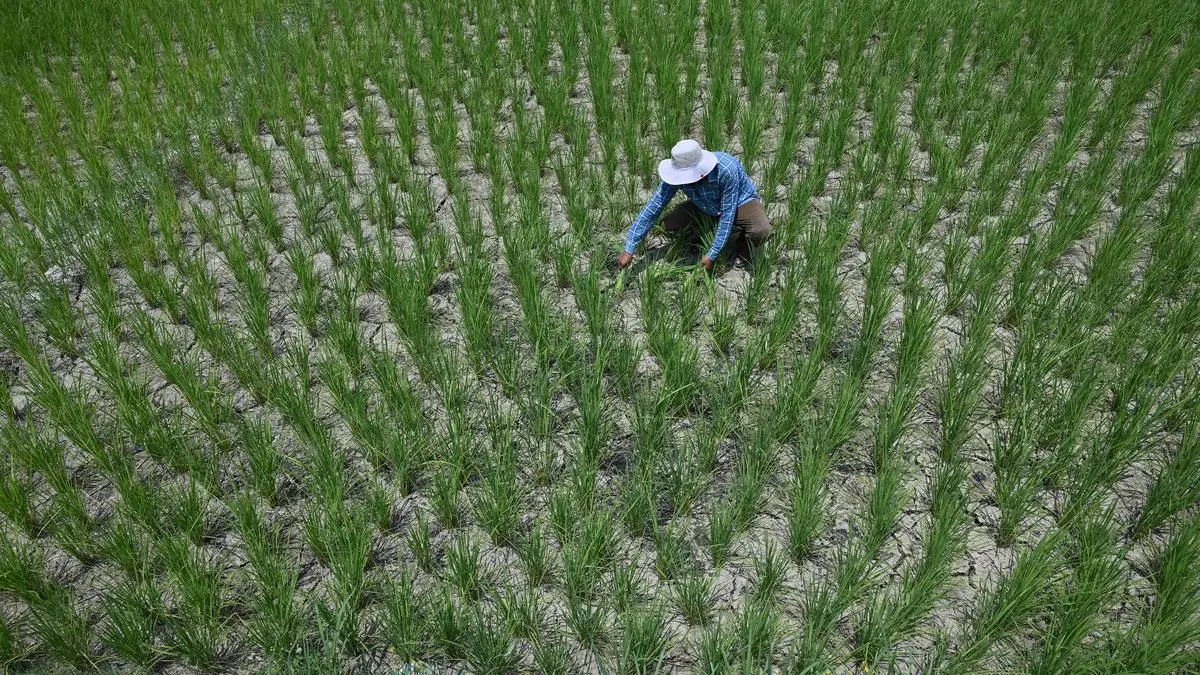

The temperature surge alert in northern India has triggered concern among farmers and agricultural experts as rising heat in March threatens standing rabi crops. Punjab, Haryana, and parts of Madhya Pradesh are closely monitoring wheat, mustard, and gram fields amid early season heat stress signals.
Northern India typically experiences moderate temperatures during the rabi growing phase, especially in February and early March. However, when maximum temperatures rise above normal for several consecutive days, crop development cycles can accelerate, reducing grain filling duration and affecting yields. With wheat harvest approaching in the coming weeks, heat intensity becomes a critical factor.
Why March Heat Is Crucial for Rabi Crops
The rabi season crop cycle in Punjab, Haryana, and Madhya Pradesh depends heavily on cool weather during grain formation. Wheat, the dominant rabi crop in these states, requires optimal temperatures between 20 to 25 degrees Celsius during grain filling.
When temperatures exceed 32 to 35 degrees Celsius prematurely, the plant experiences terminal heat stress. This condition shortens the grain filling period, leading to smaller grain size and potential yield reduction.
Mustard and gram are also sensitive to high temperature spikes. Early heat can accelerate maturation, reduce oil content in mustard, and impact pod formation in pulses.
Agricultural universities and state departments typically issue advisories during such temperature surge alerts to guide farmers on irrigation scheduling and crop protection measures.
Punjab and Haryana Wheat Yield Concerns
Punjab and Haryana together contribute a significant share of India’s wheat procurement under the minimum support price system. Any yield impact in these states directly influences national food grain stocks.
If the temperature surge continues during late grain filling stages, farmers may witness reduced test weight in wheat kernels. Lower test weight can affect procurement quality standards and pricing.
Farmers in canal irrigated zones may mitigate some impact through timely irrigation. However, groundwater dependent regions face additional stress if electricity supply for tube wells becomes irregular.
Field observations often show that late sown wheat is more vulnerable to heat waves. Crops sown after optimal window may not have fully developed root systems, making them susceptible to rapid soil moisture loss.
Madhya Pradesh Crop Implications
Madhya Pradesh has emerged as a major wheat producing state in recent years. The state also cultivates gram and mustard extensively.
A sustained temperature surge in central India can reduce productivity, particularly in rain fed or semi irrigated areas. While irrigated belts in western MP may cope better, eastern and northern districts could see moisture stress if heat coincides with low soil reserves.
Gram crops exposed to high temperatures during pod filling stage often experience shrivelling. This reduces marketable output and affects farmer income.
Local agricultural extension services usually recommend light irrigation, avoiding excessive nitrogen application during heat stress, and monitoring pest outbreaks, which can increase during warm conditions.
Agrarian Risk and Economic Impact
Heat stress in major wheat belts has broader economic implications. Reduced yield may influence mandi arrivals and procurement volumes. This, in turn, affects supply chain planning, flour mills, and public distribution system allocations.
In smaller towns across Punjab, Haryana, and MP, agricultural income drives local economies. Lower harvest volumes can impact tractor dealers, fertiliser suppliers, rural transporters, and small traders.
Farmers also face higher input costs if additional irrigation is required. Electricity consumption for pumps rises, increasing operational expenses. Diesel usage for generators in power deficit areas adds to cost burdens.
Crop insurance claims may increase if yield loss crosses notified thresholds. However, assessment processes take time, and immediate cash flow stress remains a concern for small and marginal farmers.
Government Advisory and Mitigation Measures
State agriculture departments usually issue heat advisory bulletins during abnormal temperature rises. These advisories recommend:
Irrigating crops during early morning or evening to reduce evaporation loss
Avoiding moisture stress at grain filling stage
Monitoring for pests such as aphids in mustard
Using mulch where feasible to retain soil moisture
In recent years, climate variability has increased unpredictability in seasonal patterns. Heat waves arriving earlier than expected are becoming more frequent, forcing farmers to adapt sowing patterns and seed selection strategies.
Research institutions are also promoting heat tolerant wheat varieties that can withstand higher temperatures without significant yield loss. Adoption rates, however, vary by region.
Harvest Outlook for Northern States
If temperature surge conditions remain brief and intermittent, overall harvest damage may be limited. Short heat spells can sometimes be managed with irrigation support.
However, prolonged high temperature phases during critical crop growth stages increase the risk of measurable yield decline. Monitoring weekly weather forecasts becomes essential for farm planning.
Farmers preparing for harvest should inspect grain maturity closely. Early harvesting may be necessary if crops show signs of rapid drying due to heat exposure.
Market arrivals in April and May will provide clearer data on actual yield outcomes. For now, precautionary measures and weather vigilance remain the primary strategy.
Takeaways
• March temperature surge poses risk to wheat and rabi crops
• Punjab and Haryana wheat yields are sensitive to heat stress
• Madhya Pradesh gram and mustard may face moisture challenges
• Timely irrigation and monitoring can reduce potential losses
FAQs
Q1: Why is March heat dangerous for wheat crops?
High temperatures during grain filling shorten development time, reducing grain size and overall yield.
Q2: Can irrigation prevent heat damage?
Timely irrigation helps reduce moisture stress but cannot fully offset prolonged extreme heat.
Q3: Which crops are most affected by temperature surge in northern India?
Wheat, mustard, and gram are particularly vulnerable during late growth stages.
Q4: Will food prices rise due to temperature surge?
Price impact depends on overall yield outcome. Significant production decline can influence market supply and pricing.