
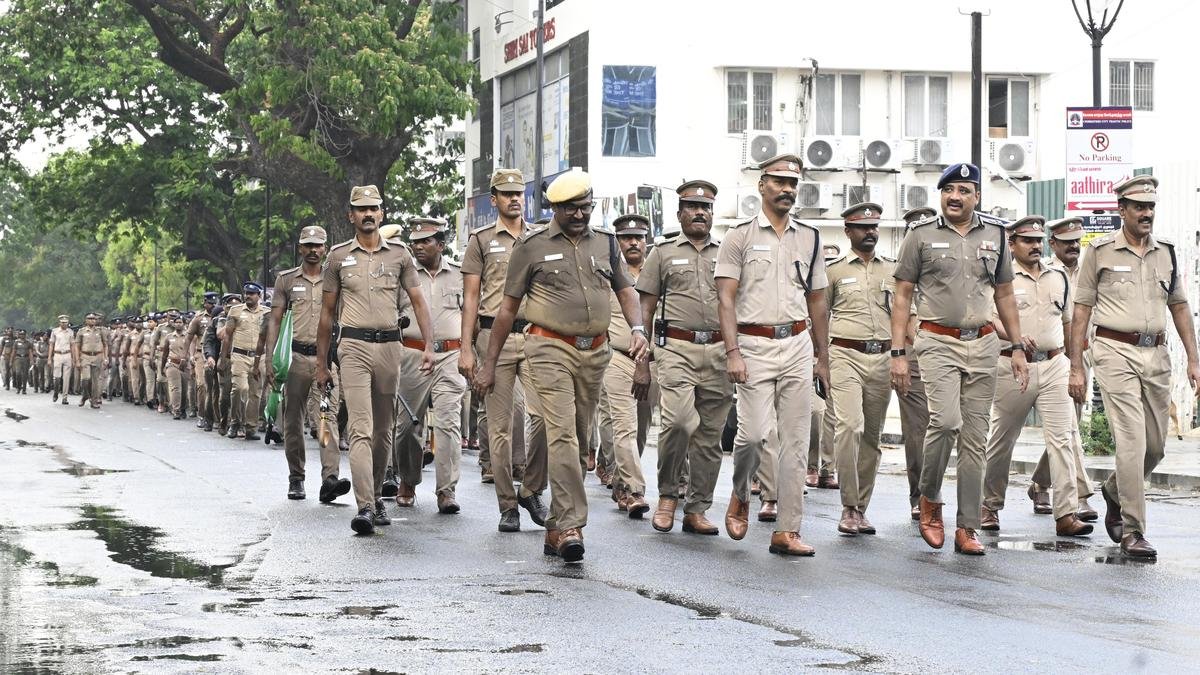

Police flag marches in Tier 2 cities are becoming more frequent as authorities prepare for upcoming elections. These visible security exercises aim to build public confidence, deter unlawful activity, and ensure peaceful voting environments in rapidly growing urban and semi urban regions.
Election preparedness in Tier 2 cities has intensified with police flag marches being conducted across multiple regions to maintain law and order. This topic is time sensitive as it relates directly to ongoing electoral preparations and security strategies. Authorities use such marches to signal readiness, reassure citizens, and prevent potential disturbances during the election period.
Understanding the purpose of police flag marches in elections
Police flag marches are organized public security drills where law enforcement personnel move through sensitive or high population areas in coordinated formations. These exercises serve multiple purposes including crime deterrence, confidence building among voters, and demonstration of administrative preparedness. The presence of uniformed forces helps communicate that authorities are actively monitoring the situation.
In Tier 2 cities, where electoral infrastructure and population dynamics are evolving rapidly, such visible security measures play a critical role. Flag marches are often conducted in coordination with district administrations and election officials to ensure compliance with electoral guidelines and security protocols.
Why Tier 2 cities require enhanced election security planning
Urban expansion and increased political participation have changed the electoral landscape of smaller cities. Many Tier 2 locations are witnessing higher voter turnout and more competitive political contests. This creates a need for proactive security measures to prevent disruptions such as unlawful gatherings or misinformation driven tensions.
Law enforcement agencies assess local risk factors including demographic diversity, past incidents, and logistical challenges. Based on these assessments, flag marches are scheduled in areas considered sensitive. These efforts are part of a broader strategy that includes surveillance systems, deployment of additional personnel, and coordination with central security forces.
Role of police visibility in maintaining voter confidence
Public perception of safety significantly influences voter participation. Visible security arrangements like flag marches reassure citizens that voting processes will be conducted peacefully. This is particularly important in areas where residents may have concerns about electoral fairness or potential disturbances.
Flag marches also function as awareness initiatives, reminding citizens about the importance of following electoral rules and avoiding activities that could disrupt the democratic process. By engaging directly with communities during these exercises, police personnel foster trust and encourage responsible civic behavior.
Operational coordination between election authorities and law enforcement
Election preparedness involves collaboration between multiple agencies including police departments, election commissions, and local administrations. Flag marches are typically conducted after detailed planning meetings that outline security deployment schedules and contingency strategies.
Technological tools such as communication networks, real time monitoring systems, and data analysis support these efforts. Authorities also train personnel on crowd management, emergency response, and legal procedures related to election conduct. Such integrated planning ensures that security operations remain efficient and responsive.
Long term implications for urban governance and public safety
The increasing frequency of police flag marches reflects a broader trend toward proactive urban governance. As Tier 2 cities grow economically and demographically, maintaining public order during major events like elections becomes more complex. Security initiatives introduced during electoral periods often contribute to improved law enforcement practices beyond elections.
These measures also highlight the importance of community engagement in governance. When citizens observe consistent security preparedness, trust in institutions may strengthen. However, authorities must balance visible enforcement with respect for civil liberties to maintain democratic integrity.
Takeaways
• Police flag marches are preventive security exercises aimed at peaceful elections
• Tier 2 cities require enhanced planning due to evolving urban and political dynamics
• Visible law enforcement presence helps boost voter confidence and participation
• Coordinated efforts between agencies ensure effective election preparedness
FAQs
What is the main objective of police flag marches during elections
They are conducted to deter unlawful activity, reassure citizens, and demonstrate readiness to maintain public order.
Why are flag marches more common in Tier 2 cities now
Growing populations and increased political engagement have created a need for stronger security measures.
Do flag marches indicate a high risk of electoral disturbances
Not necessarily. They are precautionary steps to prevent potential issues and ensure smooth voting processes.
How do flag marches benefit voters directly
They help create a sense of safety and encourage citizens to participate confidently in the democratic process.