
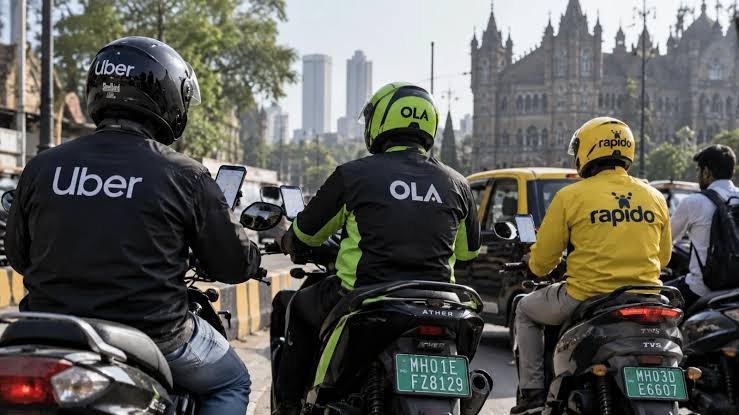

Maharashtra is moving towards a fully electric bike-taxi fleet, with aggregators given a phased transition period to replace petrol motorcycles. The move will affect drivers, passengers, fares, charging requirements and the availability of app-based bike taxis across cities including Mumbai, Pune, Nagpur and Nashik.
Maharashtra Sets Deadline for Electric Bike Taxis
Maharashtra bike taxis are entering a major transition after the state government directed aggregators to move towards a 100% electric fleet. The latest decision gives operators a total transition period of nine months, with six months in the first phase and an additional three months for eligible operators with provisional or temporary licences. The broader deadline for the complete EV transition is July 2027.
The decision is part of Maharashtra’s effort to regulate app-based transport while encouraging cleaner mobility. Bike-taxi services are expected to remain relevant for short-distance travel, particularly for commuters travelling between residential areas, railway stations, metro stations, bus stops, colleges and employment centres.
For passengers, the immediate impact may not be a sudden change in the way a ride is booked. The bigger change will happen gradually as petrol-powered motorcycles are replaced by electric two-wheelers.
Why Maharashtra Is Moving Bike Taxis to EVs
The electric transition is linked to the state’s wider push towards cleaner transportation and lower dependence on petrol. Bike taxis operate frequently in congested urban areas, often covering several short trips during a working day.
Electric vehicles can reduce direct tailpipe emissions because they do not have an internal combustion engine producing exhaust emissions while operating. However, the overall environmental benefit also depends on factors such as how electricity is generated, battery manufacturing and battery disposal.
The government has therefore chosen a fleet-level approach rather than allowing operators to continue indefinitely with petrol motorcycles. The latest directive follows concerns from bike-taxi associations and operators about the cost and practical difficulty of making the transition quickly.
The state had considered a possible 50:50 combination of petrol and electric motorcycles, but that proposal was not accepted. The government instead opted for a complete EV transition with a defined timeline.
What the New Rules Mean for Bike-Taxi Drivers
The transition could be more significant for drivers than for passengers. Many bike-taxi drivers operate their motorcycles as a source of income, so changing from a petrol bike to an electric model can involve a substantial upfront cost.
The Maharashtra Bike-Taxi Rules, 2025 already require licensed operators to have electric bike taxis as part of their operating framework. The rules specify that a licence applicant must have at least 50 electric bike taxis either through ownership or an agreement with vehicle owners. They also require appropriate registration, insurance, fitness certification and facilities for maintenance and battery charging.
Drivers also have to meet specific regulatory requirements. The rules require a valid commercial driving licence and a Public Service Vehicle Badge. Drivers must be between 20 and 50 years old, and the operator is responsible for police verification and driver screening. The rules also require regular safety training and restrict drivers from working for more than eight hours a day.
This means switching to an electric bike alone is not enough. Drivers and operators will have to remain compliant with the wider bike-taxi regulatory framework.
Charging Infrastructure Will Be a Major Challenge
One of the biggest practical questions is charging.
Petrol motorcycles can generally be refuelled within minutes, while electric vehicles need access to compatible charging infrastructure. For a commercial bike completing multiple trips every day, charging availability can directly affect working hours and earnings.
The Maharashtra Bike-Taxi Rules already recognise this issue. Licensed operators are required to maintain adequate garage or parking facilities along with reasonable maintenance and battery-charging arrangements.
The challenge could be greater outside major metropolitan areas. Cities such as Nagpur, Nashik and other Tier-2 locations may have growing demand for app-based mobility but may not have the same charging density as Mumbai or Pune.
For drivers considering an EV, charging time, daily range, battery warranty, service availability and electricity costs will therefore be as important as the purchase price.
What Passengers Can Expect From Electric Bike Taxis
For passengers, the move to electric bike taxis could eventually mean a quieter and cleaner ride. But fares and availability will remain important concerns.
Under the Maharashtra Bike-Taxi Rules, the fare charged to passengers cannot exceed the maximum fare prescribed by the Regional Transport Authority or State Transport Authority. The fare must also be communicated to the passenger before the journey, including through the app where applicable.
Passengers should also expect regulated safety requirements to remain part of the service. The rules require GPS tracking, real-time monitoring arrangements, emergency or urgent helpline facilities and the sharing of driver and ride details with the passenger. The maximum permitted speed for a bike taxi is 60 kmph.
The rules also require helmets for passengers and drivers, while the service provider must make arrangements for passenger safety during rainy conditions. Bike-taxi services can also be suspended during severe weather conditions such as heavy rain or storms when ground conditions make operation unsafe.
Why Tier-2 Cities Could Be Important
The electric bike-taxi transition is not limited to Mumbai and Pune.
The 2025 rules specifically state that efforts should be made to cover cities across Maharashtra with populations above one lakh, beginning with larger cities and expanding to smaller locations. Local authorities can also introduce city-specific conditions, including limits on the number of bike taxis and designated pickup and drop-off locations.
This could make bike taxis useful in Tier-2 cities where public transport does not always provide direct connectivity between neighbourhoods and major transit points.
Nagpur, Nashik and other growing urban centres could see demand for short-distance rides, particularly for last-mile connectivity. At the same time, the success of the model will depend on local charging infrastructure, enforcement, road conditions and passenger demand.
What Drivers Should Check Before Switching to an EV
Drivers planning to continue working in the bike-taxi sector should not make a purchase decision based only on the advertised price of an electric motorcycle.
They should first understand whether the vehicle meets the applicable commercial and bike-taxi requirements. Battery warranty and replacement costs are also important because commercial vehicles can accumulate significantly higher kilometres than privately used motorcycles.
Drivers should also calculate the real daily operating cost. This includes electricity, charging time, maintenance, insurance, financing and potential battery-related expenses.
The transition period gives operators time to make these changes, but the nine-month window means that decisions cannot be postponed indefinitely. Bike-taxi associations had asked for a longer transition period, citing the financial burden on drivers and limited charging infrastructure. The government ultimately approved nine months.
What Happens Next for Maharashtra Bike Taxis
The next phase will focus on implementation. Aggregators will need to progressively increase their electric fleet while meeting licensing and safety requirements.
For passengers, the transition is unlikely to mean that every bike taxi becomes electric overnight. Instead, petrol motorcycles are expected to be phased out during the permitted transition period.
For drivers, the biggest questions will revolve around vehicle financing, charging access, earnings and ownership costs. For cities, the focus will be on ensuring that charging infrastructure grows alongside the electric bike-taxi network.
The policy could make electric mobility more visible in everyday urban transport, but its success will ultimately depend on whether the transition is financially workable for drivers and operationally reliable for passengers.
Key Takeaways
- Maharashtra has set a phased transition towards 100% electric bike-taxi fleets, with a total nine-month transition period for eligible operators and July 2027 as the broader deadline.
- Drivers will need to meet commercial licensing, safety, verification and vehicle requirements in addition to using eligible electric vehicles.
- Charging infrastructure, vehicle cost, battery life and daily operating expenses will be major issues for commercial bike-taxi drivers.
- Passengers will continue to have regulated safety and fare protections under Maharashtra’s bike-taxi framework.
FAQs
When will Maharashtra bike taxis become fully electric?
The Maharashtra government has directed bike-taxi aggregators towards a 100% electric fleet. The latest transition arrangement provides six months initially, with an additional three months for operators covered by the specified provisional or temporary licence provision. The broader deadline is July 2027.
Will petrol bike taxis stop operating immediately?
No. The government has provided a phased transition period rather than requiring an immediate overnight replacement of all petrol motorcycles. Operators will have to progressively shift towards electric vehicles during the permitted period.
What licence does a bike-taxi driver need in Maharashtra?
The Maharashtra Bike-Taxi Rules require drivers to have a valid commercial driving licence and a valid Public Service Vehicle Badge. The rules also specify age, verification, training and working-hour requirements.
Are Maharashtra bike taxis required to follow safety rules?
Yes. The rules include GPS tracking, emergency helpline facilities, passenger and driver details, speed restrictions, helmet requirements and other safety provisions. The fare must also be communicated to passengers before the ride.