
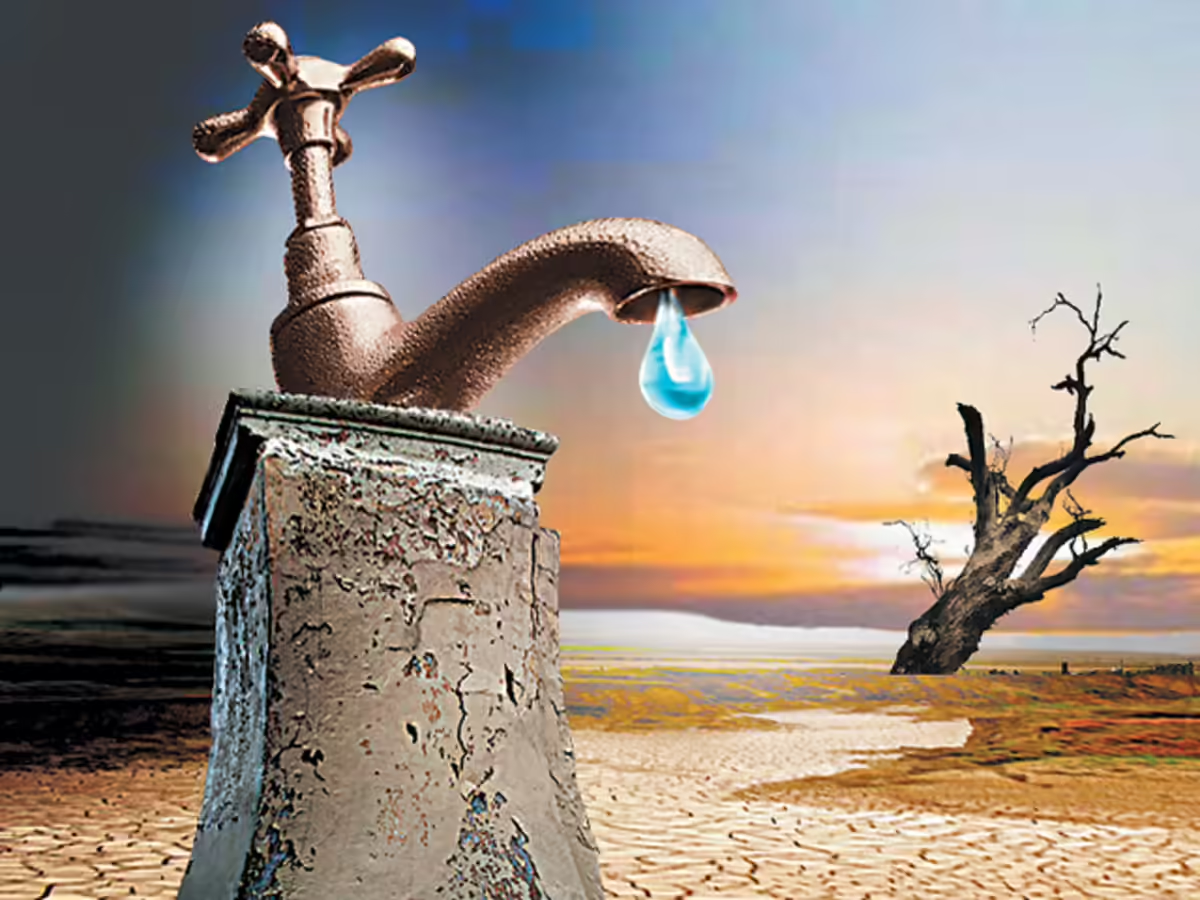

Maharashtra water crisis alerts have surfaced earlier than usual in 2026, raising concerns across multiple cities. Falling reservoir levels and uneven rainfall patterns are prompting authorities to prepare for shortages, especially in urban and semi-urban regions dependent on limited water sources.
The Maharashtra water crisis 2026 is emerging as a time-sensitive issue as several regions report declining water storage levels ahead of peak summer. Early alerts indicate potential supply disruptions, particularly in cities that rely heavily on reservoirs and groundwater sources.
Early Water Shortage Signals Across Maharashtra Cities
Water crisis alerts in Maharashtra have appeared earlier this year compared to previous cycles. Reservoir levels in several districts have dropped faster due to below-average rainfall in certain regions and higher-than-usual winter consumption.
Cities like Nagpur, Pune, Nashik, and parts of Marathwada are already monitoring water usage closely. Local administrations have started reviewing supply schedules and contingency plans to manage potential shortages.
Urban expansion has also increased pressure on existing water infrastructure. As cities grow, demand rises, but supply systems often lag behind, leading to early warning signs of crisis.
Reservoir Levels and Groundwater Concerns in 2026
Reservoir levels play a critical role in determining water availability during summer months. In 2026, uneven monsoon distribution has resulted in lower storage in key dams supplying urban areas.
Groundwater levels are also under stress. Excessive extraction for agriculture and urban use has reduced recharge capacity in many regions. This creates a dual challenge where both surface and underground water sources are strained.
Authorities are tracking storage data closely and may impose usage restrictions if levels continue to decline. Tanker dependency is also expected to rise in areas with limited pipeline supply.
Cities Likely to Be Impacted by Water Shortage
Several cities are at higher risk due to their dependence on specific reservoirs or limited alternative sources. Nagpur, which relies on multiple reservoirs, may face localized shortages if supply balancing becomes difficult.
Pune and Nashik have historically experienced water cuts during low storage periods. Rapid urban growth in these cities has increased demand significantly, making them more vulnerable during weak monsoon years.
Marathwada region continues to remain one of the most affected zones due to recurring drought conditions. Smaller towns in this region often face severe shortages earlier than major cities.
Government Measures and Water Management Strategies
State authorities have started implementing preventive measures to manage the Maharashtra water crisis 2026. These include monitoring reservoir usage, restricting non-essential consumption, and preparing emergency supply plans.
Water tankers are being arranged in advance for high-risk areas. Municipal bodies are also promoting rainwater harvesting and water conservation practices to reduce dependency on external supply.
In some cities, rotational water supply schedules may be introduced if storage levels drop further. This helps distribute available water more evenly across regions.
Impact on Daily Life and Urban Economy
Water shortages directly affect daily routines, especially in densely populated areas. Reduced supply hours, tanker dependency, and rising costs are common outcomes during crisis periods.
For businesses, especially small enterprises and local industries, water availability is critical for operations. Disruptions can lead to productivity losses and increased operational costs.
Households in Tier-2 and Tier-3 cities often face greater challenges due to limited infrastructure. Storage capacity, access to alternative sources, and affordability become key concerns during shortages.
Long-Term Challenges Behind Recurring Water Crisis
The recurring nature of water crises in Maharashtra points to structural challenges. Rapid urbanization, inefficient water distribution systems, and climate variability all contribute to the problem.
Leakages in pipelines and unregulated groundwater extraction worsen the situation. Without long-term planning and infrastructure upgrades, seasonal shortages are likely to continue.
Sustainable water management requires a combination of policy enforcement, infrastructure investment, and public awareness. Addressing these issues is essential to reduce future risks.
What Residents Can Do to Prepare Early
Residents can take practical steps to manage water usage more efficiently. Fixing leaks, using water-saving fixtures, and storing water responsibly can help reduce consumption.
Rainwater harvesting systems can provide an additional source of water, especially during monsoon months. Communities can also work together to manage shared resources more effectively.
Awareness and early preparation play a key role in minimizing the impact of water shortages at the household level.
Takeaways
Maharashtra is facing early water crisis alerts in 2026 due to low reservoir levels
Cities like Nagpur, Pune, and Nashik are among the most affected
Government measures include supply monitoring and possible usage restrictions
Long-term solutions require better infrastructure and sustainable water management
FAQs
Why are water crisis alerts coming early in 2026?
Early alerts are due to lower reservoir levels, uneven rainfall, and increased water demand.
Which cities are most affected in Maharashtra?
Nagpur, Pune, Nashik, and Marathwada region are among the most impacted areas.
Will water cuts be implemented in cities?
Water cuts or rotational supply may be introduced if storage levels continue to decline.
How can households prepare for water shortages?
Households can conserve water, fix leaks, and adopt rainwater harvesting to manage supply better.