
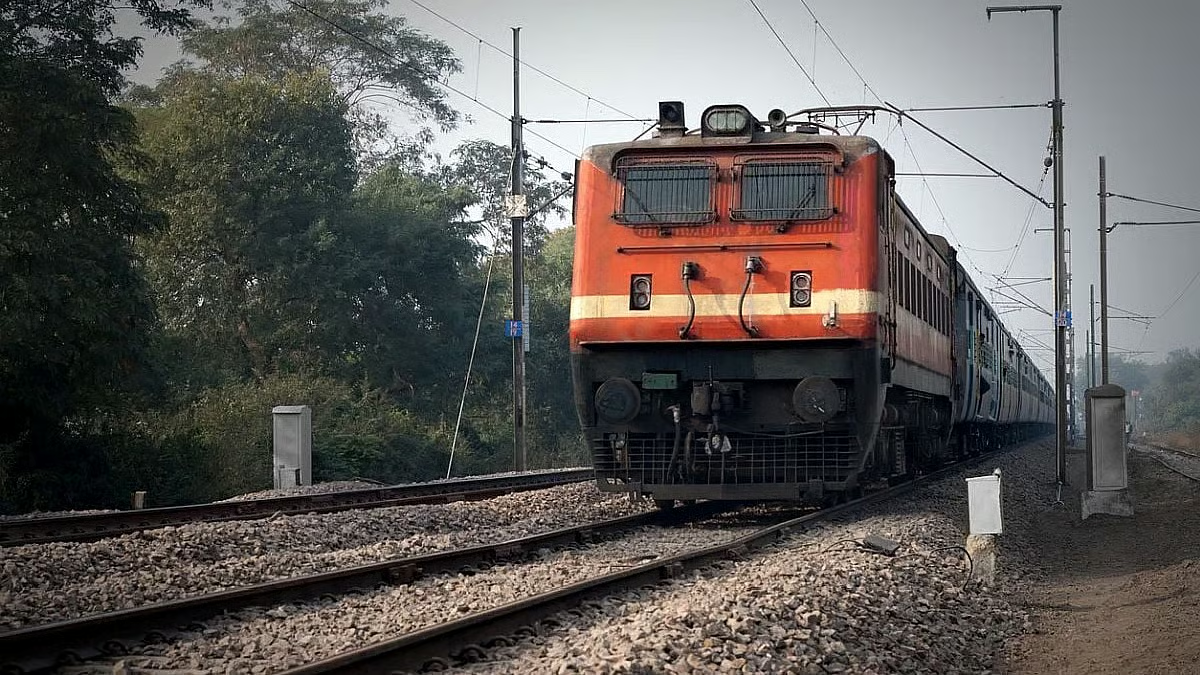

Indian Railways has introduced new timetable changes affecting Central and Western zones, impacting train schedules, travel durations, and connectivity. These updates aim to improve punctuality and efficiency while adjusting routes and timings for better passenger convenience across key regions.
The new railway timetable changes in Central and Western zones are a time-sensitive update as Indian Railways continues to optimize operations. Passengers traveling across Maharashtra, Gujarat, and nearby regions may experience revised train timings, improved scheduling, and changes in stoppages.
What Has Changed in the New Railway Timetable
The latest railway timetable revision focuses on improving train punctuality and reducing delays. Several trains in Central and Western zones have undergone timing adjustments to align better with track availability and operational efficiency.
In some cases, departure and arrival times have been shifted by a few minutes to avoid congestion on busy routes. This is especially relevant for high-traffic corridors connecting Mumbai, Nagpur, Pune, and Ahmedabad.
Railways have also optimized turnaround times for long-distance trains. This helps improve schedule reliability and ensures better utilization of available infrastructure.
Impact on Central Railway Zone Passengers
Passengers using Central Railway routes may notice changes in train schedules, particularly for intercity and suburban services. Routes connecting Mumbai with interior Maharashtra cities like Nagpur and Nashik are among those affected.
For daily commuters, even small timing changes can impact routines. Morning and evening peak-hour trains may have revised schedules to manage crowd flow more effectively.
In addition, some trains may have updated stoppages to improve connectivity for smaller stations. This is significant for Tier-2 and Tier-3 towns that depend heavily on railway access.
Updates in Western Railway Zone Services
The Western Railway zone, covering parts of Maharashtra and Gujarat, has also introduced schedule changes. Trains connecting Mumbai with Surat, Vadodara, and Ahmedabad may see revised timings and improved frequency in certain segments.
Operational adjustments aim to reduce delays caused by track congestion. Freight and passenger train coordination has been optimized to ensure smoother movement across busy routes.
Some express and superfast trains may experience minor changes in journey duration due to these adjustments. These changes are designed to enhance overall efficiency rather than reduce speed.
Changes in Train Stoppages and Route Optimization
Apart from timing revisions, Indian Railways has updated stoppage patterns for select trains. Some stations may see new stoppages added, while others may have reduced halt durations.
This approach helps balance passenger demand and operational efficiency. High-demand stations continue to receive priority, while less busy stops are optimized to reduce travel time.
Route optimization also plays a role in these changes. By adjusting train paths, Railways can minimize conflicts between different services and improve overall network performance.
Benefits of the Revised Railway Timetable
The primary goal of the new timetable is to improve punctuality. Delays caused by congestion, unscheduled halts, and inefficient routing are expected to reduce.
Passengers can benefit from more predictable travel schedules, which is especially important for long-distance journeys. Improved coordination between trains also enhances safety and reduces operational bottlenecks.
For smaller cities, better scheduling and additional stoppages can improve accessibility and connectivity. This supports regional mobility and economic activity.
Challenges Passengers Should Be Aware Of
While the changes aim to improve efficiency, passengers may face short-term confusion due to updated timings. Travelers who rely on fixed schedules must recheck train timings before planning journeys.
Ticket bookings made prior to timetable changes may need to be reviewed to confirm updated departure times. Missing updated information can lead to inconvenience or missed trains.
Railway authorities typically communicate these changes through official channels, but awareness remains key for passengers.
How to Check Updated Train Timings Easily
Passengers can check revised train schedules through official railway platforms, mobile apps, and station inquiry systems. Entering the train number or route details provides updated timing information.
Digital platforms also allow users to track real-time train status, helping them stay informed about delays or changes. For those without internet access, railway inquiry counters at stations remain a reliable option.
Checking timings a day before travel is recommended to avoid last-minute surprises.
Takeaways
New railway timetable updates affect Central and Western zone train schedules
Timing adjustments aim to improve punctuality and reduce congestion
Changes include revised stoppages and optimized train routes
Passengers should verify updated timings before travel to avoid confusion
FAQs
Why has Indian Railways updated the timetable?
The update aims to improve punctuality, reduce delays, and optimize train operations.
Which zones are affected by the latest changes?
Central and Western Railway zones are the primary areas impacted.
Will train timings change significantly?
Most changes are minor adjustments, but they can still affect travel plans.
How can I check the updated train schedule?
You can check through railway apps, official websites, or station inquiry counters.