
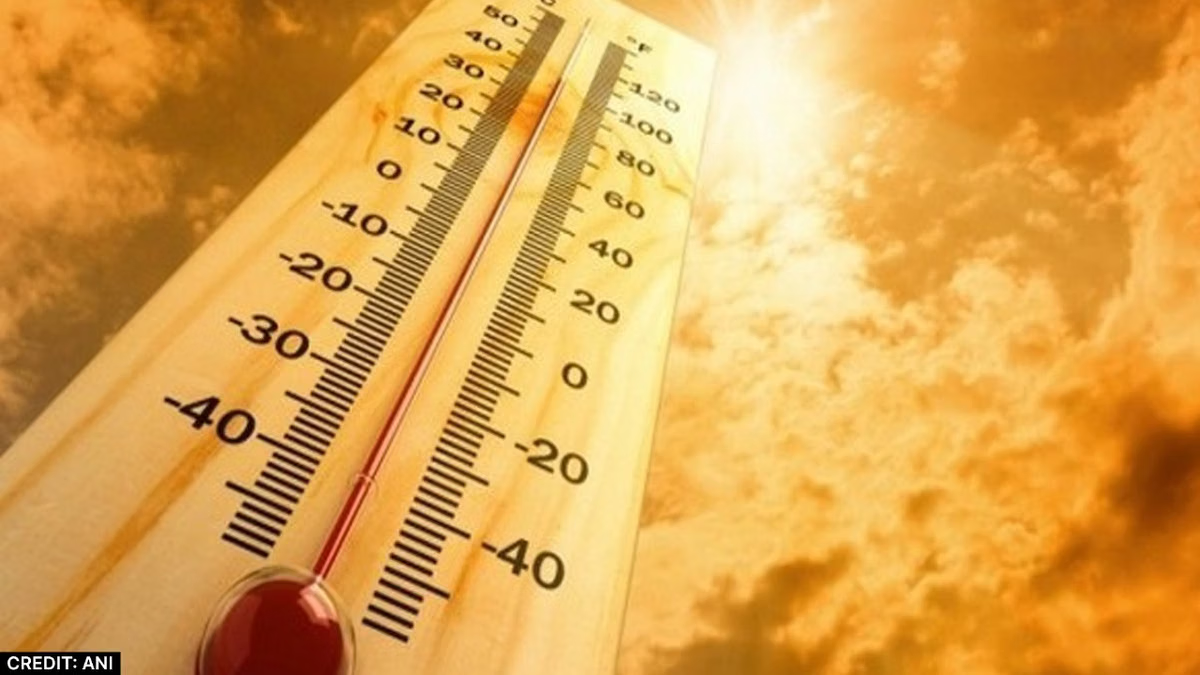

Indore is witnessing a sharp rise in temperatures earlier than usual, indicating the onset of summer across central India. Weather patterns show a steady increase in daytime heat, raising concerns about prolonged heatwave conditions in the coming weeks.
The topic is time-sensitive and news-driven, based on recent temperature spikes and early summer indicators across central India.
Indore Heat Surge Reflects Changing Weather Patterns
The Indore heat surge has brought attention to how quickly temperatures are rising across central India this year. Daytime temperatures in the city have already crossed seasonal averages for late March, signaling an early shift toward peak summer conditions.
Meteorological observations indicate that clear skies and dry winds are accelerating heat buildup. Unlike previous years where gradual warming was observed, the current pattern shows a sharper increase within a short time frame.
This trend is not limited to Indore. Nearby regions in Madhya Pradesh and parts of Maharashtra are also experiencing similar conditions, pointing to a broader regional weather shift.
Rising Temperatures Across Central India Regions
The rising temperatures across central India are affecting multiple Tier-2 cities including Nagpur, Bhopal, and Raipur. These cities typically experience intense summers, but the early arrival of high temperatures is becoming more frequent.
Daytime temperatures are climbing steadily, while nighttime cooling remains limited. This reduces recovery time for the human body, increasing the risk of heat-related health issues.
Urban heat island effects are also contributing to higher temperatures in cities. Concrete structures and reduced green cover trap heat, making urban centers warmer than surrounding areas.
The current heat trend suggests that April and May could see even more intense conditions if the pattern continues.
Impact of Early Summer on Daily Life and Health
An early summer has immediate effects on daily routines, especially in cities with limited cooling infrastructure. Schools, offices, and outdoor workers are among the most affected.
Heat exposure during peak afternoon hours can lead to dehydration, fatigue, and heat exhaustion. In severe cases, prolonged exposure may result in heatstroke, which requires immediate medical attention.
Water consumption increases significantly during such periods, putting pressure on local supply systems. Power demand also rises due to increased use of fans and cooling devices.
For many households in Tier-2 cities, managing both heat and rising utility costs becomes a daily challenge.
Why Central India Is Heating Up Faster
Several factors are contributing to the rapid temperature rise in central India. Weather systems such as western disturbances have been weaker, allowing clear skies and uninterrupted sunlight to heat the surface.
Dry air conditions reduce the possibility of cloud formation, which normally helps regulate temperatures. This leads to faster heat accumulation during the day.
Urban expansion without adequate green cover has further intensified the problem. Cities like Indore and Nagpur are growing rapidly, but infrastructure development often prioritizes construction over environmental balance.
These combined factors are making early heatwaves more common and more intense.
Preparedness Measures as Heatwave Risk Increases
With temperatures already rising, preparedness becomes essential for both individuals and local authorities.
Residents are advised to limit outdoor activities during peak hours and stay hydrated throughout the day. Wearing light clothing and using basic protective measures can reduce heat exposure.
Authorities may issue advisories and take steps such as setting up water distribution points and adjusting school timings if conditions worsen.
Healthcare systems also need to be prepared for an increase in heat-related cases. Early awareness can reduce the overall impact of rising temperatures.
Planning ahead is key as the current trend suggests a longer and more intense summer season.
What This Means for the Coming Weeks
The Indore heat surge is an early indicator of how the summer season may unfold across central India. If current conditions persist, cities could experience extended periods of high temperatures.
This has implications for agriculture, water availability, and energy consumption. Farmers may face challenges related to soil moisture and crop health.
Urban areas may see increased strain on electricity and water supply systems. Managing these pressures will require coordinated efforts at both individual and administrative levels.
Monitoring weather updates and adapting daily routines will be important as the situation evolves.
Takeaways
• Indore and nearby cities are experiencing an early and sharp rise in temperatures
• Central India is likely to face a longer and more intense summer this year
• Health risks increase due to prolonged heat exposure and limited nighttime cooling
• Preparedness and early action can reduce the impact of heatwave conditions
FAQs
Why is Indore experiencing a heat surge in March?
Clear skies, dry weather conditions, and changing climate patterns are causing temperatures to rise earlier than usual.
Which other cities are affected by rising temperatures?
Cities like Nagpur, Bhopal, and Raipur are also seeing similar early summer conditions.
What are the risks of early heatwaves?
They can lead to dehydration, heat exhaustion, increased power demand, and pressure on water resources.
How can people prepare for rising temperatures?
Staying hydrated, avoiding peak heat hours, and following local advisories can help manage the impact.