
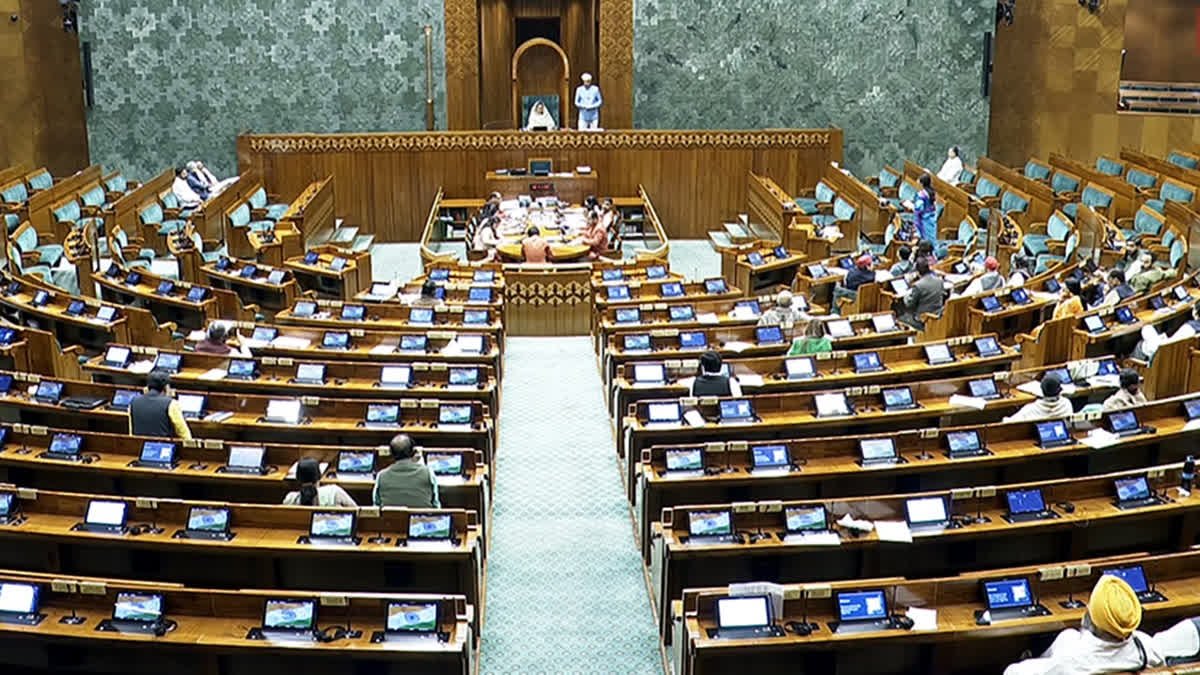

Parliament discussions resuming amid global tensions come at a critical time for India’s economic outlook. With geopolitical uncertainty affecting trade, fuel prices, and markets, policymakers are expected to address key concerns impacting growth, inflation, and investor confidence.
The topic is time-sensitive and news-driven, as ongoing global tensions are influencing economic policy discussions in India.
Parliament Discussions Resume Amid Global Tensions
Parliament discussions resume amid global tensions with a focus on how external developments are shaping India’s economic priorities. Ongoing geopolitical conflicts, particularly in energy-sensitive regions, are impacting global supply chains and commodity prices.
For India, which relies heavily on imported crude oil, these developments directly influence inflation and fiscal planning. Parliament sessions during such periods often include debates on fuel pricing, subsidy allocation, and economic stability measures.
The timing of these discussions is significant as policymakers evaluate both immediate risks and long-term strategies to protect economic growth.
Impact of Global Tensions on India’s Economy
Global tensions have a direct and indirect impact on India’s economy. One of the most immediate effects is seen in crude oil prices, which influence transportation costs, manufacturing expenses, and overall inflation.
Rising input costs can affect multiple sectors, from agriculture to logistics. This eventually impacts consumers through higher prices for essential goods and services.
Financial markets also respond to global uncertainty. Volatility in international markets often leads to fluctuations in Indian stock indices, affecting investor sentiment.
Trade routes and export demand may also be disrupted, especially if geopolitical conflicts escalate further.
Key Economic Issues Likely to Be Discussed
During Parliament discussions, several economic issues are expected to take priority. Fuel price management remains a central concern due to its direct impact on inflation.
Supply chain resilience is another key topic. Ensuring stable imports and exports despite global disruptions is essential for maintaining economic momentum.
The government may also focus on fiscal policies to manage inflation while supporting growth. This includes decisions related to subsidies, taxation, and public spending.
Employment generation and support for small businesses are likely to be discussed, especially in the context of rising operational costs.
Role of Government Policy in Managing Economic Risks
Government policy plays a crucial role in stabilizing the economy during periods of global uncertainty. Strategic decisions on fuel pricing, foreign exchange management, and trade agreements can help mitigate risks.
India has previously used measures such as adjusting import duties and maintaining strategic reserves to manage supply shocks. These tools may be revisited depending on how global conditions evolve.
Monetary policy coordination with the Reserve Bank of India is also important. Interest rate decisions and liquidity management can influence inflation and economic activity.
Clear communication from policymakers helps maintain confidence among businesses and investors.
Impact on Businesses and Consumers
Global tensions and resulting policy decisions have a direct impact on both businesses and consumers. Companies may face higher costs for raw materials, transportation, and energy.
Small and medium enterprises are particularly vulnerable, as they often operate with limited margins. Increased costs can affect production and pricing strategies.
For consumers, the impact is visible in everyday expenses such as fuel, food, and transportation. Rising costs can reduce purchasing power and alter spending behavior.
In Tier-2 and Tier-3 cities, where income levels may be lower, the impact of inflation can be more pronounced.
What to Expect in the Coming Weeks
As Parliament discussions continue, the focus will remain on balancing economic growth with inflation control. Short-term measures may be introduced to manage immediate challenges, while long-term strategies aim to strengthen economic resilience.
Monitoring global developments will be crucial, as changes in geopolitical conditions can quickly alter economic dynamics.
Investors, businesses, and consumers will be watching policy decisions closely to understand how the government plans to navigate the current environment.
The outcome of these discussions will play a key role in shaping India’s economic trajectory in the near term.
Takeaways
• Parliament discussions are focusing on economic challenges linked to global tensions
• Fuel prices, inflation, and supply chains are key areas of concern
• Government policy will play a major role in managing economic risks
• Businesses and consumers are directly affected by rising costs and market uncertainty
FAQs
Why are global tensions affecting India’s economy?
They influence crude oil prices, supply chains, and financial markets, which impact inflation and growth.
What issues are being discussed in Parliament?
Key topics include fuel pricing, inflation control, supply chain stability, and economic policies.
How do these tensions affect common people?
They lead to higher prices for fuel and essential goods, affecting daily expenses.
Will the government take measures to control inflation?
Policy decisions are expected to focus on balancing inflation control with economic growth.