
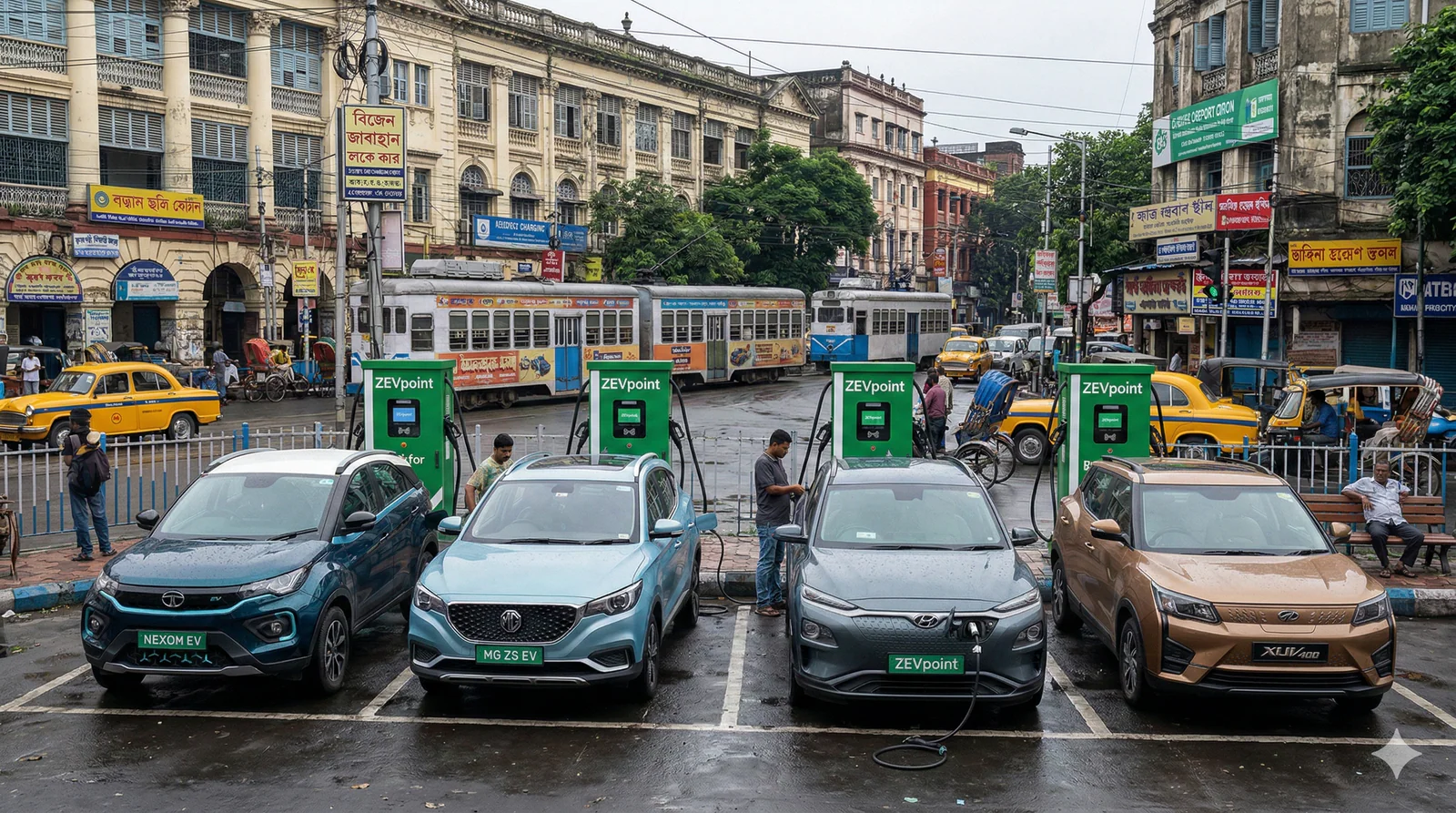

Starting an EV repair business in Tier-2 cities is becoming a practical opportunity as electric vehicles expand beyond metros. With rising adoption of two-wheelers and small commercial EVs, local service demand is growing faster than trained technicians.
Why EV Repair Demand Is Rising in Smaller Cities
The EV repair business in Tier-2 cities is gaining momentum due to increasing electric vehicle adoption supported by government incentives and rising fuel costs. States across India are promoting EV usage through subsidies, which has led to more electric scooters, e-rickshaws, and delivery vehicles on roads.
Unlike metro cities, smaller cities often lack specialized EV service centers. This creates a gap where local entrepreneurs can step in. Most EV owners still depend on limited authorized centers, which may be far or expensive.
Additionally, last-mile delivery services and gig workers are shifting to electric vehicles due to lower running costs. This increases the need for quick, affordable repair and maintenance services locally.
Skills and Training Required for EV Service Business
Starting an EV service center requires a different skill set compared to traditional automobile repair. The focus shifts from mechanical parts to electrical systems, battery management, and diagnostics.
Basic knowledge of lithium-ion batteries, controllers, and electric motors is essential. Many training institutes and online platforms now offer EV repair certification programs that cover these areas.
Hands-on training is important. Understanding how to safely handle high-voltage components reduces risks and builds customer trust. Even a small team should include at least one trained technician.
Soft skills also matter. Explaining technical issues to customers in simple terms helps build long-term relationships, especially in smaller cities where trust drives business.
Investment and Setup Costs for Small EV Workshops
One of the biggest advantages of starting an EV repair business is relatively lower setup cost compared to traditional garages. You do not need heavy mechanical equipment like engine overhaul machines.
Initial investment typically includes diagnostic tools, battery testing equipment, insulated tools, and basic workshop setup. Renting a small commercial space in a Tier-2 city is also more affordable.
On average, a basic EV repair shop can be started with a moderate budget depending on scale. Costs can increase if you plan to stock spare parts or offer battery replacement services.
Location plays a key role. Setting up near residential areas, delivery hubs, or main roads can ensure steady customer flow.
Services You Can Offer to Grow Revenue
An EV service business should not be limited to basic repairs. Offering multiple services can increase revenue and customer retention.
Common services include battery diagnostics, motor repair, controller replacement, wiring checks, and software updates. Preventive maintenance packages can attract regular customers.
Battery-related services are especially important since batteries are the most expensive component in EVs. Offering battery health reports and replacement options can become a major revenue stream.
You can also partner with local EV dealers or fleet operators for regular servicing contracts. This ensures consistent income rather than depending only on walk-in customers.
Challenges and How to Overcome Them
Like any new business, EV repair in Tier-2 cities comes with challenges. The biggest issue is lack of awareness among customers about proper EV maintenance.
Another challenge is sourcing spare parts. Unlike traditional vehicles, EV components are not always easily available in local markets. Building connections with suppliers and distributors is important.
Technical updates can also be a hurdle. EV technology is evolving quickly, so continuous learning is necessary to stay relevant.
Trust building takes time. Since EV repair is still new for many customers, providing transparent pricing and reliable service can help establish credibility.
Government Support and Future Growth Opportunities
Government policies are actively encouraging EV adoption across India. Subsidies under schemes like FAME and state EV policies are increasing the number of electric vehicles on the road.
This directly supports the growth of EV repair businesses. As adoption rises, the need for local service infrastructure will grow alongside it.
Tier-2 and Tier-3 cities are expected to see faster growth in electric two-wheelers and commercial EVs compared to metros. This creates long-term business potential for early entrants.
Entrepreneurs who start now can establish themselves before the market becomes highly competitive.
Takeaways
- EV repair business in Tier-2 cities is a growing opportunity with rising vehicle adoption
- Basic technical training in batteries and electrical systems is essential
- Initial investment is lower compared to traditional automobile workshops
- Offering multiple services and building trust can ensure steady growth
FAQs
Q1. Is EV repair business profitable in small cities?
Yes, demand is increasing due to rising EV adoption and limited service centers.
Q2. How much investment is needed to start?
A basic setup can be started with moderate investment depending on tools and location.
Q3. Do I need technical training to start this business?
Yes, knowledge of EV systems and battery safety is important for operations.
Q4. What services are most in demand?
Battery diagnostics, motor repair, and regular maintenance are commonly required.