
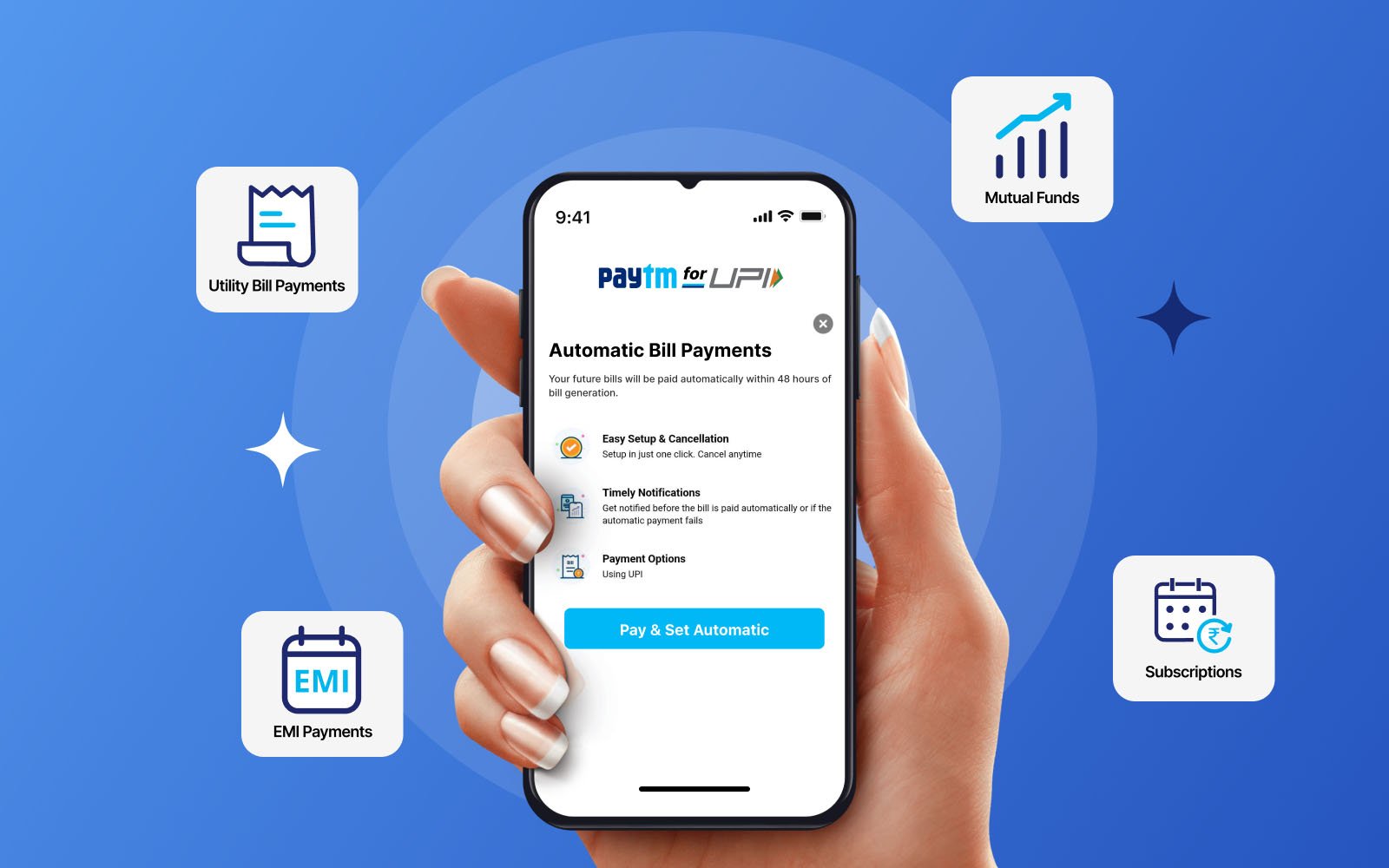

UPI Autopay has made recurring payments in India faster and more convenient, especially for subscriptions and EMIs. However, many users are still unclear about safety controls, limits, and mandate rules. This guide explains how to use it securely without risking unauthorized deductions.
UPI Autopay is a feature introduced by the National Payments Corporation of India that allows automatic recurring payments using UPI without manual approval every time. It is widely used for OTT subscriptions, SIP investments, loan EMIs, and utility bills, but safe usage depends on understanding how mandates work.
What Is UPI Autopay and How It Works in India
UPI Autopay allows users to create an e-mandate that authorizes automatic debit from their bank account. Once approved, payments are deducted on a fixed schedule without requiring repeated PIN entry.
This system is integrated into popular apps like Google Pay, PhonePe, and Paytm. Users receive a one-time notification to approve the mandate, after which payments are processed automatically.
As per NPCI guidelines, transactions up to ₹15,000 per mandate cycle can be auto-debited without additional authentication. For higher amounts, user approval may be required each time.
Setting Up UPI Autopay for Subscriptions and EMIs
To use UPI Autopay safely for subscriptions and EMIs, the setup process must be done carefully.
Start by selecting a service provider such as an OTT platform, loan provider, or mutual fund platform. During checkout, choose UPI Autopay as the payment method.
Enter your UPI ID and approve the mandate request in your UPI app. You will see details like amount, frequency, start date, and end date before confirming.
Always verify:
Payment amount and frequency
Merchant name and purpose
Mandate validity period
Once approved, the system automatically deducts payments as per schedule. You will still receive pre-debit notifications 24 hours before the transaction.
Safety Features and Limits in UPI Autopay Transactions
UPI Autopay is designed with multiple safety layers to prevent misuse. One key feature is the pre-debit notification, which alerts users before every deduction.
Another important control is the mandate limit. As of current rules, auto-debit without additional authentication is capped at ₹15,000 per transaction. This protects users from large unauthorized deductions.
Users can also pause, modify, or cancel mandates anytime through their UPI app. This flexibility is critical for managing subscriptions and stopping unused services.
Banks also monitor unusual activity patterns, adding another layer of fraud detection.
Common Risks and How to Avoid Unauthorized Deductions
While UPI Autopay is secure, misuse can happen if users are careless during setup.
The biggest risk is approving mandates without checking details. Some users accidentally authorize higher amounts or longer durations than intended.
Another issue is forgetting active mandates. Over time, multiple subscriptions can lead to unnoticed deductions.
To avoid this:
Review mandate details before approval
Regularly check active mandates in your UPI app
Cancel unused subscriptions immediately
Never approve autopay requests from unknown merchants. Fraud attempts often involve disguised payment requests.
Best Practices for Managing UPI Autopay in Daily Use
Managing UPI Autopay efficiently is as important as setting it up correctly.
Set reminders to review mandates monthly. Most apps provide a dedicated section to track all active autopay instructions.
Use separate bank accounts for subscriptions if possible. This helps control spending and reduces risk exposure.
Keep your UPI app updated to access the latest security features. Avoid using public WiFi when approving mandates.
For EMI payments, ensure sufficient balance before the due date to avoid penalties or mandate failure.
Growing Use of UPI Autopay in India’s Digital Economy
UPI Autopay adoption has increased significantly with the growth of digital services. From OTT platforms to insurance premiums, recurring payments are becoming standard.
In smaller cities, this feature is helping users avoid missed payments and late fees. It also supports financial discipline by automating commitments like SIPs and loan EMIs.
However, awareness around safe usage is still developing, making user education essential.
Takeaways
UPI Autopay allows automatic recurring payments through secure e-mandates
Transactions up to ₹15,000 can be auto-debited without repeated PIN entry
Always verify mandate details before approval to avoid errors
Regularly review and cancel unused mandates to prevent unnecessary deductions
FAQs
Q1: Is UPI Autopay safe to use in India?
Yes, it is regulated by NPCI and includes features like pre-debit alerts and mandate controls.
Q2: Can I cancel a UPI Autopay mandate anytime?
Yes, you can pause or cancel mandates directly from your UPI app.
Q3: What happens if my account has insufficient balance?
The transaction will fail, and you may face penalties depending on the service provider.
Q4: Is there a limit on UPI Autopay transactions?
Yes, up to ₹15,000 per transaction can be auto-debited without additional authentication.