
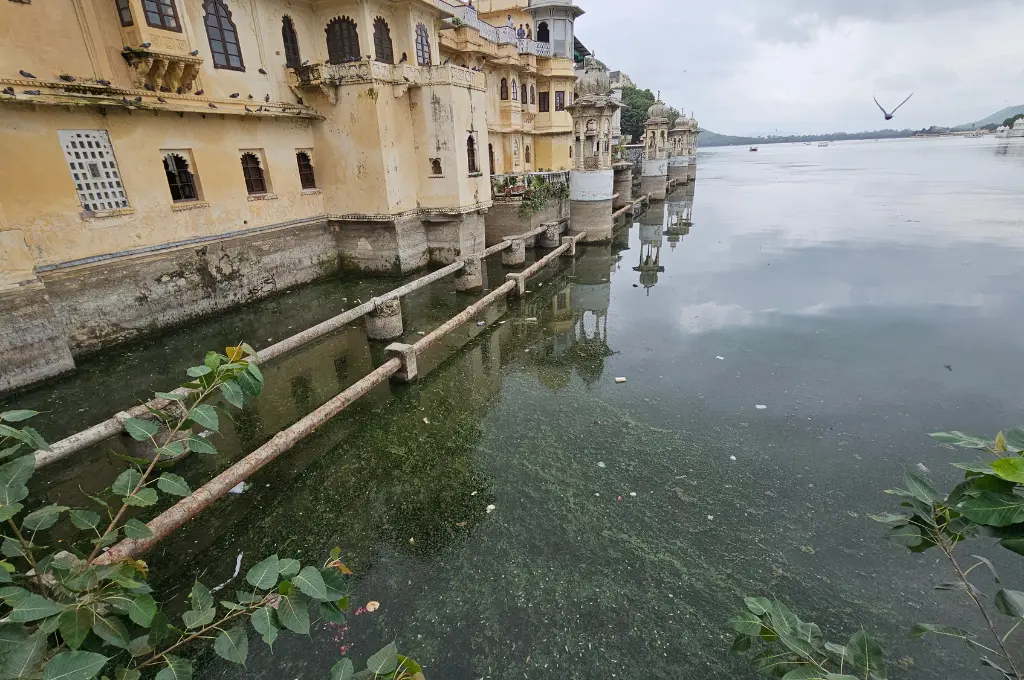

Water crisis alerts in Tier-2 cities are becoming more frequent as rising temperatures, declining groundwater, and urban expansion strain local resources. Reports from multiple regions indicate that smaller cities are now facing water shortages that were once considered a metro problem.
Rising Water Crisis Alerts in Tier-2 Cities Explained
Water crisis alerts in Tier-2 cities have intensified due to a combination of climate factors and infrastructure limitations. Agencies like the Central Water Commission and the India Meteorological Department have highlighted below-normal rainfall patterns and increasing temperatures in several regions.
Cities in central and western India are experiencing falling groundwater levels earlier in the summer season. Reservoir levels are also declining faster due to higher evaporation rates.
This situation has led local authorities to issue alerts, impose restrictions, and monitor water supply more closely.
Ground Situation in Key Tier-2 Regions
Several Tier-2 cities such as Nagpur, Indore, Nashik, and parts of Gujarat are reporting early signs of water stress. In many areas, residents are facing reduced water supply hours and increased dependence on tanker services.
Urban expansion without adequate water infrastructure has worsened the situation. Older pipelines and inefficient distribution systems lead to significant water loss.
In some neighbourhoods, water supply is limited to a few hours a day, forcing households to store water in advance. This creates additional challenges for daily routines.
The ground situation reflects a growing mismatch between demand and supply.
Causes Behind Increasing Water Shortages
The water crisis in Tier-2 cities is driven by multiple factors. Rapid urbanisation has increased demand for water without corresponding infrastructure upgrades.
Over-extraction of groundwater for domestic and agricultural use has lowered water tables significantly. In many regions, recharge rates are not keeping pace with usage.
Climate change has also altered rainfall patterns, making monsoons less predictable. Short bursts of heavy rainfall are not sufficient to replenish groundwater effectively.
These combined factors are creating long-term stress on water resources.
Impact on Daily Life and Local Economy
Water shortages directly affect daily life in smaller cities. Households have to adjust routines based on supply timings, often waking up early to store water.
Businesses such as restaurants, small industries, and construction sites face operational challenges due to limited water availability. Increased dependence on private tankers raises costs.
Agriculture in peri-urban areas is also impacted, as reduced water availability affects irrigation.
The economic impact extends beyond households, affecting productivity and local business activity.
Government Measures and Emergency Responses
Local administrations are taking steps to manage the crisis. Measures include water rationing, tanker supply, and monitoring of groundwater usage.
Some cities have implemented emergency water supply systems to ensure basic needs are met. Public awareness campaigns are encouraging responsible water usage.
Central and state governments are also promoting initiatives for water conservation and infrastructure improvement. Programs linked to rainwater harvesting and watershed management are being expanded.
However, these measures often provide short-term relief and require long-term planning for sustainable impact.
Role of Infrastructure and Urban Planning
Infrastructure gaps are a major reason behind water crisis alerts in Tier-2 cities. Aging pipelines, leakage, and lack of proper storage facilities reduce efficiency.
Urban planning has not always kept pace with population growth. New residential areas often lack adequate water supply systems.
Investments in modern infrastructure, including smart water management systems, are essential to address these challenges.
Improving distribution networks and reducing water loss can significantly enhance supply efficiency.
What Residents Can Do to Manage Water Shortage
Individuals can play an important role in managing water scarcity. Simple practices such as fixing leaks, using water-efficient fixtures, and avoiding wastage can make a difference.
Rainwater harvesting is an effective method to improve water availability at the household level. Reusing water for non-drinking purposes also helps conserve resources.
Community-level initiatives, such as shared storage and awareness programs, can strengthen collective efforts.
Responsible usage is key to managing limited resources during crisis periods.
Long-Term Outlook for Water Availability in Smaller Cities
The water crisis in Tier-2 cities is likely to persist unless structural changes are implemented. Sustainable water management practices and infrastructure upgrades are critical.
Climate adaptation strategies, including efficient irrigation and groundwater recharge, will play a major role in future planning.
Collaboration between government, communities, and experts is necessary to address the issue effectively.
The current alerts serve as a warning for the need to prioritise water security in urban development.
Takeaways
• Water crisis alerts are increasing in Tier-2 cities due to rising demand and climate factors
• Groundwater depletion and poor infrastructure are major contributors
• Short-term measures provide relief but long-term solutions are needed
• Individual and community efforts can help conserve water
FAQs
Why are Tier-2 cities facing water shortages?
Rapid urbanisation, groundwater depletion, and changing rainfall patterns are key reasons.
Which regions are most affected by water crisis alerts?
Central and western India, including cities like Nagpur and Indore, are experiencing significant stress.
What steps are governments taking to address the issue?
Measures include water rationing, tanker supply, and promoting conservation initiatives.
How can individuals help reduce water shortage impact?
By conserving water, fixing leaks, and adopting rainwater harvesting practices.