
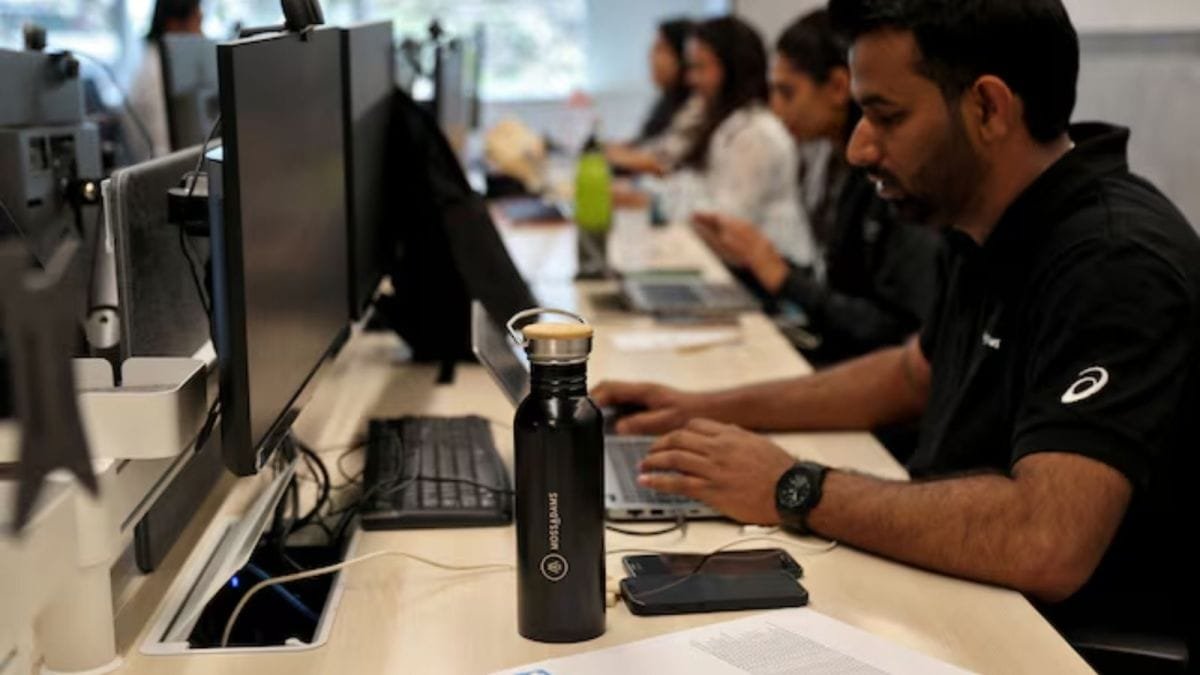

Rising employment opportunities in Tier-2 manufacturing hubs are reshaping India’s job market in 2026. With policy support, improved infrastructure, and supply chain diversification, smaller cities are generating large-scale industrial employment beyond traditional metro regions.
Why Tier-2 Manufacturing Hubs Are Driving Job Growth
Rising employment opportunities in Tier-2 manufacturing hubs are linked to India’s push for decentralised industrial growth. Initiatives such as Make in India and production-linked incentive schemes have encouraged companies to expand manufacturing operations across smaller cities.
Lower land and labour costs in Tier-2 regions make them attractive for industries such as automotive, textiles, electronics, and food processing. Cities like Aurangabad, Coimbatore, Indore, and Rajkot are seeing increased industrial activity.
As companies move beyond metro clusters, job creation is spreading across regions, benefiting local populations and reducing migration pressure on major cities.
Key Industries Creating Jobs in Smaller Cities
Manufacturing hubs in Tier-2 cities are driven by a mix of traditional and emerging industries. Textile and garment manufacturing continues to be a major employer in cities like Surat and Tiruppur.
Automotive and engineering clusters are expanding in regions such as Pune outskirts and Indore, creating skilled and semi-skilled jobs. Electronics manufacturing is also growing due to increased domestic demand and government incentives.
Food processing and agro-based industries are generating employment in areas with strong agricultural output. These sectors provide opportunities for both skilled professionals and local labour.
Diversification across industries ensures stable and sustained job growth.
Role of Industrial Corridors and Infrastructure Development
Infrastructure development is a major factor behind rising employment opportunities in Tier-2 manufacturing hubs. Industrial corridors, logistics parks, and improved connectivity are enabling efficient operations.
Projects supported by the Ministry of Commerce and Industry are improving access to ports, highways, and rail networks. This reduces transportation costs and enhances supply chain efficiency.
Industrial parks and special economic zones are also being developed in smaller cities, providing ready infrastructure for businesses.
These developments attract investment and create a favourable environment for job creation.
Skill Development and Workforce Availability
Availability of a skilled workforce is essential for manufacturing growth. Government programs such as Skill India are training youth in technical and vocational skills.
Industrial training institutes and polytechnic colleges in Tier-2 cities are producing job-ready candidates. This reduces the need for companies to rely solely on metro-based talent.
Upskilling and reskilling initiatives are also helping workers adapt to new technologies and manufacturing processes.
A strong workforce pipeline supports long-term industrial expansion.
Impact on Local Economies and Migration Trends
Job creation in Tier-2 manufacturing hubs is transforming local economies. Increased employment leads to higher income levels, boosting consumption and business activity.
The availability of jobs closer to home reduces migration to metro cities. Many workers now prefer to stay in their hometowns due to lower living costs and improved opportunities.
This shift also supports balanced regional development and reduces pressure on urban infrastructure in large cities.
Local economies benefit from increased spending and business growth.
Challenges Facing Manufacturing Growth in Tier-2 Cities
Despite positive trends, several challenges remain. Infrastructure gaps, especially in power supply and logistics, can affect industrial operations in some regions.
Access to advanced technology and skilled talent may still be limited compared to metro cities. Regulatory processes and land acquisition issues can also delay projects.
Small and medium enterprises may face difficulties in scaling operations due to financial constraints.
Addressing these challenges is essential to sustain employment growth.
Role of Technology and Automation in Job Creation
Technology is playing a dual role in manufacturing. While automation improves efficiency, it also changes the nature of jobs.
New roles are emerging in areas such as machine operation, maintenance, data analysis, and quality control. Workers need to adapt to these changes through continuous learning.
Digital tools and smart manufacturing practices are being adopted in Tier-2 hubs, increasing productivity and competitiveness.
The focus is shifting from manual labour to skilled and technology-driven roles.
Future Outlook for Employment in Manufacturing Hubs
The future of employment in Tier-2 manufacturing hubs looks strong, driven by continued investment and policy support. As infrastructure improves and industries expand, job opportunities are expected to increase further.
Emerging sectors such as renewable energy equipment, electric vehicles, and electronics will create new employment avenues.
Sustained growth will depend on addressing infrastructure and skill gaps while maintaining a business-friendly environment.
Tier-2 cities are set to become key contributors to India’s industrial workforce.
Takeaways
• Tier-2 manufacturing hubs are creating significant employment opportunities
• Government initiatives and infrastructure development are key drivers
• Diverse industries are supporting stable job growth
• Skill development is essential for long-term employment sustainability
FAQs
Why are manufacturing jobs increasing in Tier-2 cities?
Lower costs, policy support, and improved infrastructure are attracting industries.
Which industries are creating the most jobs?
Textiles, automotive, electronics, and food processing are प्रमुख sectors.
How is Skill India helping employment?
It provides training programs to prepare workers for industrial jobs.
Are Tier-2 cities suitable for long-term careers in manufacturing?
Yes, growing industries and improved infrastructure offer stable career opportunities.