
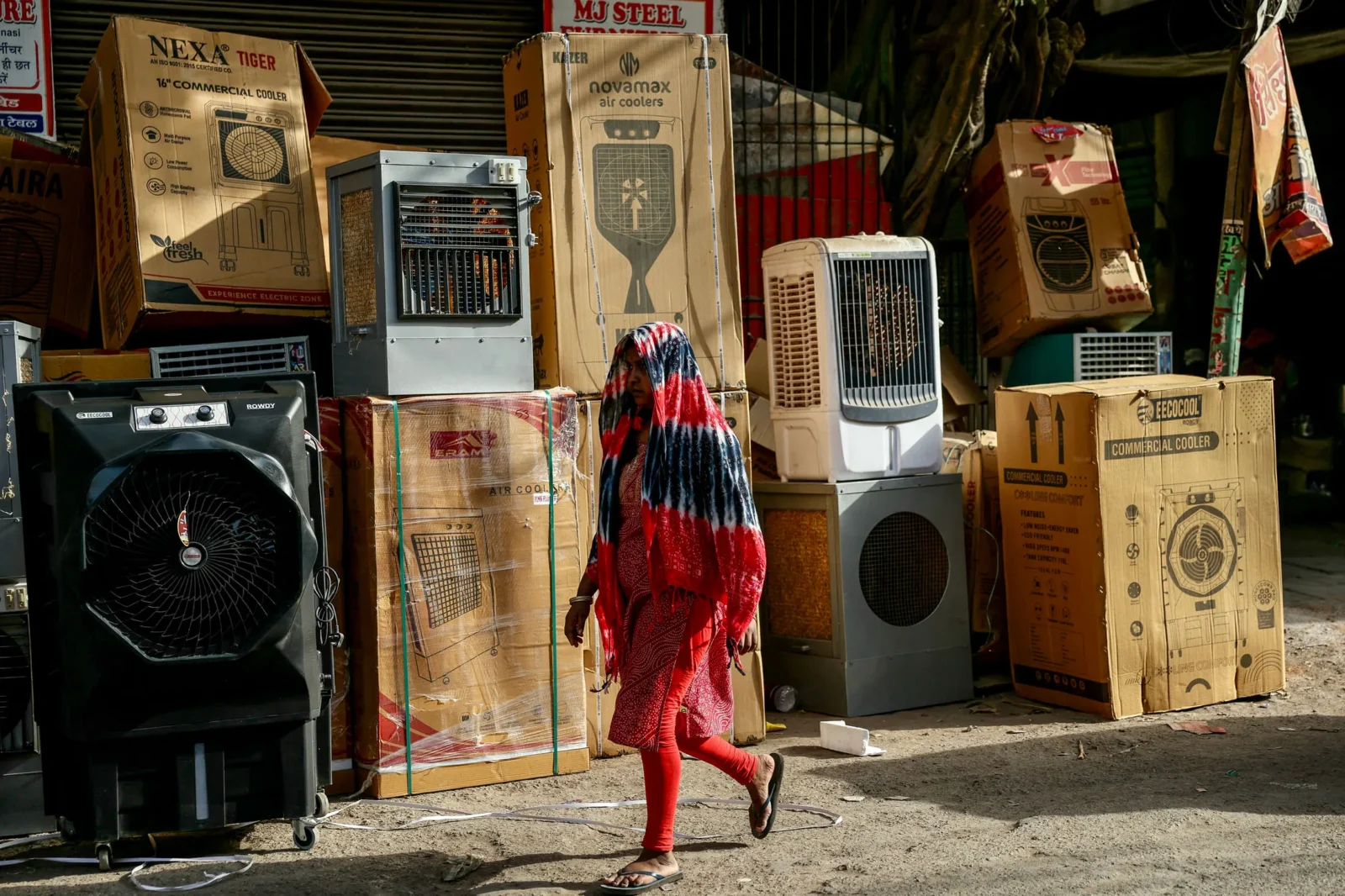

Cooler-than-usual May weather across India in 2026 has surprised meteorologists and residents alike, especially after years of intense heatwaves and record-breaking summer temperatures. Several northern, central, and western regions have experienced below-normal temperatures, unseasonal rain, and cloudy conditions during what is typically one of India’s hottest months.
May is usually associated with extreme heat in India. Cities across Rajasthan, Delhi, Maharashtra, Madhya Pradesh, Telangana, and Uttar Pradesh often record temperatures above 42 degrees Celsius before the arrival of the southwest monsoon. However, weather patterns in early May 2026 have shown noticeable deviations from this trend.
Many states have reported intermittent rainfall, thunderstorms, and extended cloud cover, reducing daytime heat intensity in several regions. This shift has triggered discussions among climate experts, agricultural observers, and disaster management authorities about the atmospheric conditions responsible for the unusual weather.
While the cooler conditions have brought temporary relief to millions of residents, experts caution that changing weather behavior may also reflect larger climate instability patterns rather than a permanent seasonal shift.
Unseasonal Rainfall and Western Disturbances Changed Summer Conditions
Meteorologists attribute much of the cooler weather to the increased activity of western disturbances and moisture-carrying weather systems across northern and central India.
Western disturbances are weather systems originating from the Mediterranean region that move toward the Indian subcontinent during winter and occasionally extend into the pre-monsoon period. In 2026, these systems have remained unusually active during May, bringing cloud cover and rainfall into areas that typically remain dry during this time.
Several northern states including Punjab, Haryana, Himachal Pradesh, Uttarakhand, and parts of Delhi experienced repeated thunderstorms and rainfall spells during the first week of May.
Cloud cover plays a major role in limiting daytime heating because sunlight reaching the Earth’s surface is reduced. Combined with rain-cooled winds and localized storms, temperatures in many cities remained lower than seasonal averages.
Weather agencies have also observed interactions between western disturbances and easterly moisture flow from the Bay of Bengal, which strengthened rainfall activity in some regions.
Heatwave Expectations Were High After Previous Extreme Summers
The unusual weather stands out because India experienced severe heatwave conditions during multiple recent summers. In 2022, 2023, and 2024, several regions recorded prolonged high temperatures that affected electricity demand, water availability, crop conditions, and public health.
Because of these trends, many experts had anticipated another intense pre-monsoon season in 2026. Instead, repeated rain activity delayed the formation of widespread extreme heat conditions in many states.
Cities that normally face harsh May afternoons reported comparatively milder temperatures. Residents in parts of central India and western India also witnessed dust storms, evening rain, and cooler overnight temperatures.
However, meteorologists stress that cooler periods in May do not automatically mean the entire summer season will remain mild. Heatwave conditions can still emerge later if dry weather patterns intensify before monsoon onset.
Experts are monitoring whether the current atmospheric conditions represent temporary fluctuations or signs of broader climate variability linked to global warming and ocean temperature changes.
How Climate Change Is Influencing Unpredictable Weather Patterns
Climate scientists increasingly emphasize that global warming does not simply mean continuously rising temperatures every single day. Instead, climate change often creates more unstable and unpredictable weather systems.
This includes sudden rainfall events, stronger storms, irregular seasonal transitions, prolonged dry periods, and fluctuating temperature patterns.
In India, warmer oceans and changing atmospheric circulation patterns are believed to influence monsoon timing, rainfall intensity, and seasonal heat distribution.
Some researchers suggest that climate instability may increase the frequency of unusual weather combinations, including cooler spells during traditionally hotter periods.
Urbanization also affects local weather behavior. Expanding concrete infrastructure, pollution levels, reduced green cover, and altered land use patterns influence heat absorption and rainfall distribution differently across cities.
Experts caution against interpreting short-term cooler conditions as evidence that climate risks have disappeared. In fact, unpredictable weather itself is increasingly becoming a major climate concern.
Impact on Agriculture, Power Consumption, and Daily Life
The cooler weather has had mixed effects across sectors. In many cities, residents welcomed lower electricity bills due to reduced air-conditioner usage and less severe daytime heat.
Outdoor workers, delivery staff, and construction laborers also experienced some relief from harsh summer conditions.
However, repeated rainfall and storms created challenges in certain agricultural regions. Farmers growing fruits, vegetables, and summer crops in parts of northern India reported concerns about excess moisture, waterlogging, and storm-related crop damage.
Power demand patterns also shifted temporarily. Electricity consumption usually spikes sharply in May because of cooling appliances, but milder temperatures moderated demand in some urban areas.
Travel disruptions were reported in a few regions due to thunderstorms, strong winds, and temporary flooding caused by sudden rain bursts.
Weather departments continue monitoring evolving atmospheric conditions because pre-monsoon patterns can change rapidly during May and June.
What Experts Expect for the Rest of Summer 2026
Forecast agencies remain cautious about long-term summer predictions because weather systems are still evolving.
Some regions may continue experiencing intermittent rain activity during the pre-monsoon transition phase, while others could see temperatures rise rapidly if cloud cover weakens.
The Indian monsoon’s timing and distribution will also play an important role in determining how the remainder of the summer unfolds.
Meteorologists emphasize that one cooler phase does not cancel the possibility of future heatwaves. India remains highly vulnerable to extreme weather fluctuations due to its geography, population density, and climate sensitivity.
For now, the cooler May conditions have provided temporary relief from severe heat, but experts continue studying whether this pattern signals a larger atmospheric shift or simply an unusual seasonal variation.
Key Takeaways
- India experienced cooler-than-usual May weather in several regions during 2026
- Western disturbances and unseasonal rainfall reduced heat intensity
- Climate experts say unpredictable weather patterns are becoming more common
- Cooler temperatures may be temporary and do not eliminate future heatwave risks
FAQ
Why has May 2026 been cooler in many Indian cities?
Frequent western disturbances, cloud cover, and unseasonal rainfall reduced daytime temperatures across several regions.
Does cooler weather mean climate change is slowing down?
No, climate experts say climate change can also increase weather instability and unusual seasonal behavior.
Which regions experienced cooler temperatures?
Parts of northern, central, and western India reported lower-than-normal temperatures and repeated rain activity.
Can heatwaves still happen later in summer?
Yes, meteorologists warn that temperatures can rise quickly if dry weather conditions strengthen before monsoon arrival.