

As digital payments become a part of everyday life, UPI and QR code scams are growing more sophisticated in 2026. Fraudsters are using fake payment requests, manipulated QR codes, and social engineering tactics to trick users into transferring money. Understanding how these scams work is the first step toward protecting your finances.
UPI and QR code scams have become one of the most common forms of digital fraud in India. With millions of transactions taking place daily through popular payment apps, cybercriminals are constantly finding new ways to exploit users. While digital payments offer convenience and speed, they also require greater awareness and caution from consumers.
Understanding How UPI and QR Code Scams Work
A UPI scam typically involves a fraudster convincing a user to authorize a payment rather than receive one. Many victims mistakenly believe that scanning a QR code or approving a collect request will help them receive money. In reality, such actions often result in funds being debited from their account.
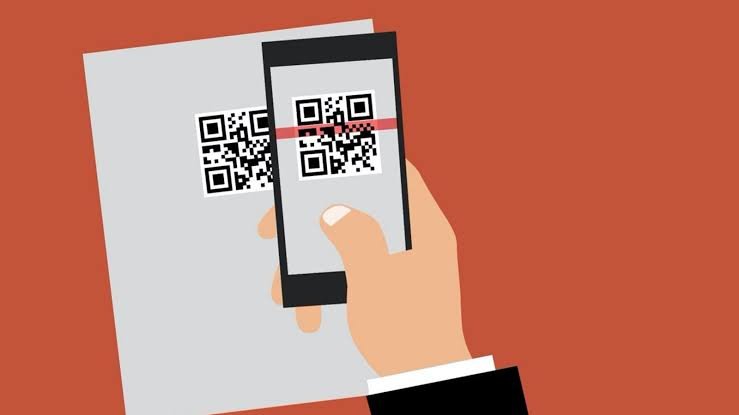
QR code scams have also evolved beyond simple payment fraud. Criminals may place fake QR stickers over legitimate merchant codes or circulate QR images through social media and messaging platforms. Unsuspecting users scan these codes and end up transferring money directly to scammers.
The success of these scams often depends on confusion, urgency, and lack of awareness rather than technical hacking.
Common Digital Payment Fraud Techniques in 2026
Fraudsters increasingly use fake customer care numbers, impersonation calls, social media marketplace scams, and phishing messages to target users. One common tactic involves posing as a buyer interested in purchasing an item online. The scammer claims to send payment through UPI and asks the seller to scan a QR code to receive money.
Another growing trend is the use of fake refund scams. Victims receive calls claiming they are eligible for a refund from an e-commerce platform, bank, or utility company. They are then instructed to approve a collect request or scan a QR code.
Cybercriminals also create fake websites and payment screenshots that appear genuine at first glance. These methods are designed to exploit trust and create confusion during transactions.
How to Verify UPI Transactions Safely
One of the most important rules of UPI safety is understanding that receiving money never requires entering your UPI PIN. If any transaction asks for your PIN, it means money is being sent from your account.
Before approving any request, users should carefully read the payment details displayed on their screen. Check the recipient’s name, amount, and transaction type. Never rush through authorization screens.
Users should also verify merchant QR codes before scanning them. If a QR code appears damaged, altered, or pasted over another code, avoid using it and notify the merchant.
Regularly reviewing transaction history can help identify unauthorized activity at an early stage.
Best Practices for Digital Payment Security
Strong digital payment security begins with protecting personal information. Never share your UPI PIN, OTP, debit card details, internet banking credentials, or account passwords with anyone.
Keep payment apps updated to ensure access to the latest security features and fraud protection mechanisms. Enable app locks, biometric authentication, and device security settings whenever available.
Avoid clicking on suspicious links received through SMS, email, or messaging apps. Fraudulent links may lead to fake login pages designed to steal credentials.
When making online purchases, use trusted platforms and verify seller identities. Be especially cautious when dealing with unknown individuals on social media marketplaces or classified websites.
What to Do If You Become a Victim
If you suspect that you have fallen victim to a UPI or QR code scam, act immediately. Contact your bank and payment service provider as soon as possible. Quick reporting may improve the chances of freezing or tracing fraudulent transactions.
Users should also report cyber fraud through India’s national cybercrime reporting system and notify local authorities if necessary. Saving transaction records, screenshots, and communication details can support investigations.
The faster a fraud incident is reported, the better the chances of minimizing financial losses.
Why Digital Awareness Matters More Than Ever
As India’s digital economy continues to expand, scammers are becoming more skilled at exploiting human behavior. Most successful UPI fraud cases occur because victims unknowingly authorize transactions rather than because payment systems are compromised.
Building awareness about digital payment risks is therefore just as important as technological security. Understanding how fraudsters operate helps users recognize warning signs before any money is lost.
A few seconds spent verifying transaction details can prevent significant financial damage and protect sensitive banking information.
Key Takeaways
• Never enter your UPI PIN or approve requests to receive money.
• Verify QR codes and transaction details before making payments.
• Do not share OTPs, passwords, banking credentials, or UPI PINs with anyone.
• Report suspicious transactions immediately to your bank and cybercrime authorities.
FAQ
Q1. Can scanning a QR code deduct money from my account?
Scanning alone does not deduct money. However, if you authorize a payment after scanning and enter your UPI PIN, funds can be transferred from your account.
Q2. How can I identify a fake UPI payment request?
Check whether the request is a collect request asking for money. Review the sender name, amount, and transaction details carefully before approving anything.
Q3. Is it safe to share my UPI ID?
Generally, sharing a UPI ID is safe for receiving payments. However, never share your UPI PIN, OTP, or banking credentials.
Q4. What should I do if I accidentally approve a fraudulent transaction?
Immediately contact your bank, notify your payment app provider, and report the incident through the national cybercrime reporting platform to seek assistance.
(UPI scam prevention, QR code scam awareness, digital payment security, UPI fraud protection, cyber fraud India, online payment safety, fake QR code scam, UPI collect request scam, digital banking security, cybercrime prevention)