
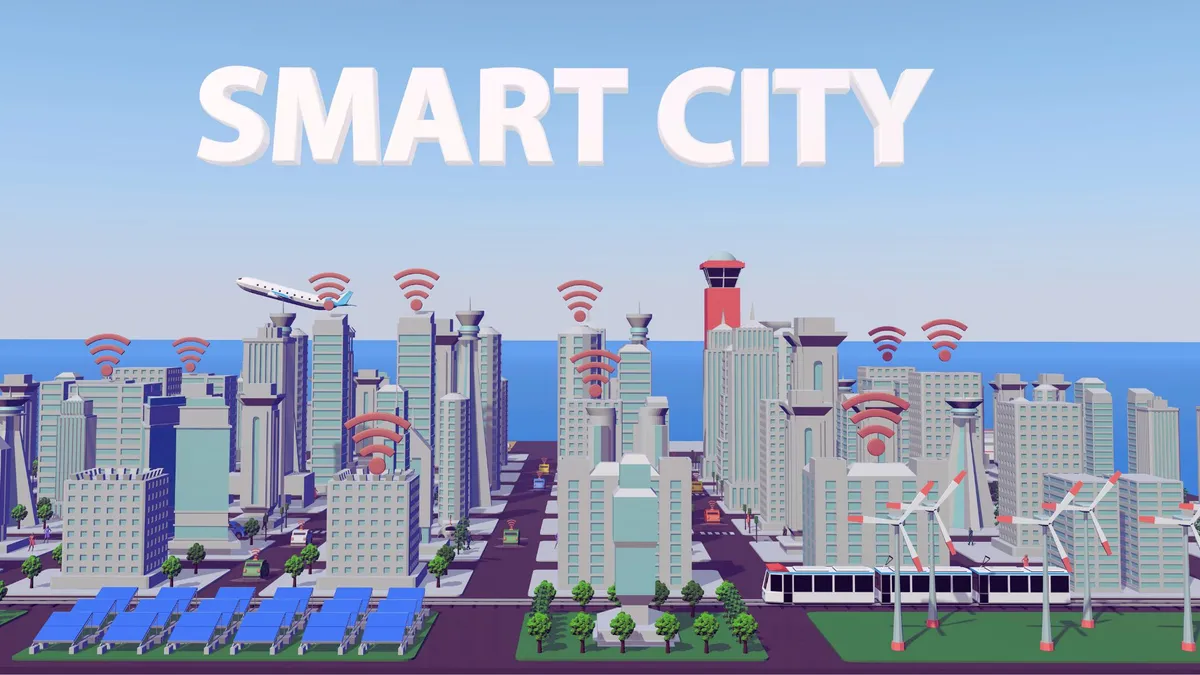

A decade after its launch, India’s Smart Cities Mission has reshaped urban infrastructure across many Tier-2 cities. Investments in digital infrastructure, smart mobility, surveillance systems, public services, and data-driven governance are changing how citizens interact with their cities and access essential services.
The Smart Cities Mission has completed nearly ten years since its launch in 2015, making it an important moment to assess how Tier-2 cities are benefiting from digital infrastructure upgrades. While the initiative initially drew attention for projects in larger urban centers, many of its most visible impacts have emerged in mid-sized cities across India. From integrated command centers and intelligent traffic systems to digital governance platforms and smart public utilities, these upgrades are helping cities improve efficiency, service delivery, and quality of life.
How the Smart Cities Mission Changed Urban Development
The Smart Cities Mission was launched by the Government of India with the goal of improving urban living through technology-driven solutions and sustainable development. One hundred cities were selected to implement projects focused on infrastructure, mobility, public safety, energy efficiency, water management, and digital governance.
Unlike traditional urban development programs, the mission encouraged cities to identify local priorities and adopt technology where it could solve practical challenges. This approach allowed cities with different needs and resources to pursue customized solutions.
Over the past decade, thousands of projects have been completed or are nearing completion. Many Tier-2 cities that previously faced infrastructure limitations have used the program to modernize essential services and improve urban management capabilities.
Digital infrastructure has emerged as one of the most significant outcomes of this transformation.
Integrated Command and Control Centers Improving Governance
One of the most widely implemented features of the Smart Cities Mission has been the creation of Integrated Command and Control Centers.
These centers serve as digital hubs that bring together data from traffic systems, surveillance cameras, emergency services, environmental sensors, public transportation networks, and civic departments. City administrators can monitor operations in real time and respond more effectively to incidents.
Cities such as Nagpur, Indore, Surat, Bhopal, Visakhapatnam, and Vadodara have used command centers to improve traffic management, disaster response, public safety monitoring, and service coordination.
During emergencies such as floods, heatwaves, or major public events, these systems allow authorities to make faster decisions using real-time information. The result is often better coordination between departments and improved public service delivery.
Smart Mobility and Public Transport Upgrades
Digital infrastructure has also transformed urban mobility in many Tier-2 cities.
Intelligent traffic management systems now use sensors, cameras, and adaptive traffic signals to improve traffic flow and reduce congestion. Smart bus shelters, digital passenger information systems, GPS-enabled public transport tracking, and integrated ticketing platforms have enhanced commuter experiences.
Several cities have introduced mobile applications that allow residents to access transport schedules, service updates, and public information from their smartphones.
These improvements may appear incremental, but they significantly improve daily commuting efficiency. For growing cities experiencing rapid population expansion, smart mobility solutions can help reduce transportation bottlenecks and improve accessibility.
The emphasis on data-driven transport management reflects a broader shift toward technology-enabled urban planning.
Digital Governance Making Civic Services Easier
Another major benefit of digital infrastructure upgrades has been the expansion of e-governance services.
Many municipal corporations now offer online platforms for property tax payments, grievance redressal, water bill payments, trade licenses, building approvals, and citizen service requests. This reduces dependence on physical office visits and simplifies administrative processes.
Residents can often submit applications, track requests, and access government services through mobile apps or web portals. This convenience is particularly valuable in cities where administrative offices serve large populations.
Digital governance also improves transparency by creating electronic records and reducing manual processing delays. For local businesses and entrepreneurs, streamlined approvals can save time and improve operational efficiency.
As internet penetration continues to grow, digital service delivery is becoming an increasingly important component of urban governance.
Economic Opportunities for Tier-2 Cities
Digital infrastructure upgrades are not only improving public services but also supporting economic growth.
Better connectivity, improved public infrastructure, and technology-enabled governance make cities more attractive to businesses, startups, educational institutions, and investors. Many companies are increasingly exploring Tier-2 cities as alternatives to expensive metropolitan locations.
Improved digital ecosystems support remote work, entrepreneurship, technology adoption, and innovation. Startups can access digital services more efficiently, while local businesses benefit from improved connectivity and urban infrastructure.
Cities that successfully integrate technology with infrastructure development may gain long-term competitive advantages in attracting investment and talent.
This trend aligns with India’s broader objective of promoting balanced regional development beyond major metropolitan areas.
Challenges and the Road Ahead
Despite notable progress, challenges remain.
Some cities continue to face issues related to project maintenance, interoperability between systems, funding sustainability, and digital literacy. Technology alone cannot solve every urban challenge without strong governance and long-term planning.
Future success will depend on how effectively cities maintain and upgrade infrastructure while ensuring that technology remains accessible and beneficial to all residents.
As the Smart Cities Mission enters its next phase, the focus may increasingly shift from project implementation to operational efficiency, citizen engagement, and long-term sustainability.
The experience of the past decade demonstrates that digital infrastructure can play a meaningful role in improving urban life when aligned with local needs and effective governance.
Takeaways
• The Smart Cities Mission has significantly expanded digital infrastructure across many Tier-2 cities.
• Integrated Command and Control Centers have improved governance, safety, and emergency response.
• Smart mobility and digital governance platforms are making urban services more efficient.
• Better infrastructure is helping Tier-2 cities attract businesses, investment, and economic opportunities.
FAQ
Q1. What is the Smart Cities Mission?
The Smart Cities Mission is a Government of India initiative launched in 2015 to improve urban infrastructure, governance, and quality of life through technology-driven solutions.
Q2. How have Tier-2 cities benefited from the mission?
Many Tier-2 cities have gained digital governance systems, smart mobility solutions, integrated command centers, and upgraded public infrastructure.
Q3. What are Integrated Command and Control Centers?
These are centralized facilities that monitor and manage urban services using real-time data from multiple city systems.
Q4. Are Smart Cities projects still ongoing?
Yes. While many projects have been completed, several cities continue to expand, maintain, and upgrade smart infrastructure initiatives.
(Internal Keyword Suggestions: Smart Cities Mission, digital infrastructure India, Tier-2 cities development, smart city projects, urban digital transformation, smart governance India, intelligent traffic management, integrated command center, urban technology initiatives, smart mobility solutions)