
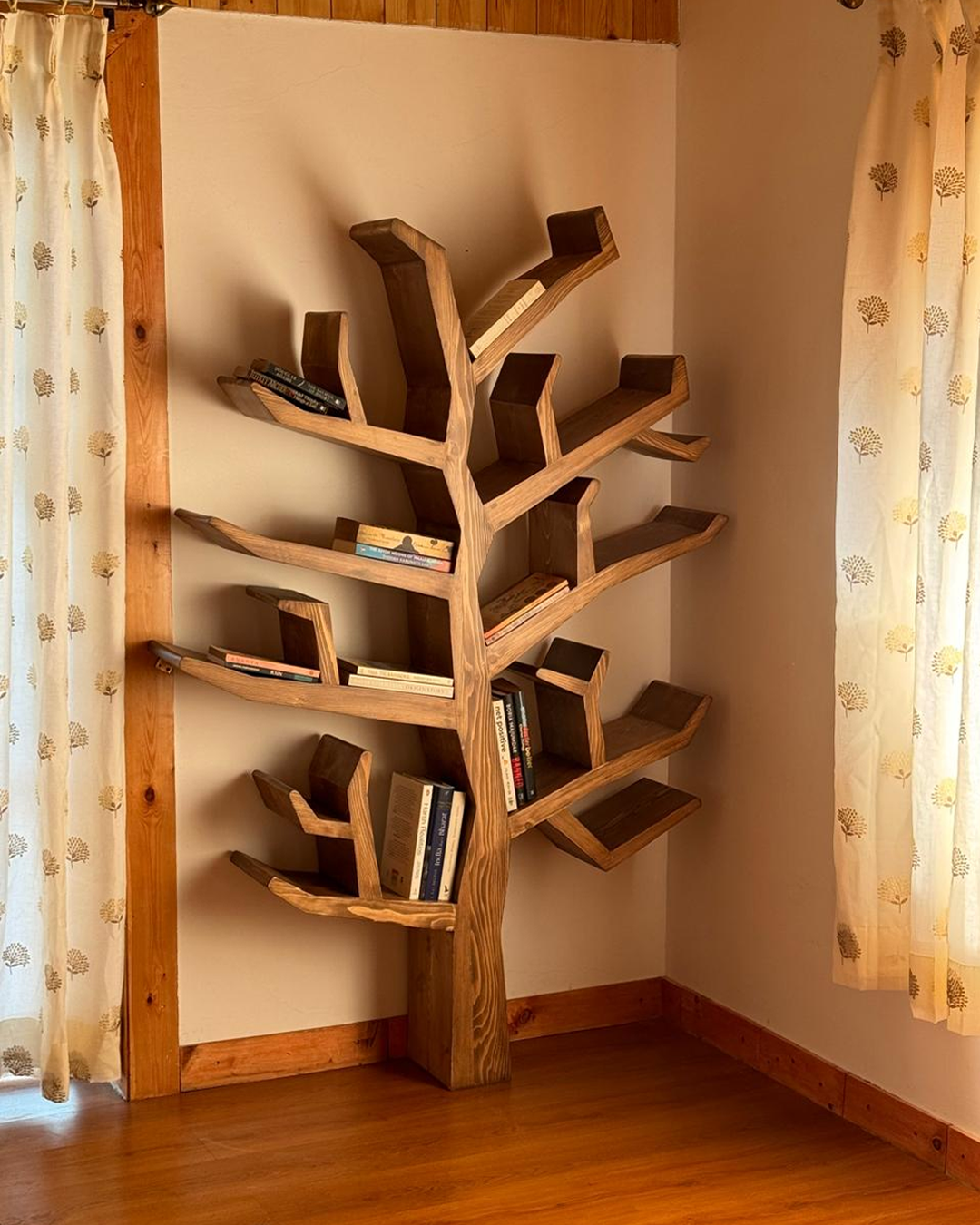

Initial conversations between clients and craftspeople are often a little unstructured, and that’s exactly as it should be. People arrive with Pinterest boards, magazine cutouts, half formed ideas, rough sketches. The designer’s job is to turn that raw material into a clear direction.
Designers measure spaces carefully and ask how people actually live in their homes. Do you cook often? Have children? Host parties? Own pets that might scratch a surface? These details shape everything downstream. A design that suits a couple with no children looks nothing like one built for a family with three energetic kids.
Wootique consultations typically run 30 to 60 minutes, because these small details end up mattering a great deal.
Then comes the sketch phase. Conversations get translated into drawings, starting rough and getting progressively more detailed with real measurements. Sometimes the first attempt is close to right. More often, there’s back and forth: legs thinner, height adjusted, a detail reconsidered. This phase can’t be rushed, since it’s where the vision starts becoming real, and every change gets discussed and re-sketched until everyone is aligned.
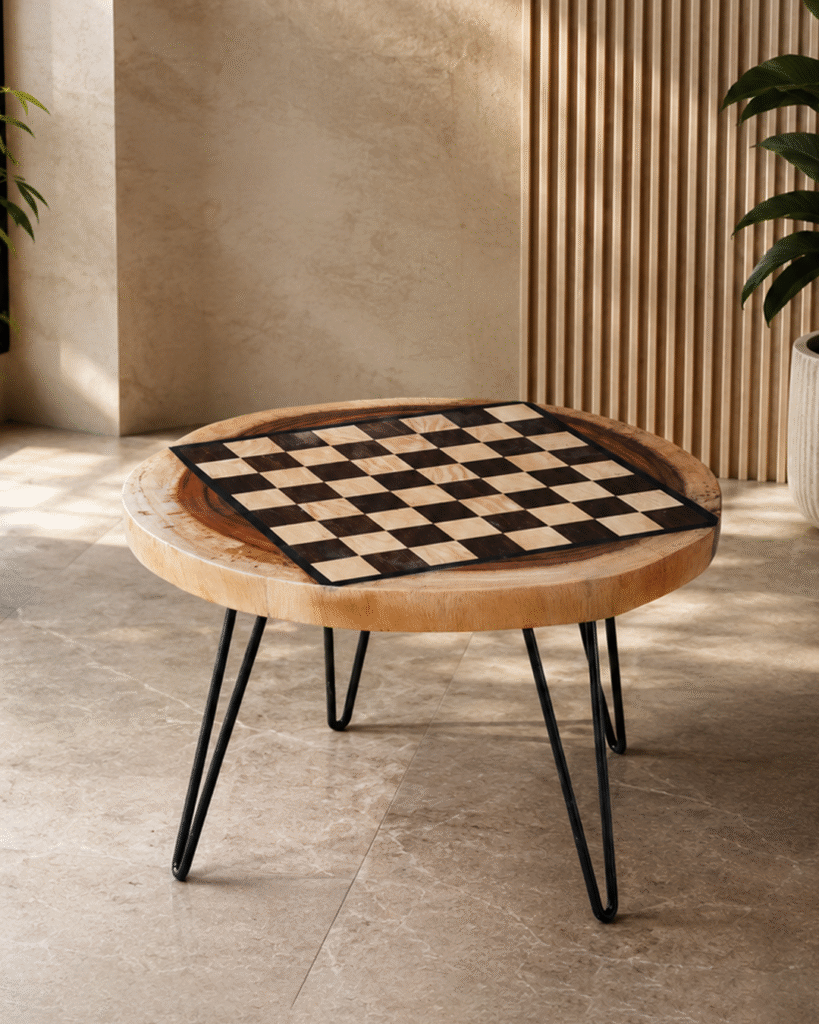
Material selection is its own decision point. Which wood suits the space? Matte or glossy finish? Which hardware style? These choices affect appearance, longevity, and how much upkeep the piece will need. A matte finish looks elegant but asks for more care than a glossy one. Walnut shows dust differently than teak does. Every decision connects back to how the piece will actually be used.
Then comes the building itself, which is deliberately unhurried. Wood needs time to acclimate to humidity, which prevents warping later. Joinery calls for precision, with joints cut tight and mortises fitted exactly. Finishing is not just a coat of colour; it protects the wood, brings out the grain, and adds depth, usually across multiple coats with sanding in between.
Before delivery, the piece goes through a thorough inspection. Every surface gets examined under good light, every joint gets tested for solidity and feel. Only once it passes does it leave the workshop. This isn’t a formality; it’s simply the craft standard.
The result is a piece designed specifically for one home, built to last decades, and likely to grow more beautiful with age. That’s what custom furniture is meant to be.