
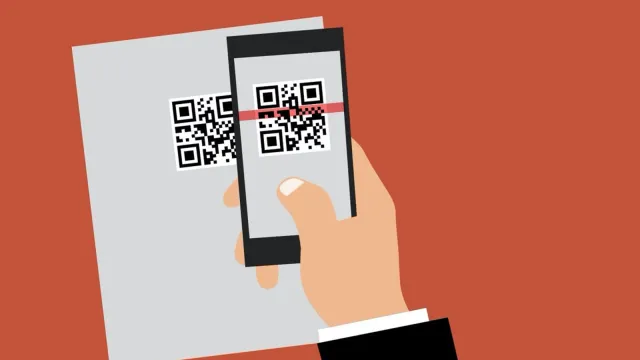

UPI has transformed digital payments in India, but it has also become a target for cybercriminals. This guide explains the latest UPI and QR code scams, warning signs to watch for, and practical steps you can take in 2026 to keep your money and personal information safe.
How to protect yourself from UPI and QR code scams is an important concern as digital payments continue to grow across India. Millions of people use UPI every day for shopping, bill payments, money transfers, and online purchases. While the Unified Payments Interface offers convenience and speed, fraudsters constantly develop new ways to trick users into authorizing payments or revealing sensitive information. Understanding how these scams work is the first step toward preventing financial loss.
This is an evergreen educational topic. Although scam tactics evolve over time, the core safety principles recommended by the National Payments Corporation of India (NPCI), the Reserve Bank of India (RBI), banks, and cybersecurity experts remain consistent.
Why UPI and QR Code Scams Are Increasing
India processes billions of UPI transactions every month, making digital payments an attractive target for cybercriminals. Fraudsters often rely on social engineering rather than technical hacking. Instead of breaking into banking systems, they manipulate users into voluntarily approving payments.
Common targets include:
- Online buyers and sellers
- Small business owners
- Students
- Senior citizens
- Freelancers
- People using online marketplaces
Many scams succeed because victims are unfamiliar with how UPI payment requests and QR codes actually work.
Remember one simple rule: receiving money and sending money are two different actions. Fraudsters often exploit this confusion.
Common UPI Scams to Watch in 2026
Cybercriminals continue to use familiar fraud methods while adapting them to new platforms.
Some of the most common scams include:
Fake payment request scams: A scammer claims to send money but instead sends a payment request. If you enter your UPI PIN, you authorize a payment from your account instead of receiving money.
QR code scams: Fraudsters send a QR code claiming it is needed to receive a refund, salary, prize, or advance payment. In reality, scanning the code initiates a payment from your account.
Customer care scams: Fake customer support numbers found through search engines or social media convince users to install remote access apps or share confidential information.
Marketplace scams: Fraudsters posing as buyers on classified websites ask sellers to scan a QR code to receive payment, leading to unauthorized transactions.
Understanding these tactics can help you identify suspicious requests before money leaves your account.
How QR Code Scams Actually Work
Many people mistakenly believe every QR code is used to receive money.
In reality, QR codes can initiate payments depending on how they are generated.
For example, if someone says, “Scan this QR code to receive ₹5,000,” treat it as a warning sign.
Legitimate UPI transfers do not require the recipient to scan a QR code to receive money. A sender only needs your UPI ID, linked mobile number, or bank account details where applicable.
If scanning a QR code asks for your UPI PIN, you are almost certainly authorizing a payment rather than accepting one.
Never enter your UPI PIN unless you personally intend to make a payment.
Best Practices to Protect Your Money
Following a few simple habits can significantly reduce your risk of fraud.
Always:
- Verify the recipient before making any payment.
- Read every UPI screen carefully before approving a transaction.
- Never share your UPI PIN.
- Never disclose OTPs to anyone.
- Enable transaction alerts through your banking app.
- Use only official banking and UPI applications.
- Keep your phone and apps updated with the latest security patches.
- Set strong screen lock protection on your mobile device.
If someone pressures you to complete a transaction quickly, pause and verify the request independently.
Scammers often create a false sense of urgency to prevent victims from thinking carefully.
What to Do If You Suspect a Scam
Quick action can improve the chances of limiting financial loss.
If you believe you have approved a fraudulent payment:
- Contact your bank immediately.
- Report the incident through your UPI application’s support system.
- Call the National Cyber Crime Helpline at 1930 as soon as possible.
- File a complaint on the National Cyber Crime Reporting Portal.
- Block compromised banking services if advised by your bank.
- Change passwords and review recent transactions.
Preserve screenshots, transaction IDs, mobile numbers, and communication records, as these may assist investigators.
Avoid deleting conversations or payment notifications until your complaint has been processed.
Safe Digital Payment Habits for Everyday Users
Digital payment security is not only about avoiding scams but also about building safe habits.
Before completing any transaction:
- Double-check the merchant’s name.
- Verify the payment amount.
- Confirm whether you are paying or receiving money.
- Avoid using public Wi-Fi for sensitive banking transactions.
- Download apps only from official app stores.
- Review bank statements regularly for unauthorized activity.
Parents should also educate elderly family members and first-time smartphone users, as they are often targeted by fraudsters using convincing stories and fake customer support calls.
Awareness remains one of the strongest defenses against financial fraud.
Takeaways
- UPI scams usually rely on deception rather than technical hacking, making user awareness essential.
- Scanning a QR code does not guarantee you are receiving money. Always verify what the transaction screen displays.
- Never share your UPI PIN or OTP, and approve payments only after confirming the recipient and amount.
- If you suspect fraud, report it immediately to your bank, your payment service provider, and the National Cyber Crime Helpline at 1930.
Frequently Asked Questions
Q1. Can someone steal money just by knowing my UPI ID?
No. A UPI ID alone is generally not enough to debit your account. A payment requires your authorization, usually by entering your UPI PIN.
Q2. Is it safe to scan every QR code?
No. Only scan QR codes from trusted individuals or verified businesses. Fraudulent QR codes may lead you to authorize a payment or visit malicious websites.
Q3. Can anyone ask for my UPI PIN to complete a transaction?
No. Banks, UPI apps, NPCI, and customer support representatives will never ask for your UPI PIN. It should remain confidential at all times.
Q4. What should I do immediately after a fraudulent UPI transaction?
Contact your bank or payment app immediately, report the incident through the National Cyber Crime Helpline (1930) or the National Cyber Crime Reporting Portal, and preserve all transaction details for investigation.