
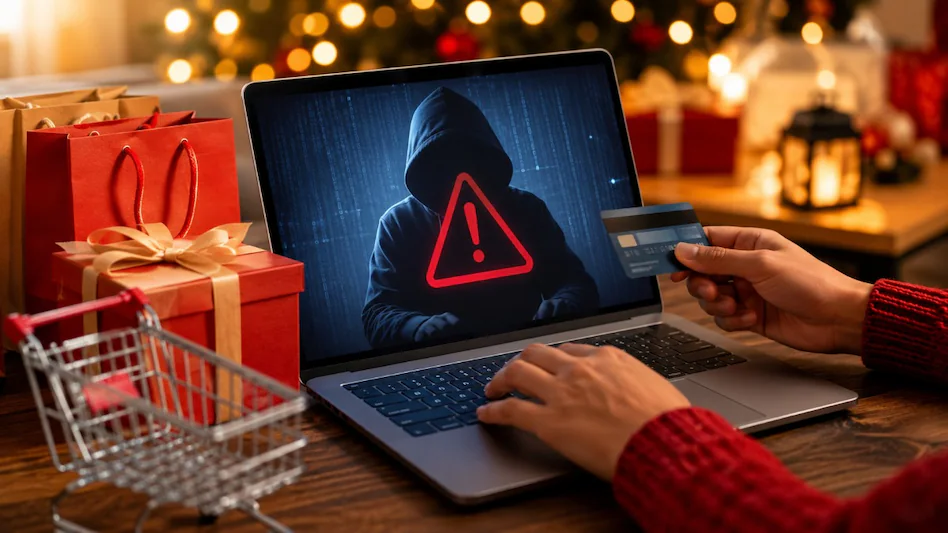

As festive shopping picks up across India, AI-powered shopping tools are becoming part of the online buying experience. At the same time, banks and cybersecurity experts are warning that artificial intelligence could make shopping fraud more convincing. Knowing how to identify fake offers, suspicious links, cloned websites and unusual payment requests can help shoppers avoid costly mistakes.
Why AI Shopping Scams Are Becoming a Concern
AI-powered shopping is becoming increasingly common as consumers prepare for major festive sales. Amazon, for example, is already using tools such as Rufus, Lens AI, Review Highlights and Price History to help customers discover and compare products.
The technology itself is not a scam. The concern is how criminals can use similar AI capabilities to make fraudulent messages, websites, advertisements and customer-support conversations look more realistic.
A Reuters report published this week said several major banks have raised concerns about AI agents used in online shopping, including risks involving fraud, privacy and financial information. The report also noted that AI shopping systems are developing faster than some consumer-protection standards.
For Indian shoppers, the timing matters. Amazon’s Great Indian Festival is scheduled to begin on October 8, while Flipkart has also announced its Big Billion Days event. These large sales bring millions of consumers online and create more opportunities for scammers to imitate genuine offers and shopping communications.
Fake Shopping Websites Can Look Almost Genuine
One of the easiest ways for scammers to attract shoppers is through websites that imitate well-known marketplaces or brands.
A fake website may use a familiar logo, similar colours, product photographs and apparently genuine customer reviews. The website address, however, may contain unusual spellings, extra words or a domain that does not belong to the company.
An advertisement on Instagram, Facebook, WhatsApp or another platform may also redirect users to such a website.
Before entering your mobile number, card details, UPI information or password, check the website address carefully. Instead of clicking an unfamiliar sale link, open the official shopping app or type the recognised website address yourself.
This is particularly important when a message claims that a product is available for an extremely short time or that only a few units remain.
Check the Seller Before Paying for a Deal
A genuine marketplace can contain products from thousands of different sellers. The presence of a product on a recognised platform does not automatically mean that every seller has the same reputation or service record.
Before purchasing an expensive smartphone, laptop, television, appliance or other high-value item, check the seller’s name, ratings, number of reviews and return conditions.
Look at the complete product listing rather than relying only on the headline discount. Compare the model number, specifications, warranty information and delivery conditions.
During festive sales, shoppers should also remember that the final price may depend on bank offers, exchange benefits, EMI conditions or other eligibility requirements. Moneycontrol reported that India’s major festive sales combine several types of promotional offers, making it important for consumers to check the actual payable amount before completing a transaction.
Be Careful With AI-Generated Reviews and Product Images
Artificial intelligence can generate realistic text and images quickly. That creates another challenge for online shoppers.
A product listing may contain polished photographs, highly detailed descriptions or reviews that appear convincing at first glance. None of these elements alone proves that the seller or product is genuine.
Look for patterns rather than relying on one review. A large number of similarly worded reviews, vague descriptions or reviews that discuss features unrelated to the product can be reasons to investigate further.
For expensive purchases, compare the product with the manufacturer’s official specifications and check whether the exact model exists.
Price comparison is also useful. If an expensive product is suddenly offered at a fraction of its normal price on an unfamiliar website, treat the offer cautiously rather than assuming it is a special festive discount.
Do Not Trust Urgent Payment Requests
Scammers often try to create urgency because people are more likely to make mistakes when they feel they must act immediately.
A message may claim that your order will be cancelled unless you pay a small additional amount. Another may say that a delivery is waiting for address verification or that you have won a shopping voucher.
Do not click the payment link simply because the message mentions a familiar shopping platform.
If you have genuinely placed an order, check its status through the official app or website. Do not use the phone number, payment link or QR code supplied in an unexpected message.
A legitimate-looking customer-support conversation should also not be treated as proof of authenticity. AI can make fraudulent conversations appear more natural and personalised.
Never Share OTPs or Sensitive Banking Details
An OTP is intended to authorise a transaction or login. It should not be shared with a caller, seller, delivery agent or supposed customer-care representative.
The same caution applies to UPI PINs, card CVVs, internet-banking passwords and other authentication information.
If someone asks you to enter a UPI PIN to receive money, stop and verify the transaction. A UPI PIN is generally used when making a payment, not for receiving money.
Shoppers should also be cautious about installing apps or screen-sharing software at the request of an unknown person claiming to offer a refund or resolve an order problem.
What to Do If You Have Already Been Scammed
Act quickly if money has already been transferred or banking information has been compromised.
For cyber financial fraud in India, the National Consumer Helpline directs consumers to report the incident by calling 1930 or using the Cyber Crime Reporting Portal. The National Consumer Helpline can also be contacted at 1915 for consumer grievances.
Contact your bank or payment provider immediately and explain what happened. Preserve transaction details, screenshots, messages, website addresses, phone numbers and other relevant evidence.
Do not delete suspicious messages before documenting them. These records can be useful when reporting the incident.
For consumers in Tier-2 and Tier-3 cities, where festive shopping through digital platforms continues to expand, these basic precautions are particularly useful because a fraudulent transaction can be difficult to reverse once funds have moved through multiple accounts.
A Simple Checklist Before Every Festive Purchase
Before clicking Buy Now, take a few seconds to check the basics.
Verify the website or app, inspect the seller, compare the price, read the return policy and confirm the final payable amount. If the offer came through social media or WhatsApp, independently open the retailer’s official platform instead of following the provided link.
Do not allow a countdown timer, limited-stock message or unusually large discount to rush the decision.
AI can help consumers compare products and discover deals, but shoppers should still independently verify important information before paying.
Key Takeaways
- AI can make fake shopping websites, messages and advertisements appear more convincing.
- Check the seller, website address, product details and final price before purchasing.
- Never share OTPs, UPI PINs, CVVs, passwords or other sensitive banking information.
- Report cyber financial fraud immediately through 1930 and preserve transaction evidence.
Frequently Asked Questions
How can I identify an AI-powered shopping scam?
Look for a combination of warning signs such as unrealistic discounts, unfamiliar websites, suspicious payment links, copied product information, unusual seller details and messages creating pressure to pay immediately. AI-generated content can look convincing, so verify important information independently.
Are festive sale offers on social media always genuine?
No. Social media can contain genuine advertisements as well as fraudulent promotions. Instead of clicking a sale link directly, open the retailer’s official website or app and search for the same product or offer.
Can AI-generated reviews be trusted?
AI-generated or manipulated reviews can be difficult to identify from appearance alone. Check several reviews, look for specific information about the product, compare independent sources and verify the product specifications with the manufacturer’s official information.
What should I do after losing money to an online shopping scam?
Contact your bank or payment provider immediately and report cyber financial fraud by calling 1930. You should also preserve screenshots, transaction details, messages, phone numbers and website information for the complaint process.