
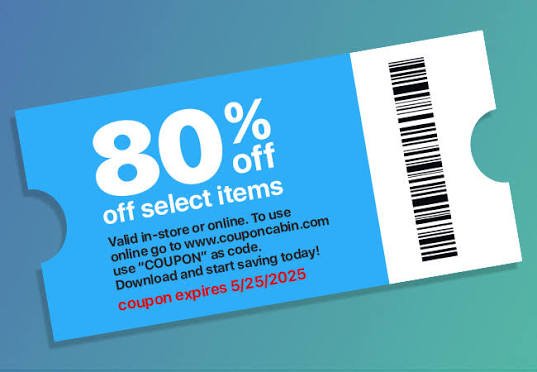

Online coupon codes can reduce the cost of shopping, food delivery, travel and subscriptions, but fake offers can also be used to steal money or personal information. Before using a coupon, shoppers should verify its source, website, terms, payment process and seller details.
Why Fake Coupon Codes Can Be Dangerous
An online coupon code may look like a simple string of letters and numbers, but the page promoting it can be more important than the code itself. Fraudsters can use fake discount advertisements to redirect users to phishing websites, collect personal information or convince them to make payments.
The Indian Cybercrime Coordination Centre’s National Cyber Crime Reporting Portal advises consumers to use familiar websites for online shopping and warns that search results can sometimes lead users to malicious websites. Its guidance also recommends avoiding untrusted links sent through email, SMS or social media.
This becomes particularly relevant during festive sales, when consumers actively search for discount codes, cashback offers and limited-period promotions.
A coupon offering an unusually large discount is not automatically fraudulent. However, shoppers should verify the offer independently before entering account, card or payment information.
Start With the Official Retailer or Brand
The simplest way to verify a coupon code is to check whether the retailer itself has published it.
Suppose you receive a message on WhatsApp claiming that a shopping website is offering an 80 percent discount. Instead of opening the link in the message, open the retailer’s official application or website separately.
Search for the same promotion there. Check the homepage, offers section, product page or checkout page to see whether the discount is listed.
The same approach applies to restaurant, travel, entertainment and subscription coupons. If a coupon is advertised as an official promotion but cannot be found anywhere on the company’s recognised platform, treat it cautiously.
The Indian Cyber Crime Reporting Portal specifically recommends using familiar websites for online shopping rather than relying on search results or unknown links.
Check the Coupon Website Address Carefully
A coupon may be genuine while the website promoting it is fake, or a fake coupon may be used to send shoppers to a malicious website.
Before clicking, inspect the complete web address. Look for unusual spellings, extra characters, unfamiliar domains or addresses that attempt to imitate a well-known company.
For example, a website might use a brand name in its domain while adding unrelated words or characters. The presence of a familiar company name in a URL does not by itself prove that the website is operated by that company.
Do not assume that a page is safe simply because it has a professional design or displays a familiar logo.
If a coupon link comes through an unexpected SMS, email, Instagram message or WhatsApp forward, independently visit the retailer’s official platform instead.
Read the Coupon Terms Before Using It
A genuine coupon can still be misleading if its conditions are overlooked.
Some codes apply only to new customers. Others require a minimum order value, specific payment method, selected products, particular cities or a limited validity period.
A discount may also have a maximum benefit. For example, a coupon advertising a percentage discount may apply only up to a fixed rupee amount.
Before placing an order, check:
- Minimum purchase requirement
- Maximum discount amount
- Expiry date
- Eligible products or services
- Eligible locations
- New-user or existing-user restrictions
- Payment method requirements
- Whether the offer can be combined with another discount
- Refund and cancellation conditions
These details help distinguish a legitimate but restricted coupon from an offer designed to mislead users.
Be Suspicious of Coupons Asking for Upfront Payments
A coupon normally reduces the price of a purchase. It should not require an unexplained payment merely to unlock the discount.
Be especially cautious if a person claims that you must pay a registration fee, security deposit, processing charge or verification fee before receiving a coupon.
Scammers may also use small payments to make an offer appear legitimate before asking for larger amounts.
The National Cybercrime Threat Analytics Unit has warned about online fraud schemes that use upfront payments and requests for personal or financial information as part of fraudulent operations.
If an unexpected coupon requires you to transfer money directly to a personal UPI ID, verify the offer through the company’s official customer-support channel before proceeding.
Never Share OTPs or UPI PINs for a Discount
A coupon does not justify sharing sensitive banking credentials.
Never provide your UPI PIN, card CVV, internet banking password or OTP to someone claiming to activate a discount.
The National Cyber Crime Reporting Portal identifies phishing as a method used to steal information such as card details and other credentials through communications that appear to come from legitimate sources.
Be particularly careful if a person claiming to be customer support asks you to install an application, share your screen or enter banking information while they remain on a call.
If you need help with an order, contact the company through the customer-support option inside its official application or website.
Check Suspicious Links and Identifiers
India’s National Cyber Crime Reporting Portal provides tools that allow users to report suspicious website URLs, phone numbers, email IDs, social media URLs and other identifiers.
The portal also provides a suspect repository where users can check certain identifiers that have been linked to complaints. However, the government notes that the database is based on complaints and is not complete, so a clean result should not be treated as proof that an identifier is safe.
This makes the tool useful as an additional check rather than the only verification method.
If a coupon page or seller looks suspicious, save the relevant details before closing the page. Screenshots, URLs and transaction information can be useful if a complaint needs to be filed.
Watch Out for Social Media Coupon Offers
Instagram, Facebook, WhatsApp and Telegram can make discount offers spread quickly. A post may appear to come from a popular brand or influencer while actually being controlled by an unrelated account.
Check the account carefully. Look at its username, verified status where applicable, posting history and whether the promotion also appears on the brand’s official channels.
Do not assume that an offer is genuine because several people have shared it.
The I4C has issued advisories about scams involving social media advertisements and fraudulent websites, showing why users should verify links and account identities before interacting with unfamiliar promotions.
What to Do If You Entered Details on a Fake Coupon Site
If you have entered sensitive information on a suspicious website, act quickly.
If financial information may have been exposed, contact your bank or payment provider through its official channel. If money has already been lost through cyber financial fraud, report it immediately by calling India’s 1930 cybercrime helpline and file a complaint through the National Cyber Crime Reporting Portal.
Keep screenshots of the coupon, website, messages, payment confirmation and other relevant information.
You can also use the I4C portal’s Report Suspect facility to submit suspicious website URLs, phone numbers, email IDs and social media accounts.
A Quick Coupon Verification Checklist
Before using an online coupon, take a minute to verify its source. Check whether the offer appears on the official website or app, inspect the URL, read the conditions and confirm the final price at checkout.
Avoid coupons that demand unusual payments, request sensitive banking information or redirect you through unfamiliar websites.
A genuine discount should make a purchase cheaper, not create pressure to reveal financial credentials or transfer money outside the normal payment process.
Key Takeaways
- Verify coupon codes through the retailer’s official website or app before using them.
- Check the URL, expiry date, minimum order value and other coupon conditions.
- Never share OTPs, UPI PINs, CVVs or banking passwords to activate a discount.
- Report cyber financial fraud immediately through 1930 and the National Cyber Crime Reporting Portal.
Frequently Asked Questions
How can I tell if a coupon code is genuine?
Check whether the same offer appears on the retailer’s official website or app. Verify the coupon’s terms, expiry date, eligible products and payment conditions. Be cautious if the code comes from an unfamiliar website or unsolicited message.
Are coupon websites safe to use?
Some coupon websites may be legitimate, but users should still verify the actual offer through the retailer or service provider. Avoid entering sensitive information on unfamiliar coupon websites simply to unlock a discount.
Can a coupon code steal my money?
The code itself normally does not steal money. The danger can come from a fraudulent website, phishing page, fake customer-support account or payment request associated with the coupon. Never share banking credentials or make unexplained payments to obtain a discount.
What should I do if I lose money through a fake coupon?
Contact your bank or payment provider immediately and report cyber financial fraud by calling 1930. You can also file a complaint through the National Cyber Crime Reporting Portal and preserve screenshots, payment details, URLs and messages as evidence.