
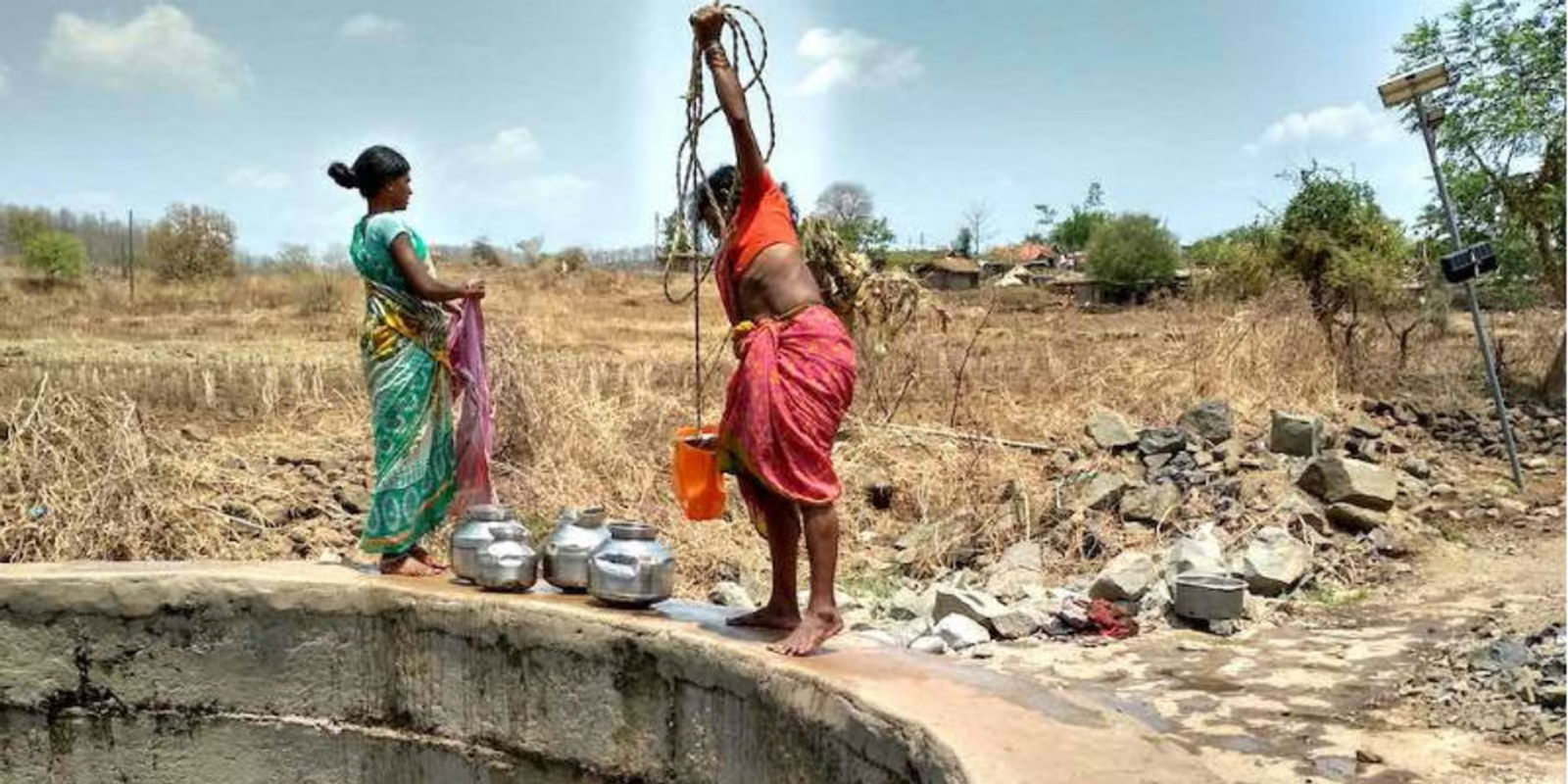

Vidarbha farmers are facing another difficult water crisis after a deficient 2026 monsoon left the region with significantly less rainfall than normal. The shortage is now affecting cotton cultivation, soil moisture, livestock, farm incomes and preparations for the upcoming rabi season.
Vidarbha’s Rainfall Deficit Has Deepened Farm Stress
The current Vidarbha water crisis is closely linked to a sharp rainfall deficit during the 2026 monsoon. By September 30, Vidarbha had received around 687.3 mm of rainfall against a normal 937.3 mm, representing a deficit of about 27%, according to reporting based on rainfall data and IMD inputs.
The shortage has not affected every district equally. Western Vidarbha has been particularly vulnerable, with Amravati, Akola and Washim reporting rainfall deficits of about 43%, 41% and 37%, respectively, according to Times of India.
Nagpur has also recorded a substantial shortfall. The district received about 621 mm against its normal 938.5 mm, with the 2026 monsoon rainfall reported as the second-lowest since 2015.
For farmers, the problem is not simply the amount of rain received. The timing and distribution of rainfall matter just as much. Long dry spells during the crop season can damage crops even when rainfall occurs later.
Yavatmal Farmers Are Already Counting Crop Losses
The situation is particularly serious in Yavatmal, one of Vidarbha’s major cotton-producing districts.
A ground report from Kalamb in Yavatmal published on October 6 described fields where cotton production has been severely affected by prolonged dry conditions. All 16 talukas of Yavatmal have been placed under the Trigger-1 drought category, with drought-related concessions applicable to the affected areas.
The difference from a normal season is substantial. Farmers interviewed by The Indian Express reported that fields which could produce around 25 to 50 quintals of cotton under normal conditions were expected to yield only around five to eight quintals in some cases. Some farmers estimated production at just 10% to 25% of normal levels.
Cotton is especially important to Vidarbha’s rural economy. A weak cotton harvest therefore affects more than individual farms. Lower production can reduce household income, limit spending during the festive period and make it harder for farmers to finance the next crop.
Why Low Rainfall Is Creating a Wider Water Problem
The immediate concern for farmers is crop damage, but the water shortage extends beyond standing crops.
When rainfall remains below normal, soil moisture declines and smaller water bodies, farm ponds, wells and other local sources may not receive enough recharge. This can become particularly difficult after the monsoon when farmers begin planning the rabi season.
The Maharashtra government has already acknowledged the wider water shortage by declaring drought in 265 of the state’s 358 talukas across 34 districts. Vidarbha accounts for 95 of those affected talukas, the highest regional total in the state. The affected Vidarbha areas include parts of Buldhana, Amravati, Akola, Washim, Yavatmal, Wardha, Nagpur, Bhandara, Gondia, Chandrapur and Gadchiroli.
The drought declaration was based on indicators under Maharashtra’s drought assessment framework, including prolonged dry spells and rainfall deficits.
This means the crisis is no longer being treated only as a local farm problem. It has become part of a broader state-level water management challenge.
Cotton Is Not the Only Sector Under Pressure
The impact of water scarcity is also reaching livestock and dairy farming.
A recent Times of India report from Washim described severe shortages of fodder and water affecting dairy farmers. Some farmers are considering selling livestock because maintaining animals has become increasingly difficult as fodder reserves decline.
This creates a second financial pressure for rural households. A farmer may lose income from crops while simultaneously facing higher costs for livestock feed and water.
Livestock can act as an important source of income for small farming families. When fodder becomes scarce, however, maintaining cattle and buffaloes becomes more expensive. Selling animals during a drought can also mean losing an important productive asset.
The problem can therefore move through the rural economy in stages: weak rainfall reduces crop production, lower farm income limits purchasing power, fodder shortages increase livestock costs and household financial pressure rises.
Maharashtra Has Prioritised Drinking Water Over Irrigation
The state government’s recent water planning shows how serious the situation has become.
On October 5, Maharashtra ordered urban local bodies to implement a minimum 10% water cut from October 16 because of reduced rainfall and limited water availability. The government has also directed authorities to prepare water plans through August 31, 2027.
For agriculture, the government has said irrigation water will be allocated only after drinking water, livestock and fodder requirements are met. Priority will be given to rabi foodgrain and fodder crops before other rabi crops.
This prioritisation matters for Vidarbha farmers because the end of the monsoon does not mean the end of agricultural water demand.
Farmers planning a rabi crop need sufficient moisture and irrigation availability. If reservoirs, wells and local water sources remain under pressure, decisions about rabi sowing could become more difficult.
El Niño Has Added to the Weather Concerns
The rainfall deficit has also been linked to El Niño conditions.
According to Times of India reporting based on IMD information, weak El Niño conditions developed during June and strengthened during the southwest monsoon season. By the end of the season, strong El Niño conditions were reported.
It is important, however, not to treat El Niño as the only explanation for every local rainfall variation. Weather patterns are influenced by several factors, and rainfall can differ significantly between districts within the same region.
What matters for farmers now is the observed outcome: rainfall was substantially below normal across Vidarbha, the monsoon withdrawal has begun and water availability is becoming a more immediate concern.
That combination leaves limited room for recovery from crop losses already suffered during the kharif season.
What Happens Next for Vidarbha Farmers?
The next major concern is whether farmers will receive adequate support and whether available water can be managed through the coming dry months.
Maharashtra’s drought package includes measures such as land revenue concessions, crop-loan restructuring, deferment of agricultural loan recovery and concessions on electricity bills for agricultural pumps. The government has also directed officials to conduct crop assessments using photographs and GPS coordinates.
However, the drought declaration itself did not immediately announce crop-loss compensation. The government said assistance for damaged kharif crops would be decided separately after the prescribed assessment process.
For farmers in districts such as Yavatmal, Amravati, Akola and Washim, the effectiveness of these measures will depend heavily on implementation and the speed at which eligible assistance reaches affected households.
The bigger challenge is longer term. Repeated rainfall uncertainty makes dependence on the monsoon increasingly risky. Better water storage, groundwater recharge, efficient irrigation and crop planning suited to local water availability will remain important for Vidarbha’s agricultural future.
Takeaways
- Vidarbha received about 27% less monsoon rainfall than normal by September 30, 2026.
- Yavatmal farmers are reporting major losses in cotton production because of prolonged dry conditions.
- Water shortages are also affecting fodder availability and livestock-based rural incomes.
- Maharashtra has prioritised drinking water, livestock and fodder needs before irrigation as authorities plan for the coming dry period.
FAQ
Why is Vidarbha facing a water crisis in 2026?
Vidarbha is facing water stress mainly because the 2026 monsoon delivered substantially less rainfall than normal. By September 30, the region had recorded about a 27% rainfall deficit, while some western Vidarbha districts reported even larger shortfalls.
Which Vidarbha districts are badly affected?
The rainfall deficit has been particularly severe in western Vidarbha. Amravati, Akola and Washim were reported to have deficits of around 43%, 41% and 37%, respectively. Yavatmal has also reported severe drought conditions affecting all 16 of its talukas.
How is the water crisis affecting cotton farmers?
Low and uneven rainfall has reduced soil moisture and affected cotton development. Ground reporting from Yavatmal indicates that some farmers expect yields to be significantly below normal levels, increasing the risk of income losses for farming households.
Will irrigation water be available for rabi crops?
The Maharashtra government has said irrigation will be considered after drinking water, livestock and fodder requirements are met. Priority has been given to rabi foodgrain and fodder crops before other rabi crops. Actual availability will depend on local water resources and government water allocation decisions.